Go Sit Somewhere Else
We're housesitting again, this time in the UK
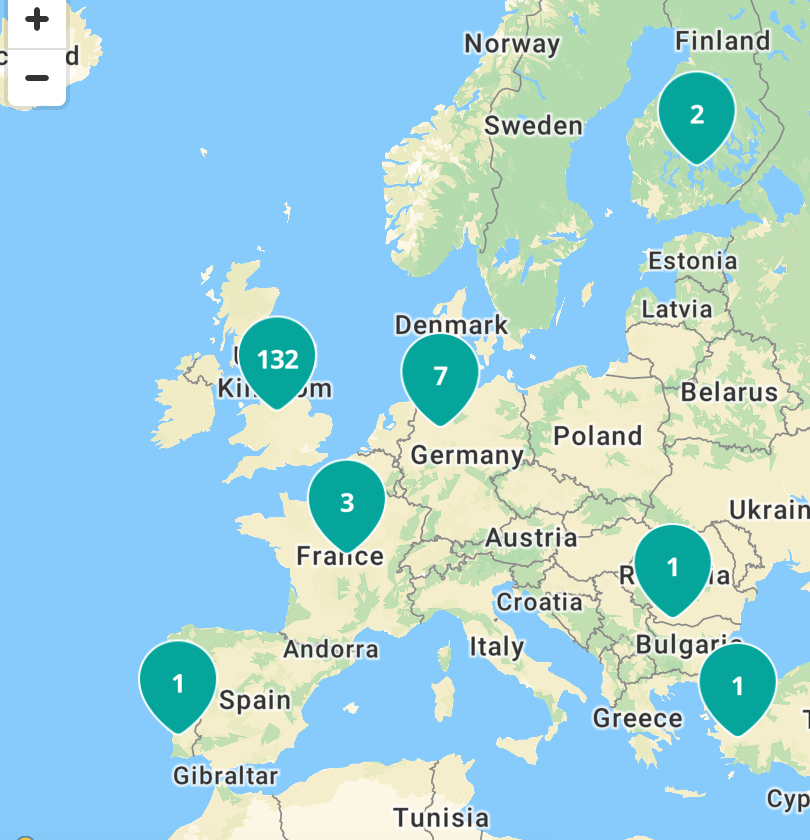
We didn’t start house-sitting because it sounded charming—we started because we needed a place to stay. No rent, no lease, no long-term commitment. Not a bad idea when we weren’t sure if we even wanted to remain in the country
TL;DR:
We started house-sitting in 2022 as a way to live rent-free while figuring out where to settle. It becomes a way to test-drive lives and locations, to learn what we want (and don’t), and get to know places more intimately. It’s not always easy, but it’s one of the most interesting ways we’ve found to learn how people live—and to imagine how we might want to live as well.
Why We Started House-Sitting (And Why We Still Do It)
Just take care of someone’s pets and home while they’re away. That was the trade.
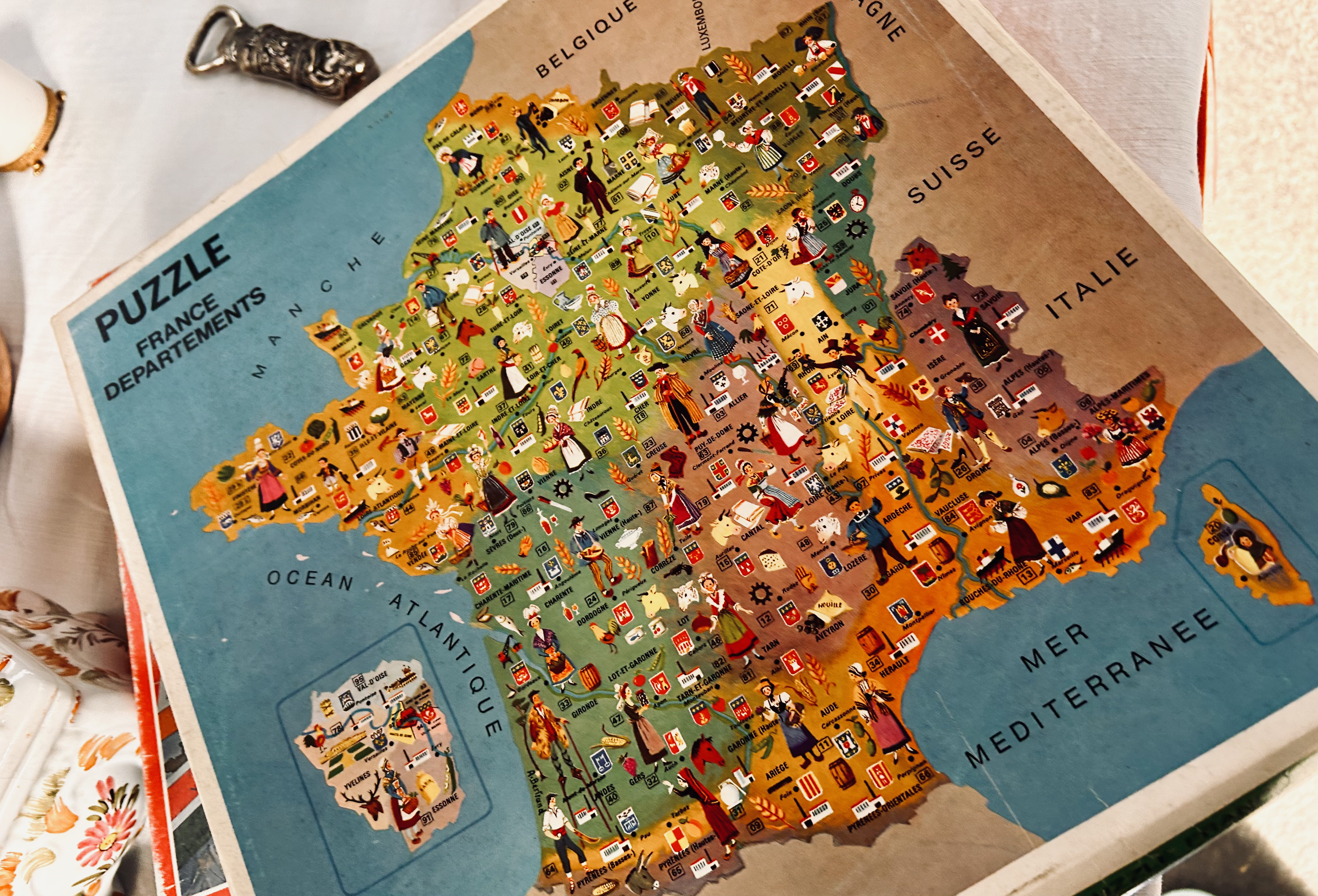
At the time, it made sense: we were between lives. Not ready to settle. France is big, and the options were overwhelming.
House-sitting gave us a way to slow down and explore without locking ourselves into a life we weren’t sure we wanted yet.
Real estate agents, meanwhile, kept offering 3-year leases on places we weren’t sure we wanted.
They’re often solving their own problems—or trying to push what most people want. Which means you end up in a bland box, fast. With all due respect to the profession, I fucking hate dealing with real estate agents.
living inside another life
Staying in someone else’s home can be like having a quiet conversation with them—about how they live, and maybe why. You learn from their choices. Their grocery lists. Their dog’s leash spot.
You start noticing how villages wake up, what kind of dog suits what kind of street, and how little you really need to feel settled.
I organize our fridge better after a few sits with some people.
It’s not a travel hack anymore. It’s a rhythm. A way of trying on other people’s lives—one kitchen, one routine, one town at a time. Sometimes it feels like borrowing or even low-stakes anthropology, but always a little like eavesdropping.
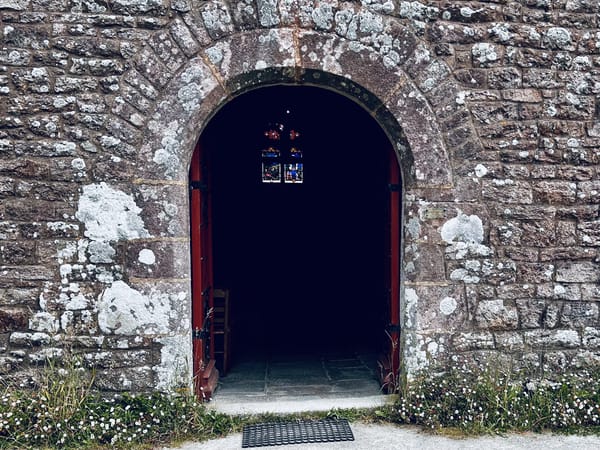
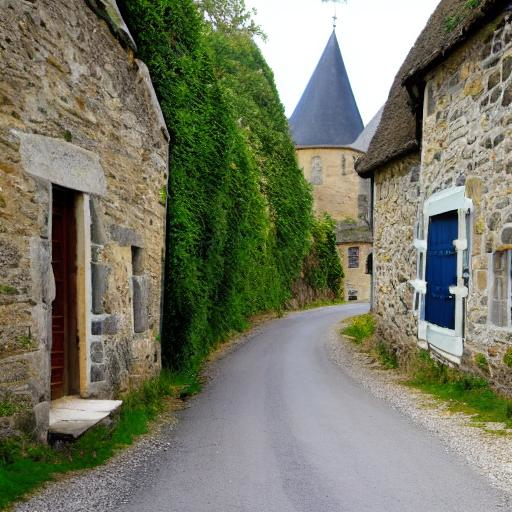
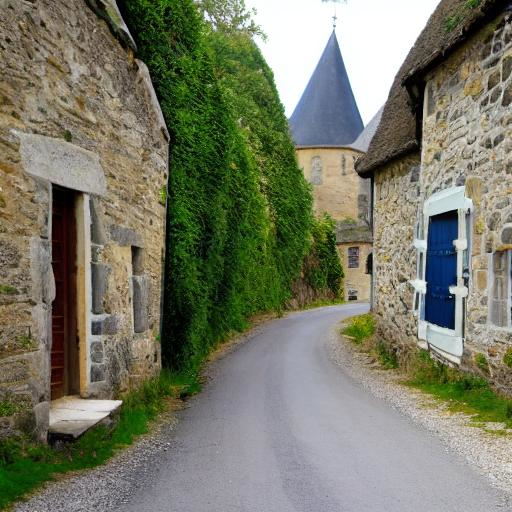
It’s not glamorous, but it’s intimate. You learn which towns hum in winter, which ones don’t. Bretagne is wonderful, but so quiet in the depth of winter. Street lights off, window shutters down, no signs of life at night.
You read between the lines of handover notes. Advance apologies about “a bit of clutter” and you might be in a hoarding situation. If people say it’s “a little quiet,” especially in France - you will be isolated.
You see how people actually live—and you figure out what kind of life you might want too.
This Isn’t for Everyone
We’ve stayed in places with chickens, wood stoves, and no cell signal. Every place has its own specific stuff to deal with, but we also have a home base for the moment, which makes a real difference.
Now these house sits are a kind of slow, temporary immersion. We have done sits for the same people a few times, we know some of the pets very well, some of the folks we’ve stayed with have become friends.
You’re responsible—for the pets, the house, the garden. It’s not passive travel. But it’s a great way to live somewhere, briefly. To test it out. Make coffee in someone else’s kitchen. Find the good bread. Return to some familiar places.
Some places you can tell were better choices for the people when they were younger, but now services are too far. Maybe the local cafe closed, it’s hours to the airport and the ideas they had about family visits never quite happened.
Seeing that a few times, I can say that it’s better to make your own choices about where you want to live for your own reasons, not whether or not anyone will come to visit.
Test-Driving a Life
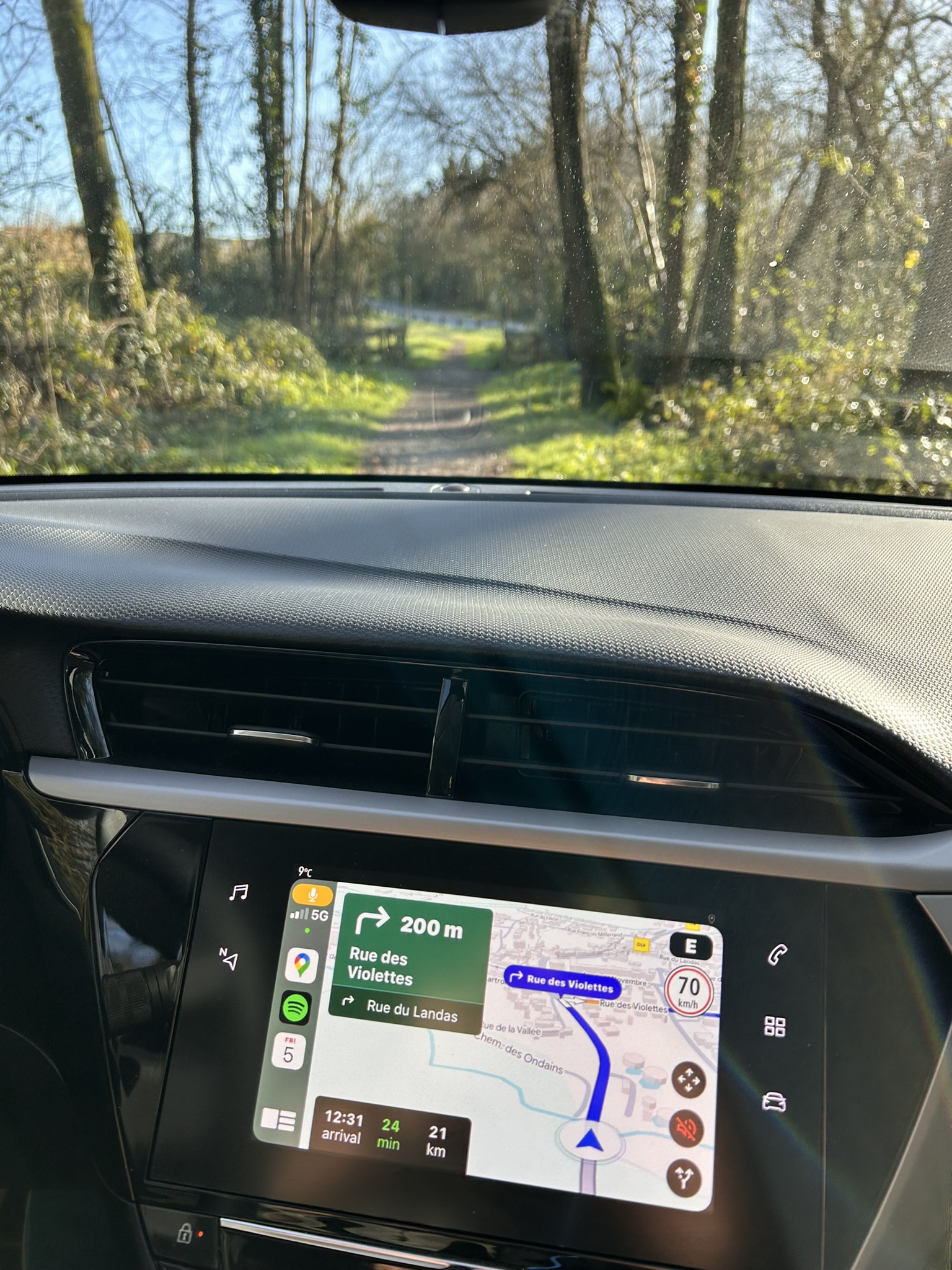
I wrote about this back in 2023—after a run of house sits across rural France, a few intense interviews in London, and one forgettable month alone with chickens in the Dordogne. At the time, house-sitting was our bridge: a way to explore France and figure out what kind of life we wanted to build.
Or even to figure out what kinds of lives were available, really.
I cover some of the practical stuff in another post (linked below), but traveling like this teaches you things you’ll never learn from a hotel, Airbnb, or even a long-term rental. You start to notice stuff that would matter a lot if you lived there. Whether a town has a bakery open year-round. How the heating works. Whether you can get a phone signal.
Some towns we adored for a week but wouldn’t stay longer. Some grew on us slowly. And some were just nice enough to borrow for a bit & then we were happy to head home.
By the end of that long stretch—England, Brooklyn, Brittany, Dordogne—we were cooked. Always packing, always adjusting to someone else’s routines. Even the beautiful places started to blur.
But we learned. What kinds of locations work for us. How to read between the lines of a listing (there’s always something they forget to mention). How to arrive in a stranger’s home and make it feel livable, if only for a while.
We also saw the lives we weren’t trying to build.
France has so many stories of people stuck in their “dream” homes—places they bought on vacation but can rarely visit, or rural spots that are lovely in summer and isolating the rest of the year. Coastal towns that shutter in winter. Stone houses with no insulation and endless renovations.
All over rural France, houses sit empty for months. Small wonder squatting is such a concern.
We were testing a life, but some of the people we met were quietly trying to escape one.
It’s Only Temporary
House-sitting isn’t for everyone.
There’s a bit of work —animals to care for, plants to water, homes to treat with respect. But it can be really pleasant. There’s something satisfying about getting familiar with a place that isn’t yours. Slipping into the rhythm of a town you even hadn’t heard of few months ago.
And maybe this is just the suburban kid in me, but I still get a kick out of test-driving other people’s lawnmowers and major appliances.
It’s a cool thing to be able to absorb the details of a home slowly, in the way that the owners themselves might have wanted, to be able to figure out what worked for them - and what might work for us.
We try to be good guests. We leave detailed notes, send reasonable updates, and treat the pets like they’re ours. If something breaks, we stay calm—fix it if we can, let them know either way. That goes a long way.
The beauty of it is: it’s not forever. You don’t have to commit to a whole life, a mortgage, any one location. You get to try them on.
Figure out someone else’s coffee machine. Find the good local bread. See if the quiet suits you, or if it wears thin after a few days.
Some towns we grew to love. Some we couldn’t wait to leave. And some were perfectly fine for a while—nice to borrow, but not a place we’d stay.
We’ve learned a lot from these stays—not just about towns or houses, but about what actually matters to us.
More on House-Sitting
I’ve written about this before, but I don’t think I’ve ever really broken down the how of house-sitting: what to ask, what to look for, how to avoid getting stuck with something that sounded better than it is.
For starters: don’t talk yourself into a stay if your gut says no.
A friend once told me he couldn’t imagine taking care of someone else’s pets. It kind of freaked him out.
That makes sense. But if you’re the type who likes slipping into someone else’s daily rhythm—even just temporarily—this can be an incredible way to get to know a place.
We’ve done this enough now to have a system. A guide, really. We ask the same key questions. We check for backup contacts, seasonal quirks, the stuff no one puts in the listing.
Now we always ask: How far’s the nearest open shop, really? Who’s the backup if we’re sick? And: what’s something they forgot to mention last time?
We've had at least 20 interviews by now and gotten better at making the owners feel confident, too.
I should probably publish that guide.
Because over time, I’ve learned more about how homes are set up in France, how neighborhoods work, how different this kind of travel is from hotels or Airbnbs.
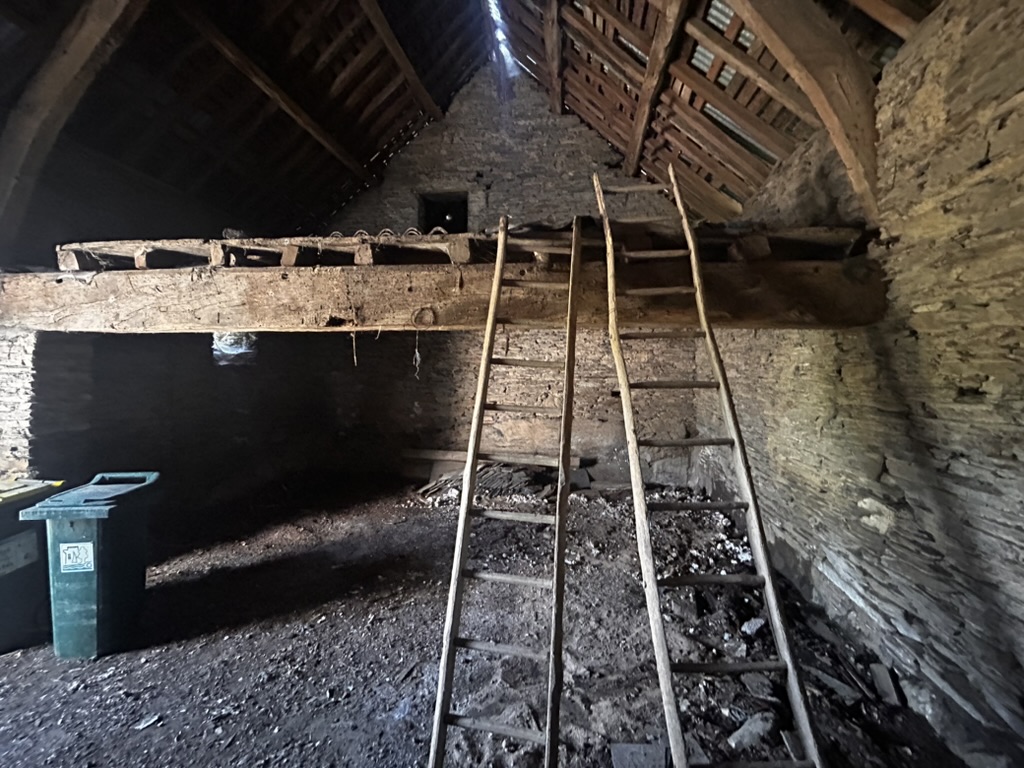
You’re not just choosing a place to visit—you’re living inside someone else’s choices. The tiles they picked. The way the dishwasher loads. decorations, organization, spice racks.
You don’t have to think about it that way—but for us, that’s part of the point. To learn what works.
And if we’re lucky, to revisit the places we’ve loved—just long enough to feel like we live there and to get a sense of whether or not we’d want to live there ourselves .
You’re still dealing with people
What we’ve found—over and over—is that house-sitting is mostly about communication.
It’s not the pets, though they do take some handling (slow and steady usually works best). It’s the people. The owners. Their expectations. Their routines. Their assumptions.
Some want daily photo updates. Some disappear entirely. Nobody will complain about nice pictures of their pets.
Some say their dog’s easy, and then hand you a leash attached to four legs of pure chaos when they’re not around.
What works & doesn’t work
The best sits were the ones where everyone was clear from the start. Expectations realistic, instructions written down, and everyone felt clear about what was going on.
Now, as we’re sitting somewhere new again, we’re still learning, but we have a much clearer sense of what works for us:
Close suburbs over deep countryside.
Clear communication over charming views.
A dog who doesn’t need a thunder-closet.
And people who can have a normal conversation without acting like they’re hiring staff. That’s a major turnoff. I’ve walked away from one or two sits just because the first chat felt weirdly transactional, like they were interviewing a nanny they didn’t trust. No thanks.
It could use an update, but Trusted Housesitters has a decent guide for housesits aboard.
If You’re Curious
If you’re wondering whether house-sitting could work for you—or if you’ve done it and had a totally different experience—I’d love to hear. It’s a little weird, but we like it.
 Keith Christiansen
 Keith Christiansen