Simplified Bouillabaisse for Cooks in a Rush
Affordable Ingredients, Authentic Flavors, and a Rich Broth
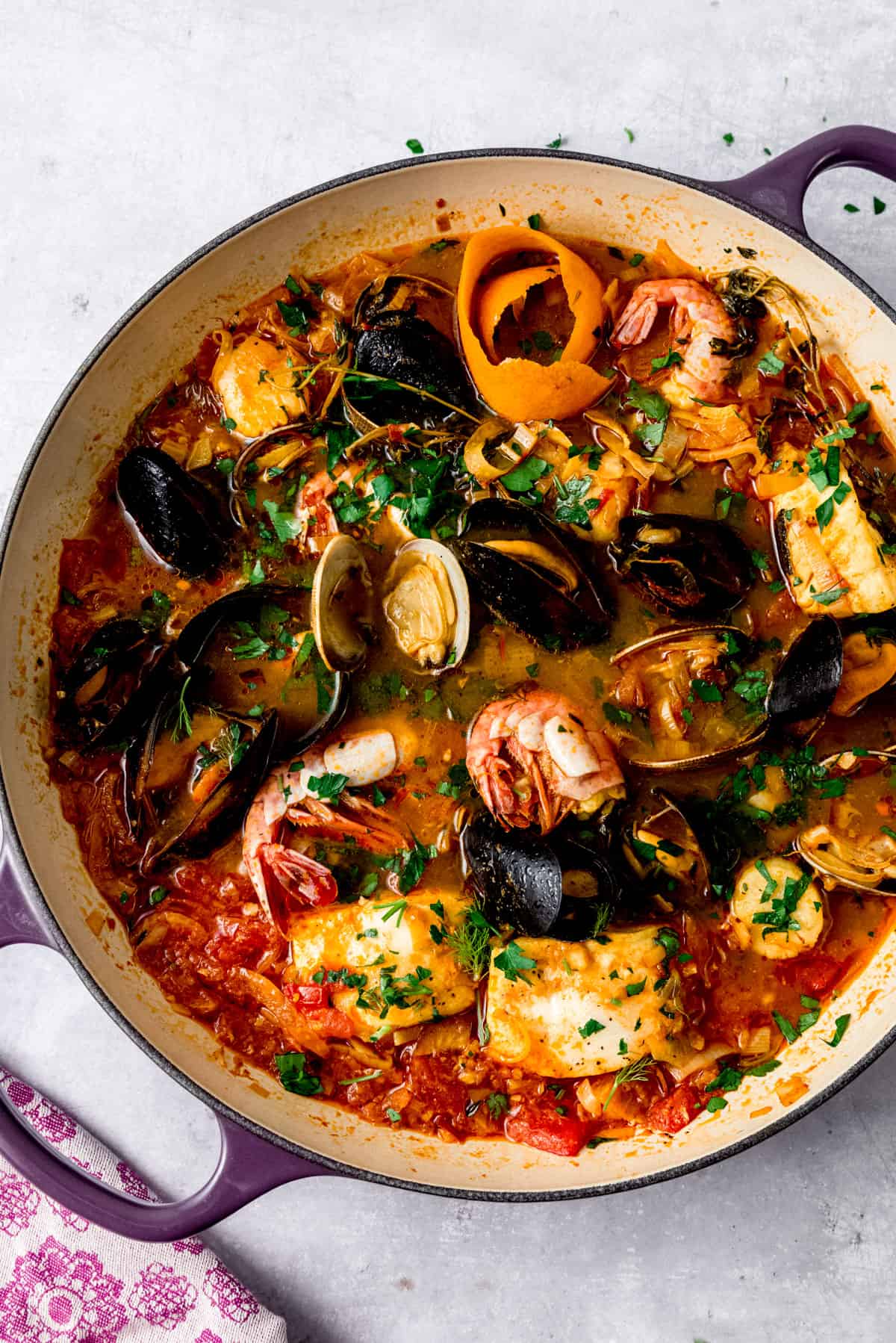
The humble origins of bouillabaisse stand in sharp contrast to the high prices it commands in some restaurants. What began as a simple meal for Marseille’s fishermen has evolved into a celebrated French classic, steeped in tradition but still adaptable to modern tastes.
With its rich, savory broth and blend of seafood, bouillabaisse is a testament to the power of simplicity, where the right ingredients, treated with care, transform cheap ingredients into something greater. My approach stays true to this spirit while offering a practical, affordable and low-cost version.
This is the kind of food I had fallen in love with: not trendy, souped-up fantasies, just something very good to eat... Or, in the words of the famous gastronome Curnonsky, “Food that tastes of what it is.”
Julia Child, from My Life in France
A Practical and Affordable Stew
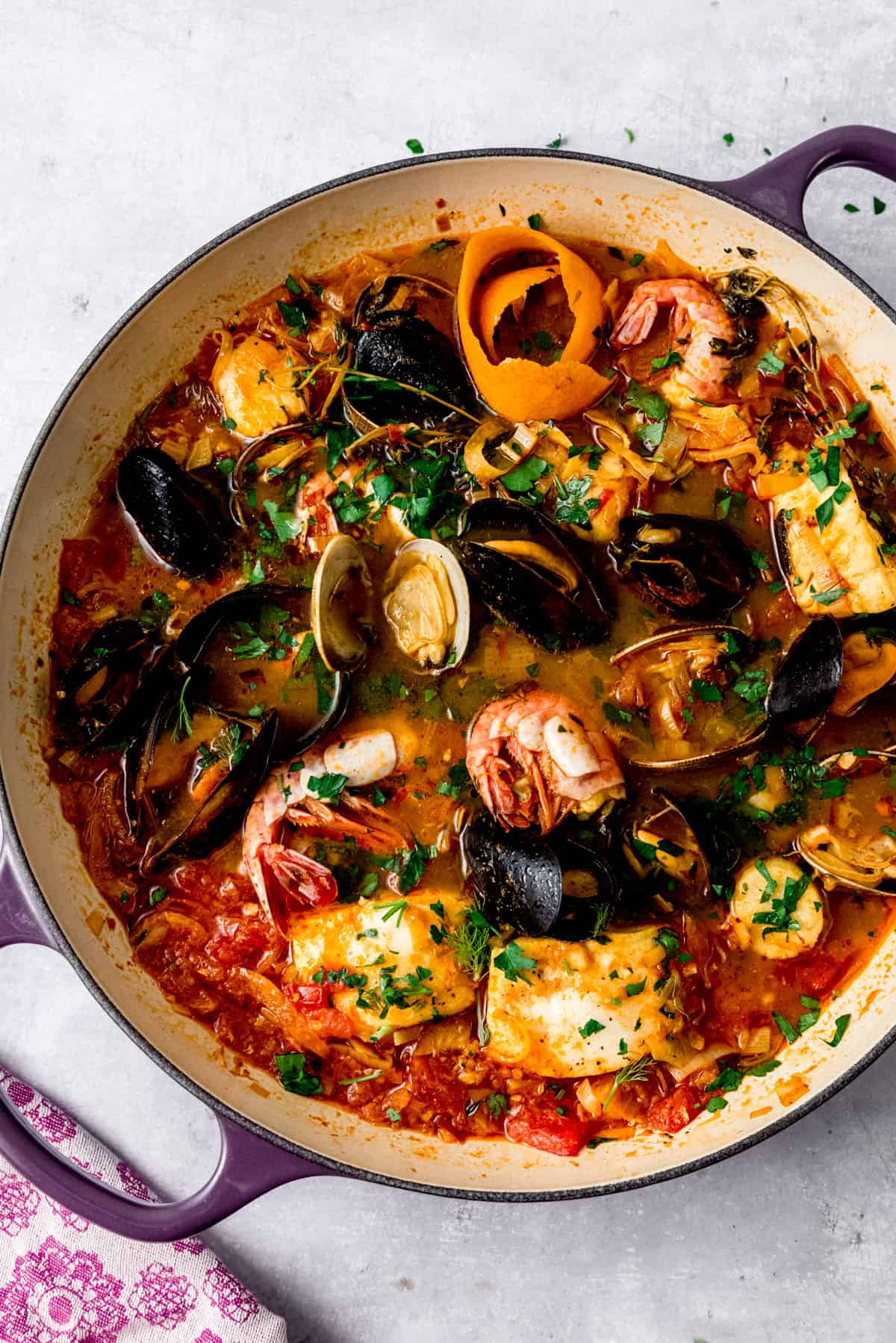
Bouillabaisse is a traditional fish stew originating from around Marseille in Provence. It started as a humble dish prepared by fishermen using whatever fish they couldn't sell to markets or restaurants.
Over time, bouillabaisse evolved into a celebrated Provençal dish, enjoyed with a variety of choice seafood and seasoned with local herbs and spices. A dish of the working poor that was elevated to elite dining status.
The name comes from the Provençal dialect: “bouillir” (to boil) and “abaisser” (to reduce heat), reflecting the traditional method of quickly boiling the ingredients, then simmering them slowly.
The name for the technique reminds me how to make it.
The soup and its history closely parallels cioppino, a very similar dish from northern Italy, which uses a tomato base rather than the fish-based stock. Despite its growing popularity, both cioppino and bouillabaisse remain, at the core, rustic and simple dishes.
Musical accompaniment
La bouillabaisse Fernandel (1950)
La Bouillabaisse by Fernandel turns the famous Provençal fish stew into a musical recipe, laying out its steps with exaggerated precision. He warns about rising early, choosing the right fish, and letting it simmer long, while slipping in the ritual of sipping pastis as you cook.
The Foundation of Bouillabaisse
The key to a good bouillabaisse is in the broth, and this simplified recipe offers a rich base using everyday ingredients with optional upgrades for those seeking deeper flavor. By focusing on maintaining the broth's quality, this version stays true to the tradition while fitting into a modern, busy lifestyle.
Inspired by Julia Child’s adaptation for American cooks of the 1960s—when many French ingredients weren’t easily accessible—my version is quicker and more affordable, perhaps bringing its own authenticity.
Julia’s method involves simmering a broth made from seafood shells and trimmings, this shortcut skips that step, perfect for those in smaller spaces or on tighter schedules. If you have the time, you can always follow her approach, but in this case, simplicity wins out.
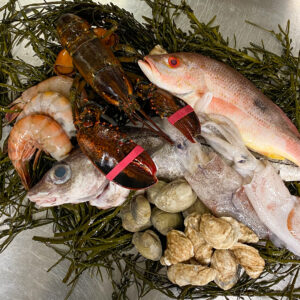
Affordable and Simplified Bouillabaisse Recipe
Serves 6
Preparation Time: 30 minutes
Cooking Time: 1 hour
Ingredients:
- 1lb firm white fish (like cod or tilapia)
- 1lb mussels or clams, cleaned
- ½ lb shrimp, peeled and deveined
- 2 onions, chopped
- 1 leek, chopped (optional)
- 4 garlic cloves, minced
- 4 tomatoes, chopped (or 1 can diced tomatoes – 14-16oz)
- 1 fennel bulb, sliced thin (optional)
- 4 medium potatoes, peeled and diced (optional)
- ½ teaspoon saffron threads (optional)
- 1 teaspoon dried thyme
- 1 teaspoon dried basil
- 2 bay leaves
- ½ cup olive oil
- 8 cups water or fish stock
- Salt and pepper to taste
- Crusty bread or baguette slices, toasted
For the Rouille (Optional):
- 1 roasted red bell pepper (jarred is fine)
- 1 garlic clove
- ¼ cup breadcrumbs or ground almonds
- 1 tablespoon lemon juice
- ⅓ cup olive oil
- Pinch of cayenne pepper (optional)
- Salt to taste
Instructions:
- Chop the onions, leek, garlic, tomatoes, and fennel (if using). Clean the seafood.
- In a large pot, heat olive oil over medium heat. Add onions, leek, garlic, fennel (optional), and potatoes (optional). Cook until the onions soften, about 10 minutes.
- Build the Broth: Stir in the tomatoes, thyme, basil, bay leaves, and saffron (optional). Cook for another 5 minutes, then add water or fish stock. Bring to a boil, then reduce to a simmer for 20 minutes.
The broth is really the foundation, even in this version.
- Add the white fish chunks and cook for 5 minutes. Then, add the mussels or clams and shrimp. Simmer until the mussels open and the shrimp are cooked, 5-7 minutes.
- Make the Rouille (Optional):
Blend roasted red pepper, garlic, breadcrumbs (or almonds), lemon juice, and cayenne. Slowly add olive oil while blending to form a smooth paste. - Serve:
Ladle the bouillabaisse into bowls, and serve with crusty bread and rouille.
Money-Saving Tips:
- Use affordable fish like cod or tilapia. Lightly flavored fish that won’t overwhelm the broth.
- Use frozen shrimp or mussels.
- Skip saffron – most people don’t notice it, honestly.
- Use water instead of fish stock.
The soup is all keeping the broth until the end. You can do that best by just leaving it alone, but here’s a few other tips:
- Start with cold water.
- Simmer gently, don’t boil.
- Skim off foam regularly.
- Strain the broth through a fine sieve. Before adding fish.
- Avoid over-stirring.
- Clean seafood well.
Related Posts
 Keith Christiansen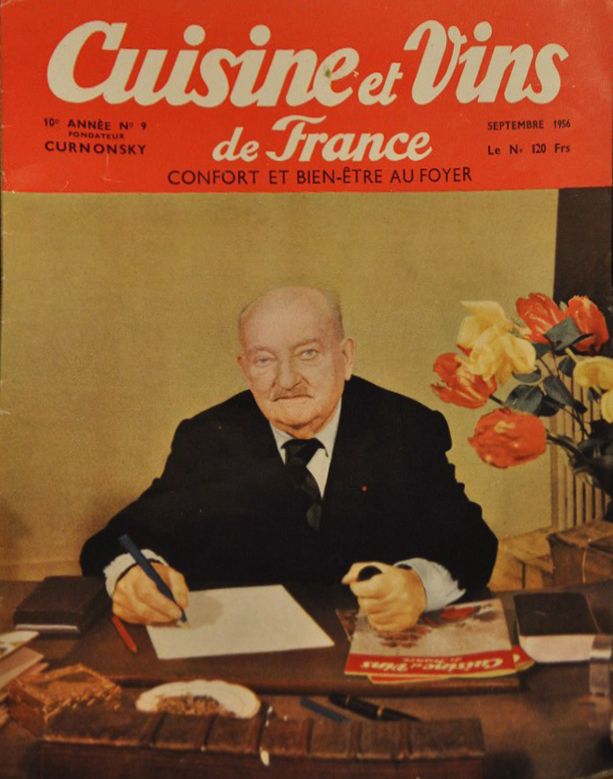
 Keith Christiansen