Sheila’s Disco Transformation: From Yé-Yé Sweetheart to Cosmic Diva
How a French Pop Star Rode the Disco Wave and Helped Keep It Alive in Europe

Sheila was once the wholesome darling of France’s 1960s yé-yé scene, shocked and dazzled audiences with her dramatic shift to disco in the late 1970s. Known for bubblegum hits like L’École est finie (“school is over”) and Vous les copains (a French remake of Doo-wah Diddy), she reinvented herself in the 1970s with a glitzy new look, bold (if a bit repetitive) choreography, and infectious disco beats.
Sheila then continued to reinvent herself through various genres right up until today. Her collaboration with Nile Rodgers and Bernard Edwards on Spacer made the song an essential hit, keeping disco alive in Europe during its backlash in the U.S.
TL;DR:
French pop icon Sheila started as a 1960s yé-yé girl-next-door-sweetheart before transforming into a full-blown disco diva in the late '70s. Her biggest hit, Spacer (1979), produced by Nile Rodgers and Bernard Edwards of Chic, helped keep disco alive in Europe even as the U.S. turned against it.
From bubblegum pop to space-age hot pants, Sheila reinvented herself over decades, carving out a legacy that mirrored—and resisted—the rise and fall of disco, with slightly stiffer choreography.
Spacer remains Sheila’s biggest hit and the video is pure camp. I love everything about it, but be warned: I have had this song in my head for weeks on end.
It’s catchy as hell.
Spacer Sheila (1979)
“He’s a spacer, a star chaser, a trailblazer…” That is 100% a song written just because words can rhyme.
Nile Rodgers and Bernard Edwards of Chic helped turn Sheila and Spacer into a hit for decades with a groove-driven style, blending American funk basslines with futuristic disco sounds. Rodgers’ influence went beyond production – Sheila reinvented herself to make the biggest hit of her career, one which spanned nearly 60 years, 26 studio albums, 7 live albums, 17 compilations, and 97 singles, but Spacer remains her biggest hit.
It’s been brought back through samples, like Alcazar’s "Crying at the Discotheque" (a great video), keeping it alive well past the disco era.
Disco is Dead; Long Live Disco
Sheila, born Annie Chancel, evolved from a yé-yé bubblegum pop star of 1960s France into a disco diva of the late 1970s. It was a dramatic shift, not just in her music, but in her whole style and persona.
Before the song became a hit, her producers released it secretly as “SB Devotion.” When it charted in 3 countries, her promoters put her name all over it.
![[Pochette de Sheila (SHEILA)]](https://now-we-live-here.ghost.io/content/images/2025/09/a46d6f58-8580-451f-96cb-d33de2bf2ec4_429x430-jpeg.jpg)
The Bubblegum Era: a Clean-Cut Pop Princess
Sheila’s early hits, like "L'École est finie" (1963) and "Vous les copains" (the French cover of "Do Wah Diddy Diddy"), positioned her as the girl-next-door.
Sheila’s 1960s look was made to seem wholesome, charming, and approachable. Modest outfits - turtlenecks and A-line skirts - clean-cut schoolgirl was kind of her whole image.
She had already sold over 50 million records before . In this era, one standout is the duet "Devant le Juke Box" with Akim, whose brief career may have peaked with this song. It’s sweet, unassuming, and remains a personal favorite.
Disco Reinvention: Sheila and B. Devotion
For all her previous success, things became quieter for Sheila in the 1970s. After producing an album every year the decade before, the 70s saw fewer new albums and more compilations of old material.
Meanwhile, Disco fever was sweeping the globe, and Sheila embraced the trend. Gone was the girl-next-door look, replaced by hot pants, sequins, and high-energy choreography: Sheila and B. Devotion.
Gone was the girl-next-door look: Disco Sheila showed with hot pants, sequins, with high-energy choreography. "Love Me Baby" (1977) was her first disco hit.
Her second hit on the same album was a disco version of “Singing in the Rain,” which typified the “we can make anything a disco song” mood of the era.
Her robot dance in the video (check it out at 4:10) was… well, she did that thing. Disco was everywhere, a lot of folks were doing the robot. I might be able to dedicate at least one post to bad robot dancing in France alone, but you could just spend that time watching Michael Jackson instead.
Sheila didn’t bring disco to France, but she was one of the first French pop stars to crossover. She might be best compared to Cher, with a decades-long career over a wide range of musical styles and reinventions, whether or not she was universally loved for it.
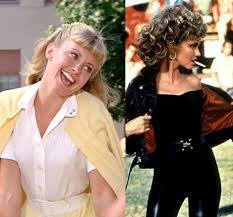
The Death and Rebirth of Disco
Disco has a reputation of being light, frivolous, or just dance-oriented fluff. The “Disco Sucks” homophobic and racist backlash, led to radio stations dropping disco almost overnight it seemed. Record companies abandoned it, and nightclubs switched to rock and new wave, more or less erasing disco from mainstream U.S. culture.
The Disco Demolition (mentioned in my piece about Jacques Morali) happened in July 1979 and by early 1980, U.S. stations had reduced or dropped disco. It was fast: disco disappeared from mainstream radio in the US within a year.
Beneath tainted memories of the genre remains some of the most meticulously crafted music in pop history, combing funk, soul, jazz, with classical orchestration, layering live strings, horns, and rhythm sections with complex arrangements and precise production.
When Disco was declared “dead” in the US, skilled artists could not perform in the genre and some artists evened to other styles, while some continued their work - often in France.
They will survive, hey hey…
In Europe, the disdain for disco never took root in the same way. European audiences embraced the genre's sophistication, danceability, and fusion of styles. In a way, "Spacer" reflected this shift. Collaborating with a French pop star seeking reinvention, Rodgers and Edwards helped ensure disco’s survival and Sheila’s evolution.
Rodgers, an essential creator of the genre, was one of many artists who crossed over into France, kept Disco’s sound relevant, futuristic, and global, with Europe as its new center.
And of course, they played together this year. The audio isn’t good, but it’s fun to see the pair of them and to hear the crowd’s enthusiasm still.
Rodgers gives a bit of a speech at the beginning and the end about his work with French artists and the importance of Sheila’s impact. It’s worth listening to as he briefly explains just how important this song was to music at the time.
K
More posts related to this
 Keith Christiansen
 Keith Christiansen
 Keith Christiansen