Sex, Synths, and Soundtracks: The Strange, Groovy World of "Films Osés"
How Low-Budget Erotic Films Created Some of the Most Interesting Music of the 70s
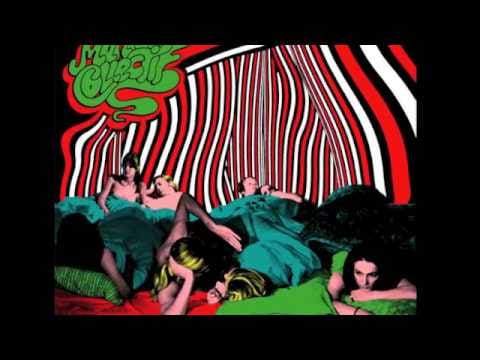
What connects Barry White, Moog maestro Mort Garson, and a forgotten French soundtrack? It turns out there were more artists working in adult-entertainment music than you'd expect. Keep reading.
French Erotic Music?
You might think that’s a niche topic. Stick with me. This is about French films osés—soft erotic cinema from back in the day—and the incredible music that came with them.
Sexopolis - Jean-Pierre Mirouze (1971)
Originally composed for an obscure 1971 French film Le Mariage Collectif (filmed in Sweden, where laws were more open), Jean-Pierre Mirouze’s "Sexopolis" has a psychedelic groove with deep funk rhythms, and rich orchestration for what is likely a small ensemble. It’s like the whole track was create just to let keyboardist Jean-Pierre Sabar cut loose on a Hammond.
The movie, which attempted to justify open relationships and sexual freedom, was “a messy, second-rate production,” blending hippie ideals and softcore nudity into “something totally forgettable,” according to critics.
Forgetable film, memorable music
In 2010, a crate of forgotten vinyl records—including Sexopolis—was discovered in a Parisian garbage dump, where it had been left decades earlier. Exactly how it survived there isn’t so clear, but the album was later reissued, bringing this lost psychedelic-funk masterpiece back to life for a new generation.
A lot of directors had a hard time getting musicians, but still felt music was very necessary for the films, so they gave them a lot of artistic license. Some of the tracks are incredible for their time, moving the music ahead in a way that had enduring value.
The movies, not so much.
When director Hervé Lamarre acquitred the distribution rights to Le Mariage Colectif for France, he went to people from the family-friendly Dim Dam Dom music team for its soundtrack. Dim Dam Dom was a very safe French TV program that was broadcast during normal hours on public television, for families.
if the record’s any clue, they were thrilled to take on the project.
Mirouze, best known for TV work like Dim Dam Dom, used this score to break out. He stayed under the radar, but the rediscovery of Sexopolis turned into a goldmine for fans of vintage funk, library grooves, and psychedelic lounge.
The whole album blends 70s French funk, yé-yé, and jazz. Strange it existed. Wild that it was ever found again.
This album shouldn’t even exist.
If "French porn music" isn’t a search you’re ready to expose yourself to, start here— more of Mirouze’s music at this safe link.
A lot coming together at the same time?
My own interest this seems to trace back to my parents owning various erotic drums albums during the 1970s—records that somehow ended up as part of my permanent collection.
Whether my mother picked them up at a thrift store or they were part of my parents' weekly ritual is something I’ll never know—and never wanted to ask. But it did spark my interest.
At least in the music.
Only the music.
1971 was a turning point—not just for film, but for music and culture.
Electronic instruments were rising. Budgets were tight. Musicians worked under aliases. And new laws in France and the U.S. expanded what adult films could be. Directors seemed happy to let composers do whatever they wanted—which must’ve been half the draw.
A lot of that music, once meant to “excite the senses,” now sounds right at home next to Burt Bacharach. And honestly, they seemed to know it even then.
Strange Paths of 70s Sounds
Early in his career, Barry White worked under pseudonyms, and the Love Unlimited Orchestra’s lush sound was once criticized as music for adult films—ironically, those tracks later became some of his most celebrated work.
Mort Garson, mostly unknown as a classically trained pianist and an early adopter of Moog synthesizers, is all over this genre, alongside his work on some wonderfully kitschy horror soundtracks. He even recorded Mother Earth’s Plantasia, an album designed not for people, but for plants—though exactly how plants were supposed to play records remains a mystery.
But Swingin' Spathiphyllums is a groovy track.
Research suggests plants respond to music—so maybe there's something to it. In a way, music for plants and music for porn serve a similar purpose: setting the right mood.
all in the timing
In the late 60s and early 70s, a perfect storm of factors—cutting-edge musicians, new technology, and looser censorship laws—transformed adult films from underground reels into mainstream cinema. Production value, rather than outright quality, became essential for films to pass legal scrutiny, leading to surprisingly innovative and experimental soundtracks.
As always, artists took work where they could, as low-budget films were hiring.
Some of the music that emerged (including in adult films) remains fascinating today – maybe even more so as cultural shifts have "pornographized" mainstream advertising and media.
By the early 70s, blue movies in the U.S. and films osés in France were once branded as smut or occasionally as "educational" to be traded around on the black market, were then branded as daring, artistic, etc. At its core, this was still overwhelmingly men watching dirty movies, but the branding had changed, and suddenly, porn was highbrow. Or more highbrow, at least.
The shift was largely driven by legal changes.
In the U.S., Stanley v. Georgia (1969) legalized private possession of obscene material, paving the way for Deep Throat (1972) in theaters. How that connection was made, I don’t know, but lawyers have always found work in the US.
France followed with its "X" rating in 1974, officially giving hardcore films some legal pathway to be shown in public - and allowing Emmanuelle to debut in mainstream cinemas, turning Sylvia Kristel into an unexpected cultural icon.
By the early 70s, "porno chic" was in full swing, with celebrities and intellectuals embracing erotic films as "adult cinema." In the U.S., Andy Warhol treated adult films as avant-garde art, Hugh Hefner (of course) championed sexual liberation, and Truman Capote attended Deep Throat screenings.
Hollywood elites like Jack Nicholson and Warren Beatty held viewing parties - and talked about the movies publically and in interviews, while Johnny Carson joked about it on The Tonight Show, proving that porn had fully entered mainstream culture.
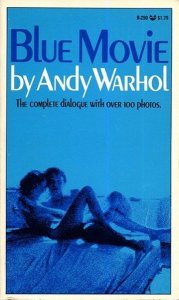
This was the "golden age of porn"—a time when films once traded on the black market were now advertised in newspapers.
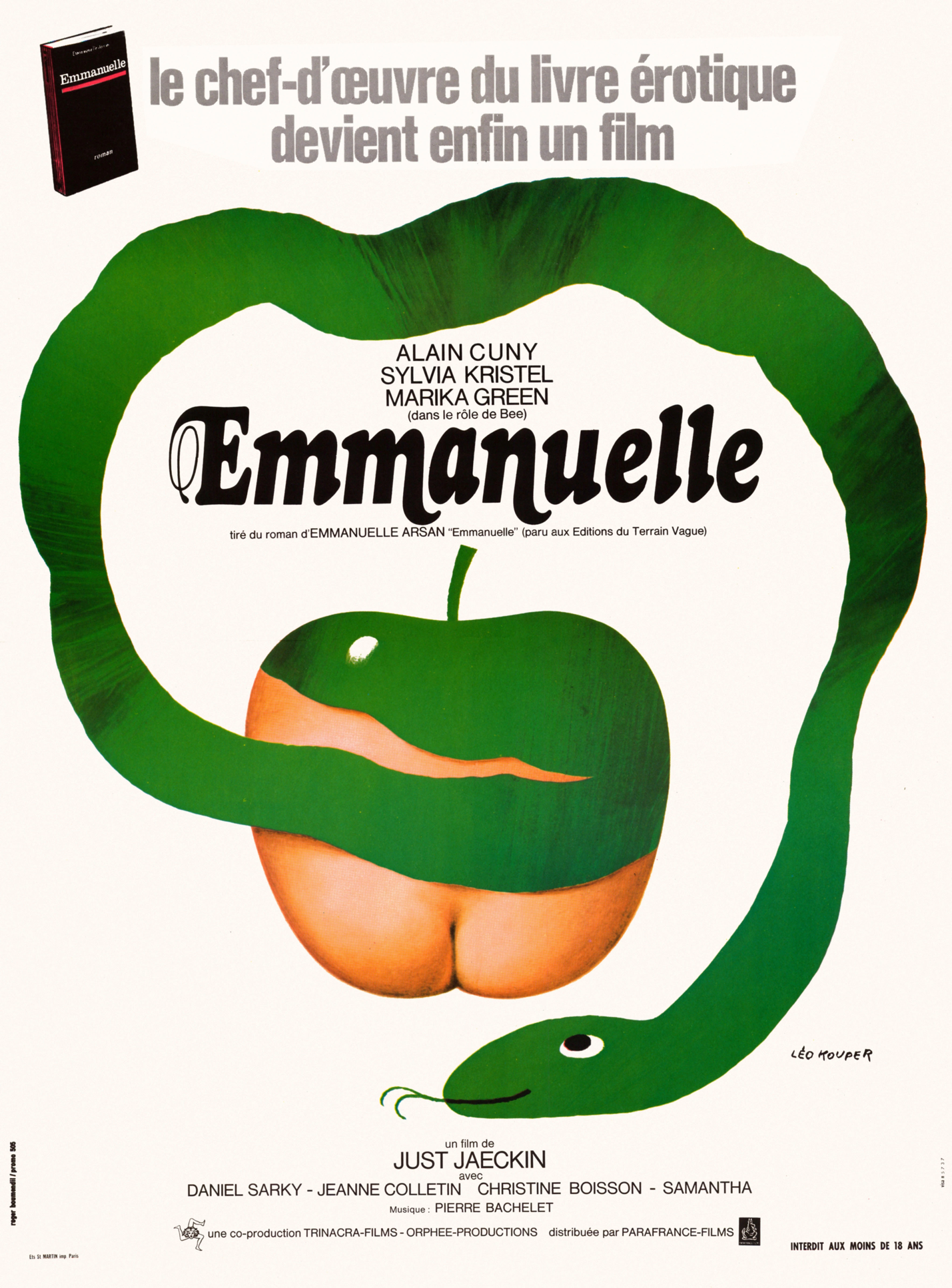
Emmanuelle was marketed not as porn but as "sensual art cinema." With a massive, multinational ad campaign, it blurred the line between eroticism and mainstream film—so successfully that it was remade decades later, still wrapped in the language of artistic exploration.
Whether or not that movie ever should have been remade is not really debated. It was panned. But in 1974, suddenly, films osés could advertise.
The metaphors were obvious; the message was clear.
If you enjoyed this post, pass it along! Share it with a friend who loves deep-cut 70s grooves, obscure film history, or just appreciates a well-placed Hammond organ.
I know someone who will love deep cuts from the 1970s.
I’d love to expand my readership, so if you’re not already subscribed, hit that button!
We love new subscribers.
Every share, comment, and follow helps keep the deep dives coming. And if you really love what I do, you can always buy me a coffee—because good music (and writing about it) deserves proper fuel.
Thanks for reading, and here’s to the next 200!
K