Associations, Calendars, and the Rhythm of French Life
September in France: The Season of Sign-Ups
When we moved to our new town in March, I walked into the gym, ready to sign up. The woman at the desk shook her head. “Complet. You’ll have to come back in September.”
“Why September?” I asked.
She shrugged. “Because that’s when it’s done.”
What?
TL;DR:
In France, even gyms run on la rentrée—everything resets in September. That rhythm ties back to the 1901 law that birthed today’s vast culture of associations, from wine brotherhoods to cassoulet clubs. As odd as they seem, they anchor French civic life - hold the country belongs to at least one of them.
And there are some good songs, too!
September
I was going to write my own big piece on la rentrée, but plenty of others had already done it. I skimmed through about twenty-five posts—most either mediocre or just plain nuts—before finding a few worth sharing.
I might start an aggregator of good Substack pieces. The place is getting pretty full of shit informative posts and could use a filter.
K
back to Business
That gym I tried to join is an association—a club, not a business. You pay once a year €180, coach included, at least at this place. A friend in the U.S. pays the same for a single hour with a personal trainer in NYC.
Like a lot of traditions in France, the association system started from an old reaction. Over time, it hardened into a tradition.
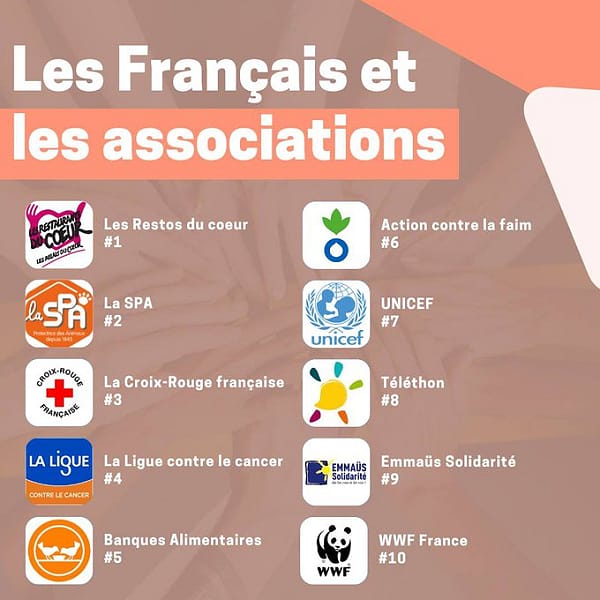
Now associations are everywhere. More than 1.5 million are active, with 70–80,000 new ones created each year. About half the country belongs to at least one—ranging from UFO-spotters to wine brotherhoods (which include women) in robes defending their vintage. Of course, they are also registered in the International Brotherhood Federation of Wine Brotherhoods.
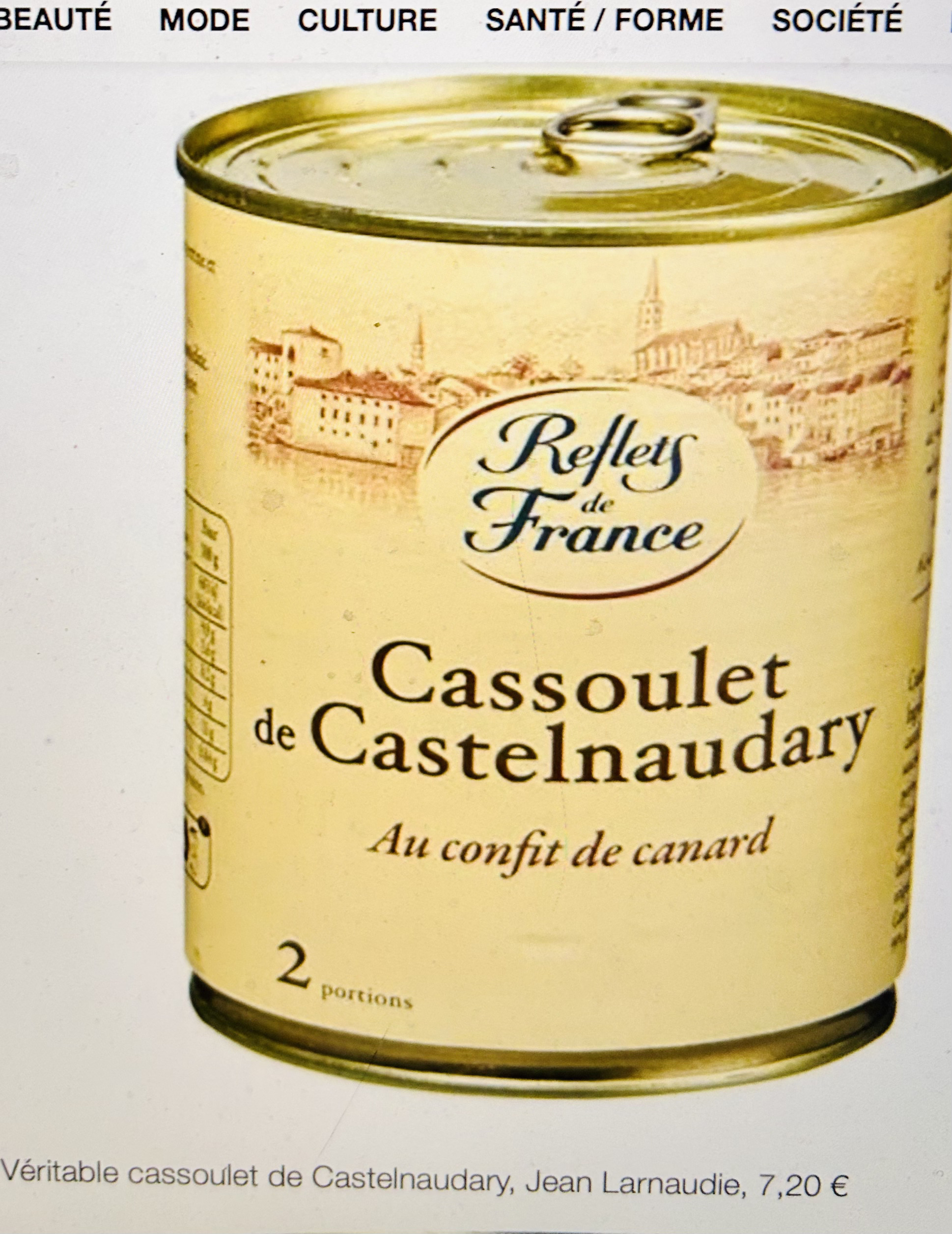
In Castelnaudary, there’s a Confrérie du Cassoulet (“55 years defending cassoulet”), staging parades and feasts to prove theirs is the “true” recipe. They also include women, but those who like bean dishes.
Others spend weekends reenacting Napoleonic battles in full uniform, ringing historic church bells (la campanologie), or racing lawnmowers Le Mans–style for 24 hours straight. There are clubs for jesters, anagram enthusiasts, cauliflower devotees, students rebuilding old Renault 4Ls to drive across the desert for charity, whatever.
Some sound absurd, but they’re part of a civic culture with 12 million volunteers and nearly 2 million employees. Associations aren’t just hobbies—they’re a major employer, a community engine, and one of the most French parts of daily life.
1901 in France; 1901 in America
None of this would exist without the Law of 1901 (la loi de 1901), which made non-profit associations legal with almost no bureaucracy. Before that, groups were restricted, often treated as politically dangerous or too close to the Church. France at the time was roiled by anarchist bombings, anticommunist crackdowns, and the state’s long tug-of-war with Catholic power.
In the U.S., the same era saw its own suspicions: anarchists were blamed for strikes and riots, labor unions were surveilled, and immigrant groups were often treated as subversive. The difference is that America never passed a single law opening the gates the way France did—its civic life grew more piecemeal, often shaped by churches, philanthropy, or business interests. France, by contrast, made one sweeping decision: legalize associations, keep them non-profit, and let civic culture flourish.
La loi
After 1901, any two people could file paperwork at the prefecture, open a bank account, rent a hall, and start organizing. The rules were blunt: no profit, open membership, civic purpose (not religious).
Born from a fight with the Catholic Church, the law was meant to weaken clerical power and strengthen democracy.
The later 1905 law separating Church and State sealed the deal. Sorta.
Musical Interlude
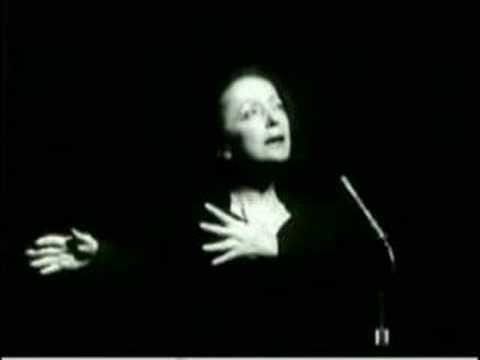
Septembre Michel Stax (1979?)
Michel Stax, a Quebecois singer, recorded this French cover of Earth, Wind and Fire’s September in 1979, released as a 45 single. Stax had a few hits on Quebec radio charts in the early 70s & 80s, like Je Suis un Gigolo, which seems modeled after David Lee Roth’s version more than the Louis Prima version, but you can decide for yourselves. Stylistically, he was all over the map: dramatic ballads, pop-folk, cabaret - a Christmas tune, even - and yet mostly unknown outside la provence.
La Rentrée
If you’ve ever wondered how France really works—or just been curious—here’s a few people who have written well about it:
Pierre Guernier, in his French Moments newsletter, calls la rentrée “a national metronome that sets the rhythm of families, politics, and culture.”
Jane Bertch has a great Prompts From Paris piece that treats la rentrée less as logistics and more as reinvention—small shifts, butterflies, the whole thing.
Véronique at France with Véro wrote a lovely piece back in 2011, personal and nostalgic, almost a history lesson. Both are worth reading.
For me, la rentrée is another reminder that France runs on its own clock—something I’m only just beginning to understand after a few years here.
Related posts - at least about Life in France
 Keith Christiansen
 Keith Christiansen
Bonus material - because it’s fun
Just a Gigolo Louis Prima (performed 1973)
During a special broadcast organized by Line Renaud, American singer Louis Prima performs his global hit "Just a Gigolo" for the first time on French television.