Second Hand France
French Charity Shops, Flea Markets, Websites and how to navigate them all
This post is part of a We Live Here Now series that I never quite got to. We do intend to stay in France - we like it here, but we’re also looking to see how we can add value here and to commit to living here longer term. to that end, we don’t want to buy a house full of things if we aren’t 100% sure about our visas.
But we’re working on it.
Today: secondhand shopping. Not because it’s trendy, or even sustainable (though it is), but because this is how we’ve furnished parts of our life here and we’ve always liked it. Piece by piece. Town by town.
It allows for a bit more serendipity, which is a theme I’ve been talking about this week without really meaning to.
It’s also we’ve learned the language, met people, and made sense of the culture. Shopping secondhand in France isn’t just practical (it’s really not at all efficient, except in terms of money), but it’s an interesting way to get to know a place.
Even though the country was unfamiliar, flea markets always feel like home.
traveling light
When we left New York, we didn’t bring much: a few suitcases, two cat carriers (still need to do that post about moving cats around four countries), and the loose plan to build a home how we had before: slowly, and mostly secondhand.
When we first settled into an unfurnished apartment in Nantes, it was completely unfurnished. No fridge, no curtain rods, no towel hooks. Cold floors (we didn’t have heat for 2 weeks) and a 70-page document noting every scratch on the walls.
From there, we started piecing things together. But thrifting in France isn’t like the U.S.—the hours are odd, the vocabulary takes work, and the whole thing has its own seasonal logic.
Still, over time, we’ve come to love it.
Below are things I would have wanted to know sooner.
K
Local stories from our life in France. Occasionally useful, sometimes entertaining.
TL;DR
· French secondhand culture is seasonal, social, and very local.
· Markets (brocantes, vide-greniers) are also sort of social events
· Online platforms like Vinted and Leboncoin are huge and great resources
· Haggling? Yes at markets, no at stores. As my mother used to say, “if it’s indoors, you don’t haggle,” even though she did.
It’s different than the US & UK.
I have shopped for old stuff in every country I have ever visited. I will choose something older with a story to it over almost anything new and mass-produced thing, no matter what it is.
Vocabulary is tricky because it’s informal and opening hours are another thing entirely. The trade-off is that when secondhand events pop up, most turn into big junk-oriented street parties, if low key ones.
Flea markets
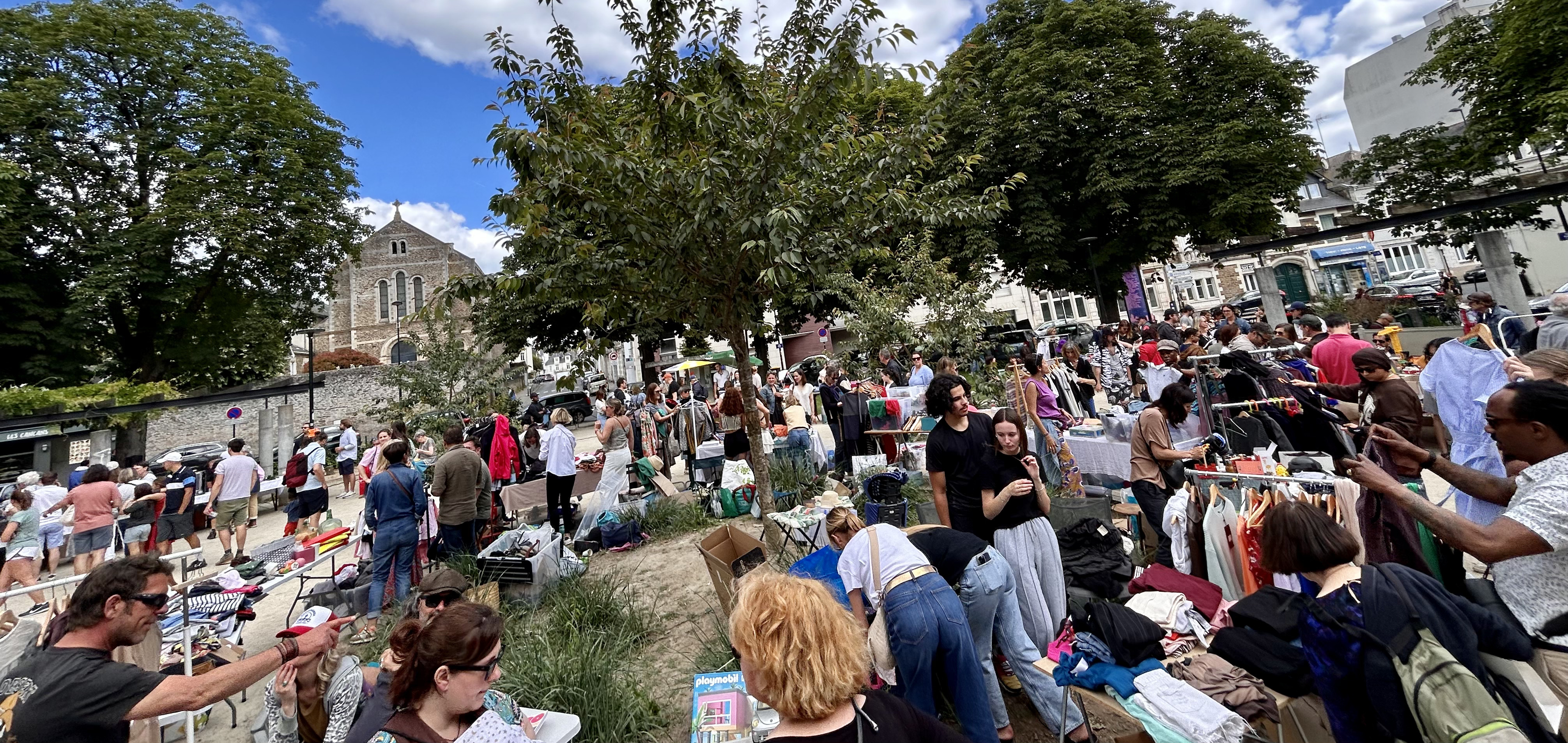
France is likely where the term flea market came from, which is a little odd because it seems like only the US uses that term.
The first marché aux puces (flea market) began in the late 1800s just outside Paris, in Saint-Ouen, near Porte de Clignancourt – where it still is and may be the biggest in the world. Police pushed rag-and-bone men outside of the city limits, so they set up shop just outside the gates.
I found a treasure! Share this!
The name stuck, and today Clingancourt may be the biggest one in the world, with junk on offer alongside expensive antiques. The maze like stalls and stores cover a huge area and it is one of only two all-season flea markets in the country, as far as I know. The other is in Lyon and well worth a visit.
Le Marché aux Puces Joe Dassin (1971)
Originally from New York, Joe Dassin—son of a blacklisted McCarthy-era director—returned to France, bringing a bilingual twist to French chanson.
Released in 1971 on La Fleur aux dents, this song is about a stroll through the Paris flea market at Clingancourt where every item tells a story, etc. It’s a very smooth mellow groove, more typical of American sounds of the age than France.
One More Time Around
What started as a way to save money has become a way of life.
We try to buy as little new as possible—“one more time around” I tend to say, before sending anything to the landfill.
We avoid plastic when we can, but it’s everywhere. Now, with tariffs, trade wars, and the ongoing climate crisis, why not buy less new stuff?
We’ve scored great dishes and cutlery for cheap, yet splurged on appliances built to last. A €20 copper jam pot—perfect for the few times a year I actually make jam—was a favorite find.
The hunt has given our home character and helped us settle in. It’s more than just stuff—it’s how we’ve made the place ours.
I like things with some history.
shopping in strange places
It is a little weird sometimes. We’ve been to a lot of places with a “should we be here?” kind of feel.
Some of these places go where rent is cheap or non-existent. Shopping in little towns in odd places or buildings that might also be someone’s garage is a bit like visiting an interactive museum where you can actually buy the exhibits.
We’ve made the odd Ikea run when we had to.
Sometimes you can’t wait for charm and need your silverware organized.
We’ve wandered into barns, backrooms, and back alleys, only to discover that the place was already packed with locals.
There’s a Season, a Time, and a Place
Like most things here, These stores and sales follow a rhythm.
In the U.S., thrift stores and yard sales feel constant. Many thrift stores are open every day, even if some have odd hours.
You might see 10-20 garage sales in easy driving distance in the New York suburbs happening every weekend from April to October. There are fewer in the winter, but they keep happening.
Then there are estate sales, auction houses in far-flung locations, etc. Everything has a niche, really, even if it seems much more common.
Maybe we just have a lot more stuff in the US.
All of the stores in France have very limited hours. With very few exceptions, most marchés aux puces, vide-greniers and brocantes shut down after October and don’t resurface until spring.
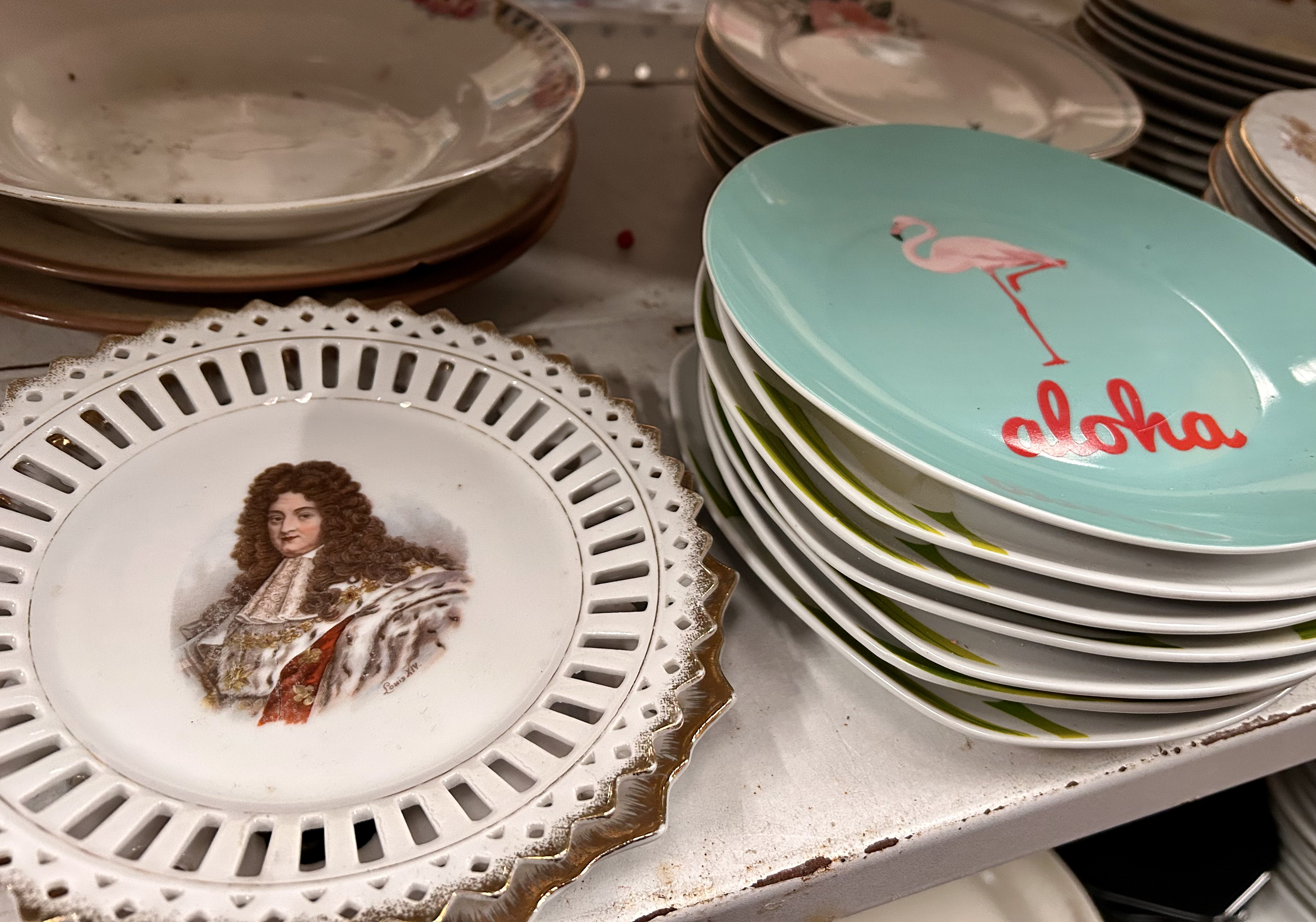
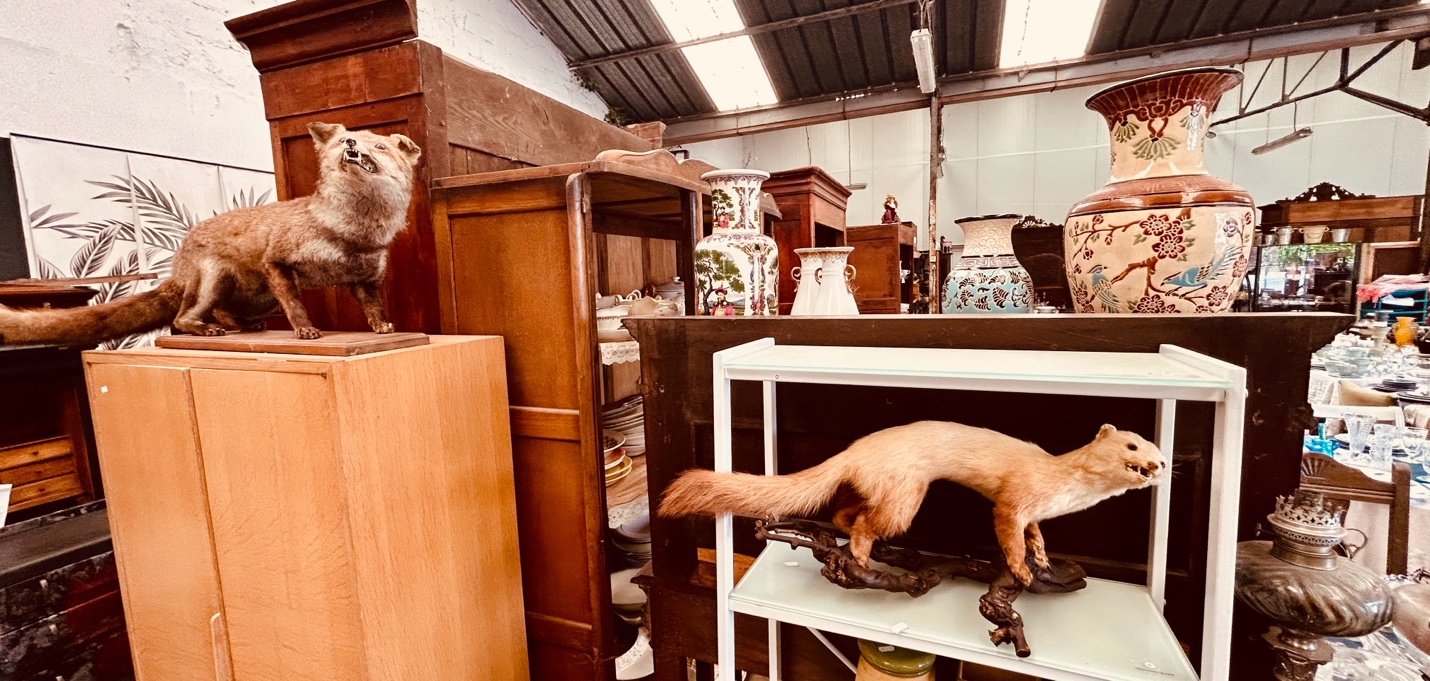
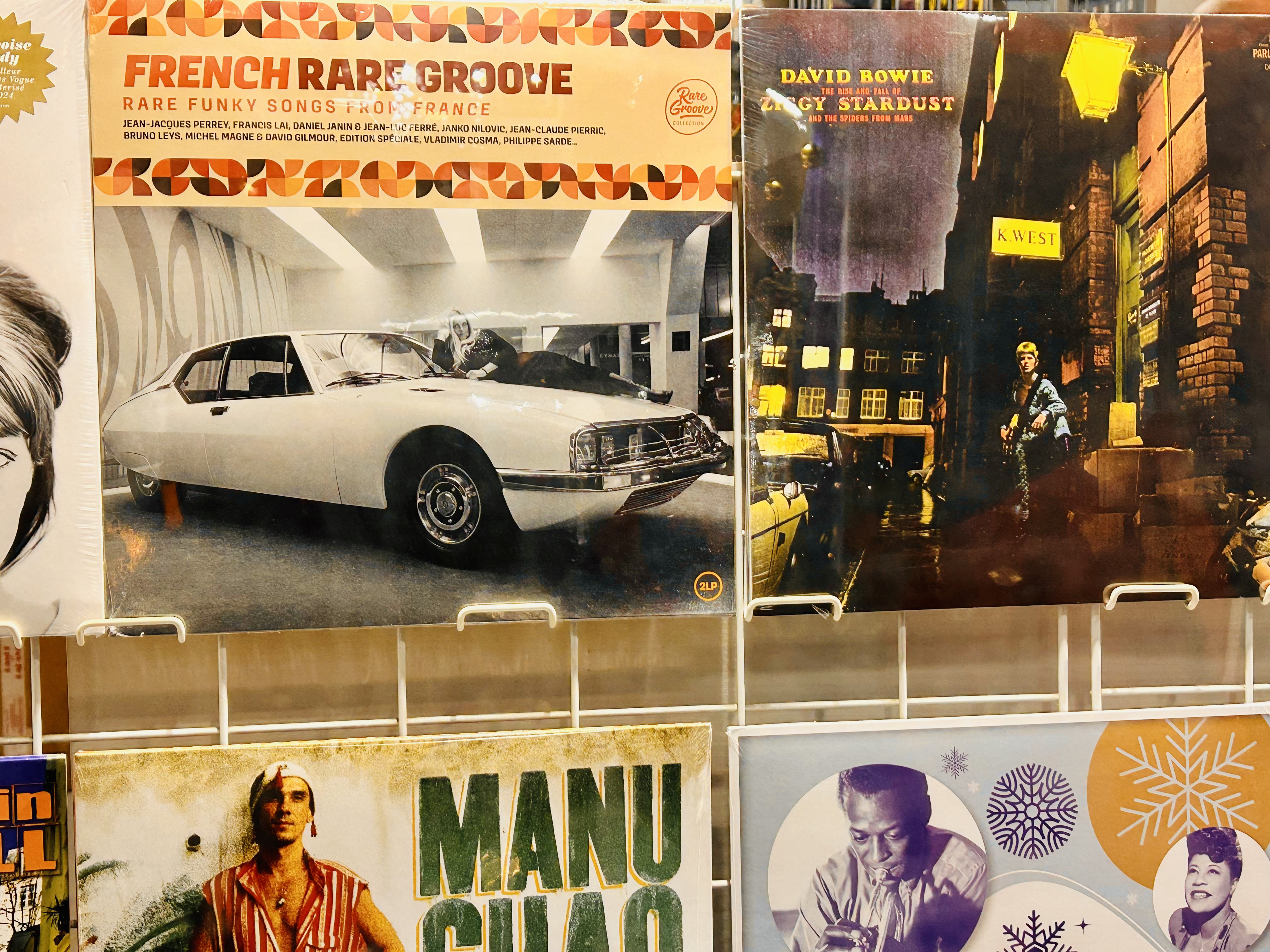
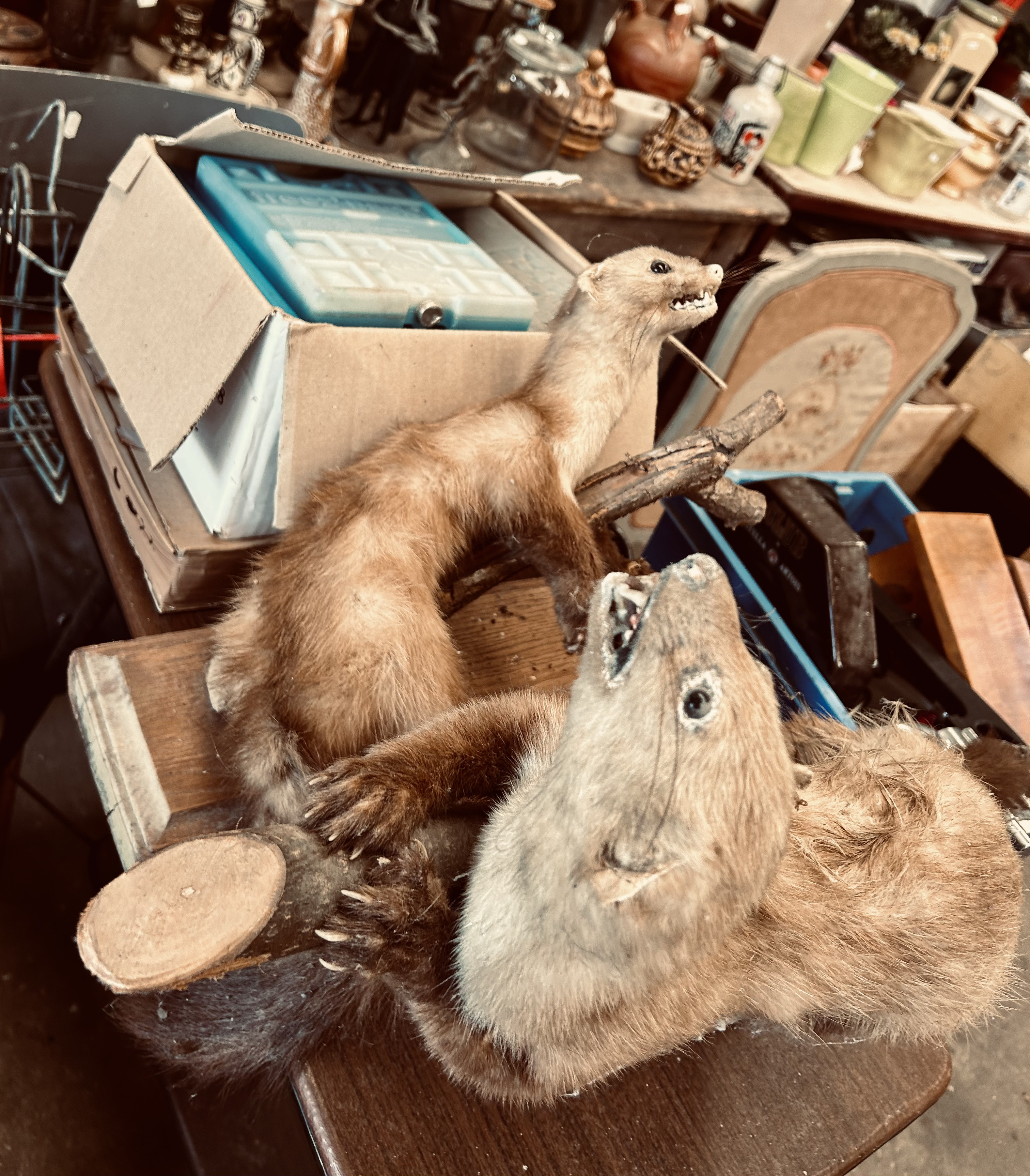
In spring, signs for vide-greniers appear, selling everything from vinyl and mismatched dishes to antiques that need some love - and, oddly, a lot of taxidermied marmots - at least near us.
Short note on haggling
Haggling is its own micro-culture. Here are some short notes that are internationally recognized.
Vide-greniers & brocantes:
Haggling is expected. It’s a little weird if you don’t try. A little banter and looks of disapproval toward items you want to buy also help. Cash only.
Friperies:
Prices are fixed and rarely negotiable, but maybe if you buy a lot.
Ressourceries & recycleries:
No haggling. You’re a bit weird if you haggle at Salvation Army, but I’ve done it.
Leboncoin / Vinted:
Some negotiation room, especially on Leboncoin. It might work, about 25% of the time. Be reasonable. You can get blocked on Vinted if you get flagged for low-balling.
Auction houses:
Prices are set by bidding. Know your limit and control your impulse to keep bidding, if you can. Auctions are a whole other thing I’ll get to in another post.
Do you have any good thrifting tips near you?
I truly want to hear where to buy good and better junk. What are you favorite finds? Weirdest stories? Stuff you bought on vacation and used forever?
Let me know in the comments!
K
 Finding Home Elsewhere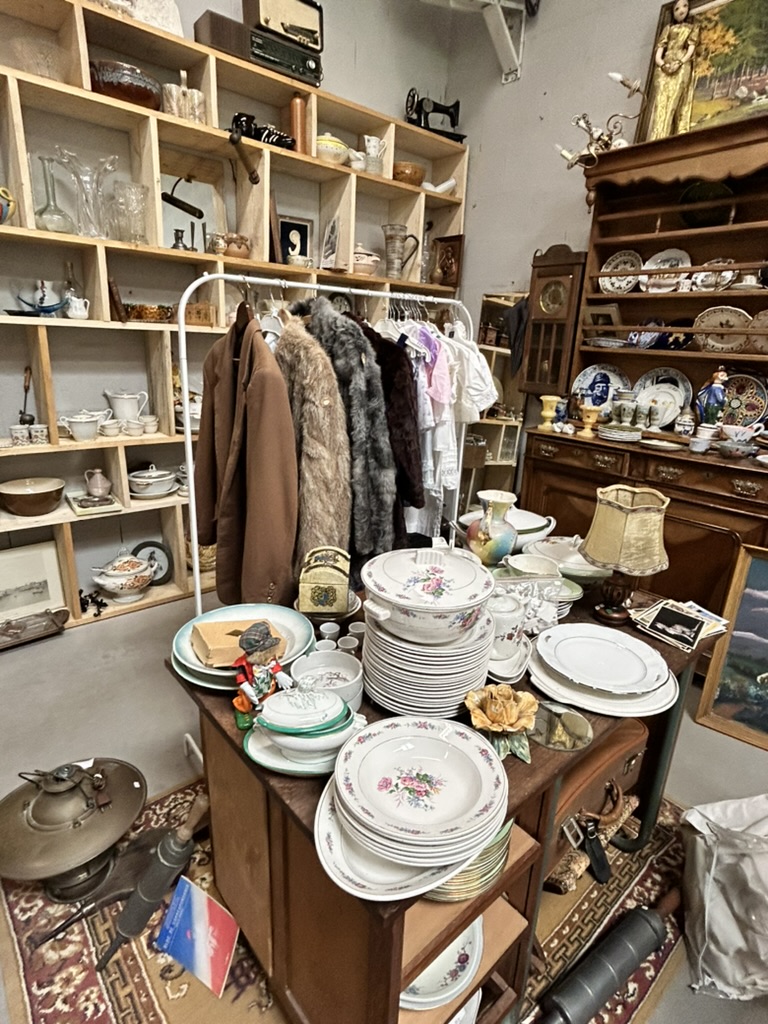
What’s Changed Since the First Post
We’ve gotten better at spotting quality shops, asking people where to go, paying attention to those little slips of paper in cafés in a way that I think people stopped doing in the 1990s in the US.
And a lot more of this has moved online.
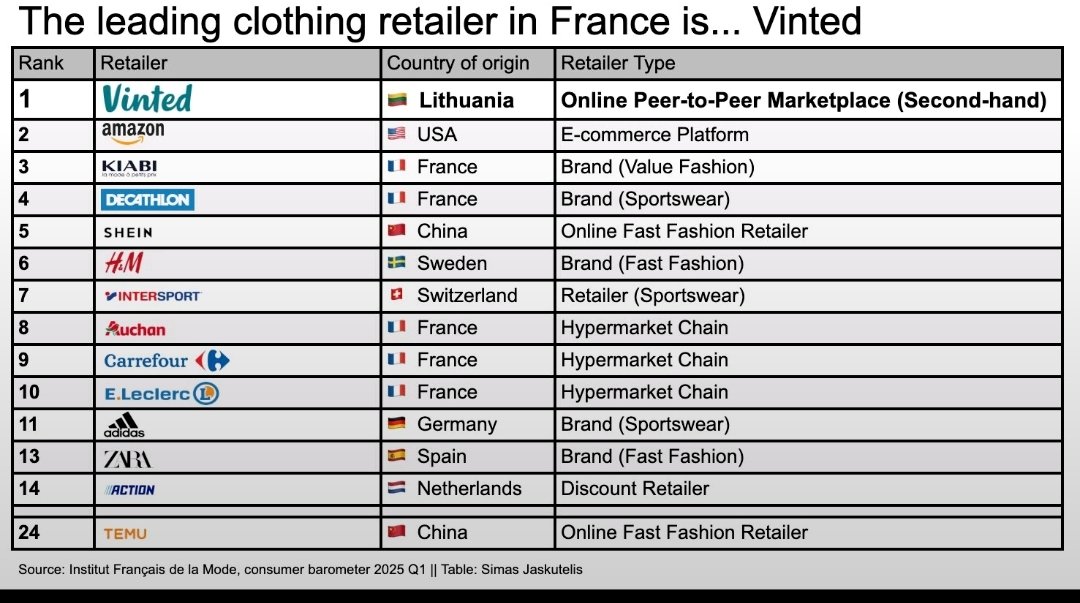
Vinted, a peer-to-peer clothing app, is now officially the largest clothing retailer in France, beating Amazon, Kiabi, Zara, and all the rest.
Ebay just isn’t quite as reliable as it was, but there are values to be found.
People are clearly tired of paying full price for fast fashion when the same sweater is on Vinted for a third of the price.
It’s a bit more of a community connection, even if the person is on the other side of France. And it’s all very smooth.
Shopping & Shipping
If you buy online in France, especially secondhand, it usually doesn’t come to your home.
It goes to a point relais: a local shop or corner store where deliveries are held for pickup. I get most of my Vinted orders this way. And over time, I’ve come to know the people who run the relais. They’ll hand me a package, comment on the weight, or ask what it is this time.
It’s a small interaction, but it makes a difference.
And it solves the issues of porch piracy, keeps trucks from having to run all over the place, burning fuel, and so on. A smart, simple solution.
making your own story of stuff
There’s a kind of joy in the randomness. Shopping this way feels more like foraging than browsing.You walk in with a vague idea, a desk lamp or something for the kitchen, and instead you walk out with some small but curious things that just grabbed your attention for the moment.
You don’t always find what you’re looking for. In fact, you rarely do.
But the things you do find feel like small wins. And more often than not, they come with a bit of a story, which is more than I can say about a poäng chair or a Billy bookcase from ikea.
It’s not just about the object; it’s about how you got it.
The journey to some random place, the awkward exchange in French, the useful item that is now a souvenir whenever you make dinner.
The items around our little house aren’t coordinated, but they belong. Each one reminds us of where we were, what we were trying to solve that day, or who we met. Or at least we bought something locally instead of having it shipped halfway around the world.
Appendix: Useful Secondhand Sites & Terms in France
Top Sites - places that I lose a lot of time in.
- Label-Emmaus.co – over 180 thrift stores, recycleries, and Emmaüs shops to with over 2.3 million listings. Not all gold, but there are great things on here. We got a vintage orange coffee grinder from there. Check locations as not everything will ship, like furniture
- Vinted.fr – Peer-to-peer clothing marketplace. Easy to use, popular.
- Leboncoin.fr – France’s Craigslist, but better. You can find anything from furniture to bikes to jobs to homes.
- Geev.com – App for giving away free items. Seems to work best in Paris
- Emmaüs.fr – Online and in-person shops run by a social solidarity movement. Furniture, books, clothes. The store outside Nantes is chaos, but with some real wins to be found.
- Label-emmaus.co Emmaus’s online store that seems to coordinate with every charity seller in the country. Incredible.
- Selency.fr – Curated, vintage, fancy resale. More expensive, but excellent.
- Troc.com – Consignment stores with online listings. These can be like pawn shops, which I tend not to go to. They’re a bit sad, like a building full of hobbies people quit, but there are values to be found.
Terms to Know
- vide-grenier – Community “attic sale”; usually outside, in warm months.
- brocante – Flea market or vintage shop.
- bric à brac – Mix of old and cheap new items.
- dépôt-vente – Consignment store, uncommon near us
- débarras – Clearance warehouse, rare
- point relais – Local pickup point for deliveries.
local knowledge
Here are some local shops, JIC you’re around Nantes, but it’s also useful to note the limited hours.
Ressourceries (Reuse Centers)
favorites
- Le Réservoir (Ste-Pazanne, Le Pellerin, St-Brevin) – Festive and friendly.
- Le TransiStore (La Chapelle-sur-Erdre) – Trendy, youth-oriented vibe.
- Recyclerie Nord Atlantique – Multiple locations (Blain, Savenay, etc.), Wed/Fri/Sat.
Occasional visits
- La Réserve des Dervallières (Nantes) – Small but well-curated. Open Wed & Fri.
- La Ressourcerie de l’Île (Rezé) – Great range, open several days a week.
- Emmaüs 44 (Bouguenais) – Big, busy, and efficient. Open Wed/Fri/Sat.
Friperies & Vintage Shops
For clothing, I’m US men’s XL, so I have limited options.
- Kilo Shop Kawaii (Nantes) – Buy by weight, retro vibe, mixed reviews
- Friperie Decré (Nantes) – Central and affordable. More women’s stuff
- Frip’in Shop (3 Nantes locations) – Stylish and consistent. Very popular
- La Môme Vintage / Doe / Ronin (Nantes) – Smaller, curated shop .
- Pépette (Nantes) – Only open weekends, people say nice things. I’ve never been.
Terminology
- Ressourcerie is a kind of curated resale place for everything from furniture to appliances to clothing. You’ll also see "recyclerie" or "débarras" in places
- Friperie is secondhand clothing. In big cities, you’ll see “vintage” too. Also Frip’.
- Brocante a store, a pop-up market, or a high-end antique thing, depending. This is the word I see most often.
- Vide-grenier are seasonal, as well as the rare vide maison, or garage sale.