Now What? The Geography of Smell
From French markets to New York delis—how scent carries belonging and loss
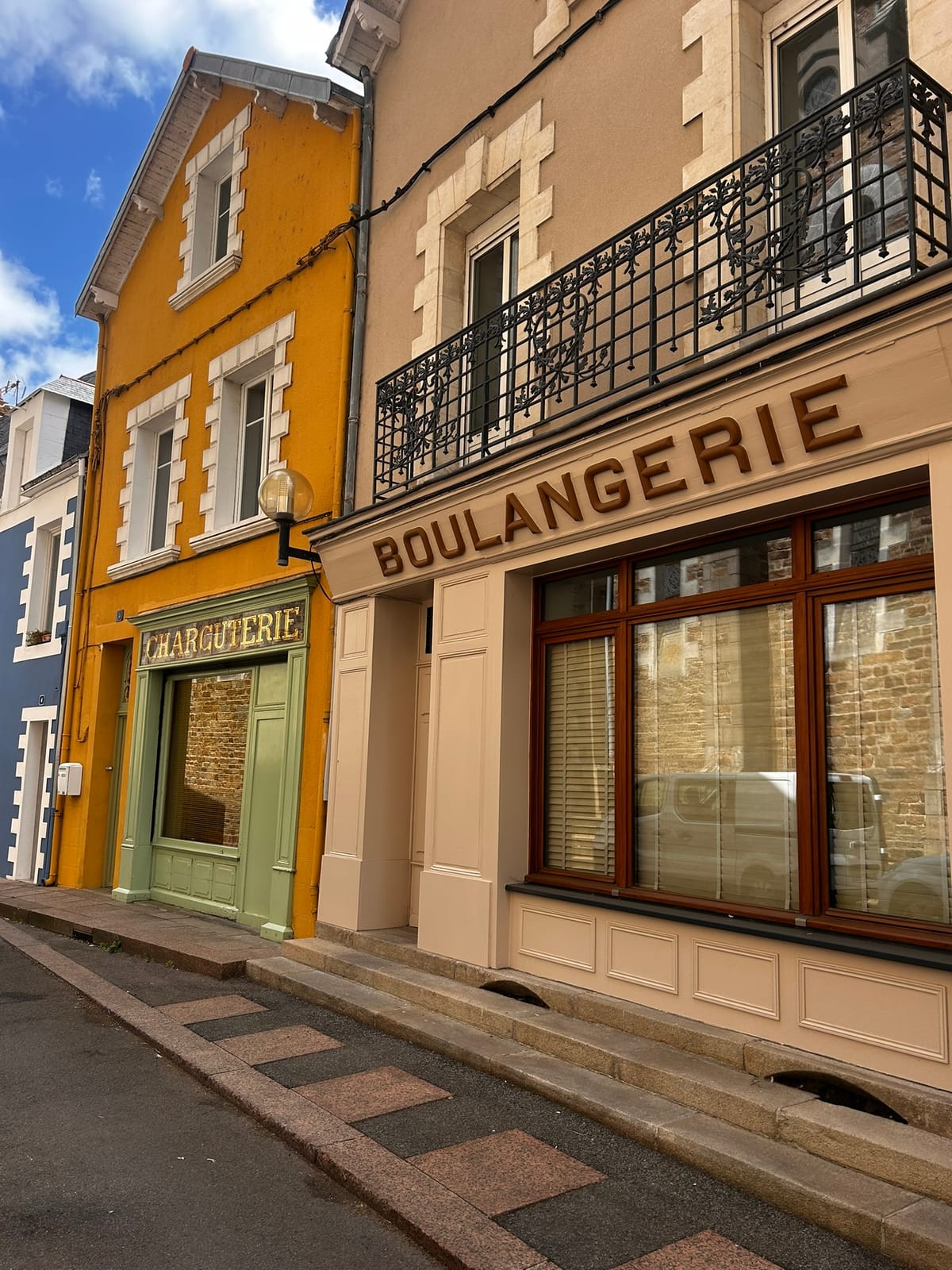
Why returning to France feels different this time.
TLDR: Sense memory and a sense of place - with charts! This is another one of those that kinda meanders a bit. So here we go...
Smell lingers where memory fades—it marks belonging, distance, and change. Returning to France after a summer in England, I’m struck by how drought, climate, and costs reshape the places we think we know.
[ed note: a little poetic, right?]
Nostalgia only takes you so far; we’re trying to figure out what the country is like now, and that is changing quickly. We want to locate where we can root ourselves for the future, guided—strangely enough—maybe by scent.
A Dry country
But not how people remember…
After most of the summer away in England of one of those breaks where you feel like you’ve lived another life completely, returning was bound to feel different.
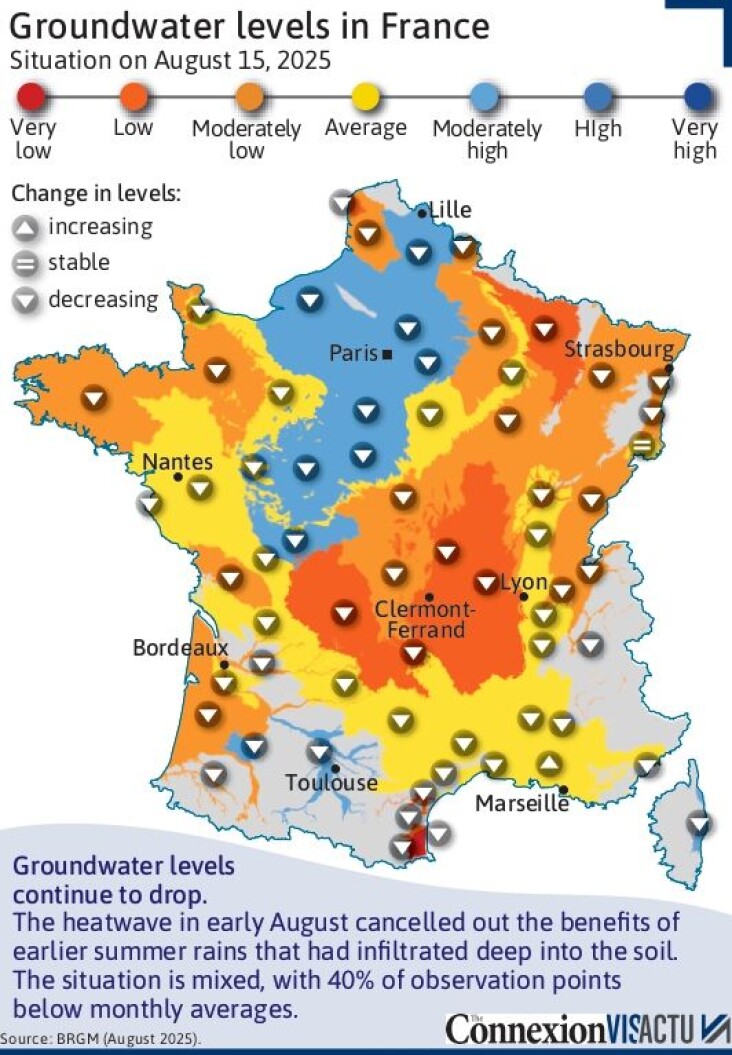
It’s dry here, the August drought that has become steady for the last 3 years, maybe more, turns the soil along the Loire into hardened plates cut through with dusty pathways. The endless plump blackberries of the UK are dried on thorny branches here with nothing to fill themselves with.
This is in Loire-Atlantique, next to Bretagne, where they joke that the sun shines 4 times a day. My phone app tells me temperatures are 20-25°F above the average – but they’ve been that way for most of the summer. And the last, and the one before.
The country smells different than when we left the warm humidity of July. The August air is familiar but not yet home—people tell me that this is not how the weather is here, except it’s the only weather I’ve seen since we arrived in the middle of a drought in Brittany 3 years ago. To me, in summer, this place smells incredibly dry.
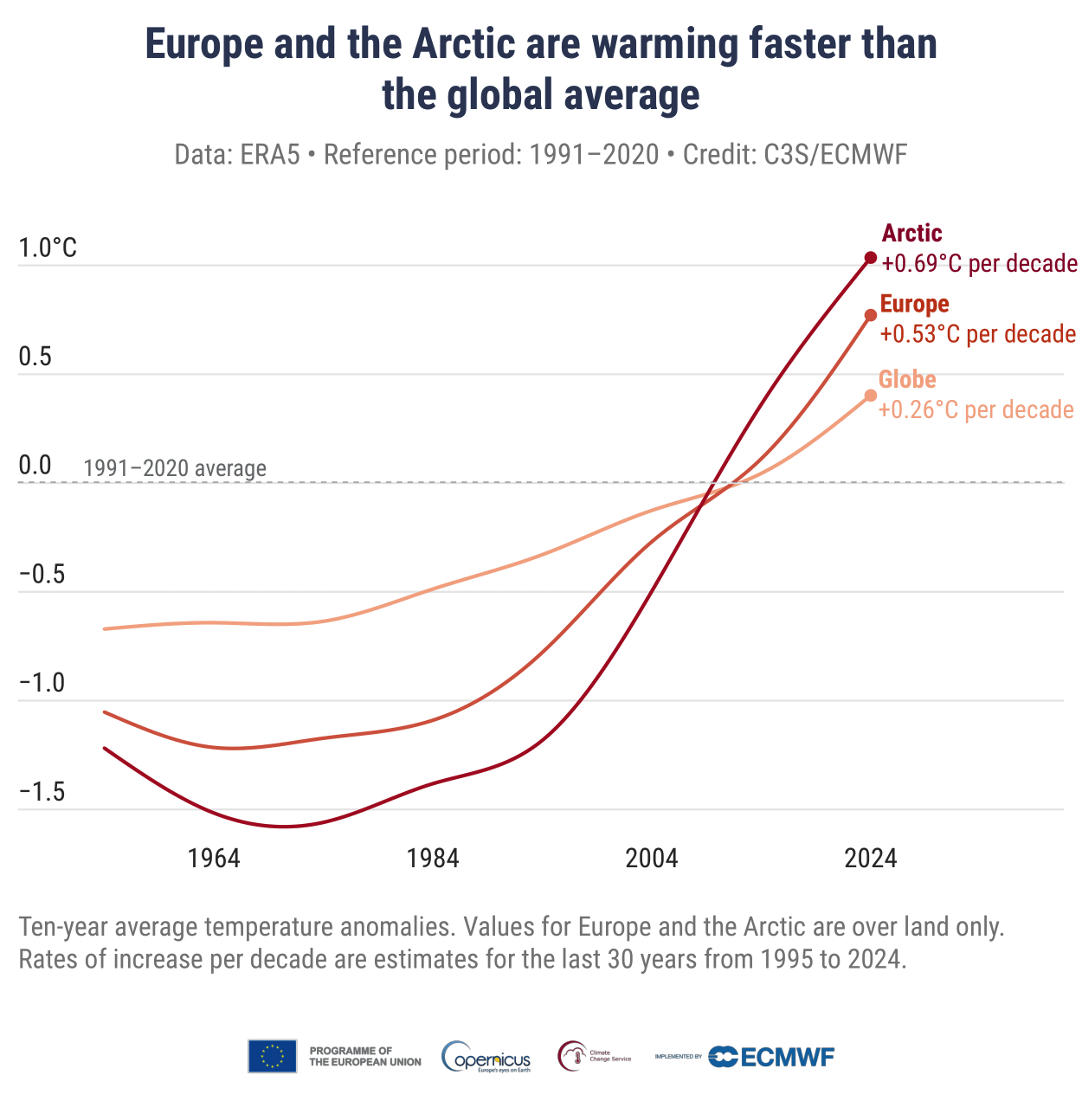
This is my familiar scent of France, where it is warming twice as fast as the rest of the world.
France as Memory
The France I imagined was pieced together from old visits—fragments of vacations, brief seasons, short impressions that grew larger in memory. French friends tell me about their own countryside summers, villages that feel different now.
Or maybe we’ve changed. Sometimes it’s hard to tell.
My memory of summers here was all heat and dryness, plants showing their stress. Yet in my older sense of the country, France stayed a lush green, saturated even after I left—as if the photographs themselves had become the memory.
The biggest change isn’t cosmetic: the climate itself is shifting. Rains come less often, summers run hotter, familiar cycles feel less dependable. We all carry some earlier France in our heads, but the one outside the window is different now—and it will keep changing.
This is the new terroir. Not just the soil and vines, but the daily air we breathe. The taste, the scent, the feel of the country is being rewritten in real time.
Memory is no longer a reliable guide and nostalgia is a poison to our future—it has to be relearned, season by season.
[ed note: we kind of change style here]
Musical Interlude
Cha Tatch Ka Bernard Estardy (1972)
A spacey, weird instrumental from Estardy’s 1970 album Le Géant (“The Giant,” his nickname - he was quite tall), rereleased on the Space Oddities compilation from Born Bad Records1. Estardy, best known for his work as a producer with Paris’s CBE studios, was involved in almost everything from psychedelic soundtracks to pop hits of the ’60s and ’70s. I’ve had this track in my head for days - it’s like a soundtrack to some montage of my life, but I haven’t figured out what I am doing yet.
Now what?
That question is rhythm of our lives these last few years. Visas renewed. Plans extended. The deeper question of place and permanence always humming underneath.
England in-between (for us)
We’ve been to the UK more times than I can count. I have family there. It’s always been easy to travel to—a kind of constant.
And yet the UK remains an in-between. Familiar but never home. Homey, but not home. (Or homely, as the Brits say, which lands wrong on my American ears.)
My father’s flights, my sisters’ years there, childhood trips stacked one on top of another. I worked in London briefly, wandered Cornwall, Sussex, the Cotswolds.
The Anglophone Premium
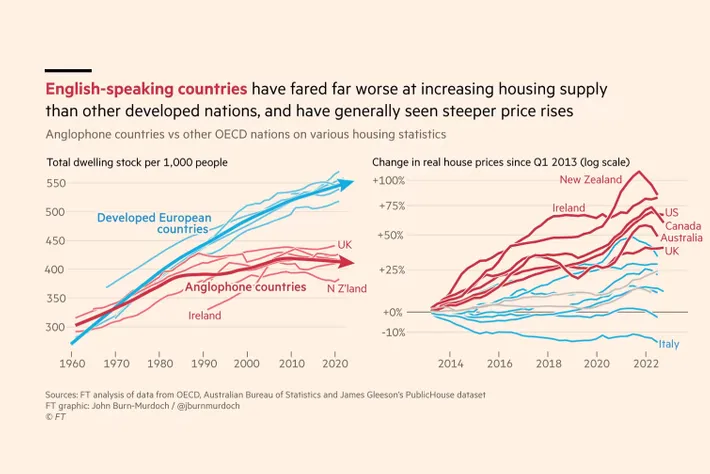
England is lovely, but nostalgia and good pints don’t change how expensive the basics have become. Housing is a documented problem, but it goes further—everyday life feels costly. I think of it as the Anglophone premium2: a kind of comfort tax that seems to come with English-speaking countries. It’s more complicated than that, but at some point the price outweighs the pleasure. Housing crises, in particular, always seem sharper in the anglophone world.
I’ll come back to that in a future post.
Smells of home?
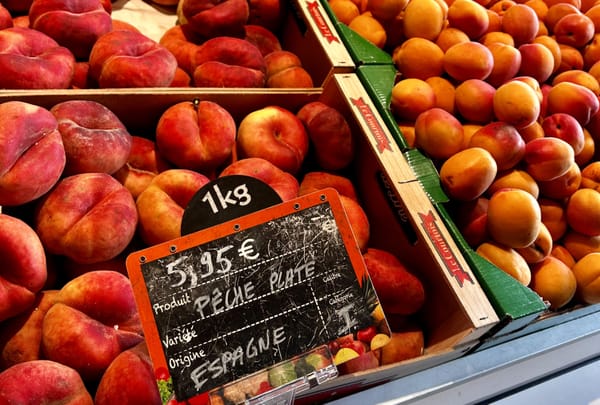
France, by contrast, grounds me in other ways. Walk into a Saturday market here and you’re swallowed by smell: bread crust, bruised basil, oysters sweating over ice, tomatoes that smell like tomatoes and acidic greenness in the August heat.
It beats some of the other “signature scents” I’ve known. The glorious funk of the cheese counter that clears your sinuses at ten paces. Deodorant breaking down on un-airconditioned buses. The uncertain markings of dogs (and the occasional pipi sauvage) along the road.
And then there was a London rental with a bathroom air freshener on a timer—every fifteen minutes a puff of synthetic lilac mixed with damp corners in a doomed attempt to cover what the English politely call “the damp.” The result wasn’t lilac so much as a steady burn at the back of your sinuses, after the first few blasts numbed your sense of smell entirely.
All part of life’s rich tapestry—scents you know, memories of a place and time.
Background processing NYC
I sometimes measure these places against New York, though I no longer live there. It’s not about comparison—I don’t want to live there anymore—but the city is etched into me. I know it so well.
The city is burned into my senses—not always in a good way.
I used to walk into classrooms first period where half the kids were open-mouth chewing egg sandwiches and washing them down with grape soda. The smell was food-ish, but in the same way gasoline sometimes smells sweet. A daily morning science experiment nobody assigned for homework. Try teaching Hemingway over that cloud.
The petrichor scent of asphalt after a storm. Exhaust tangled with pizzerias. The endless metallic screech of the subway. Sirens in the distance, each with their own pitch and purpose. Buses and trains rumbling so constantly it’s a wonder anyone even notices when there are small earthquakes.
Once, pretzel carts stood on corners, maybe a hot dog stand or two. These days it’s halal carts everywhere—grilled meat, cumin, smoke, smiles, fast service, white sauce (whatever that is). That smell, more than anything, now says New York.
And yet when I picture it, I realize I have no idea when I last saw anyone selling a pretzel.
Do you still see them in movies?
On Distance and Scent
Someone on Substack posted this recently:
“There is something else in odor, which gives me a sense of distance. I should call it horizon—the line where odor and fancy meet at the farthest limit of scent.”
—Helen Keller, The World I Live In (1908)
Returning to France, I noticed it. The smells here are familiar, but still at a distance. They belong to a place I’m in but not quite from just yet, but getting closer.
The funny thing is that it’s changing for the French as well.
Looking Forward
So here we are, still circling the same questions. Where do we root ourselves? How do we build a life that lasts ten or twenty years, not just one?
We’ve made a list: proximity to medical care, transport, food systems, water—the things that will matter even more as the world tilts further off balance. Maybe Brittany. Maybe Normandy. The search continues.
For now, I hold onto smell as a compass. Basil in the markets. The sugar of peaches. The brackish breath of the tidal Loire. Scents that remind me where I am, and hint at where we might belong.
And always, New York drifts back in—halal cart smoke, Papaya King, delis turning out Bacon Egg and Cheeses, the smell of grease and coffee stitched into the streets. Those are the markers of a place I once knew by instinct.
France will have to be learned the same way. Its markets, its seasons, its air after rain—taken in until they stop feeling distant and become their own kind of familiar. A place I can know not just by memory, but by feel.