Raclette: The Cheese That Brings People Together
How a Funky Alpine Tradition Warms French Winters
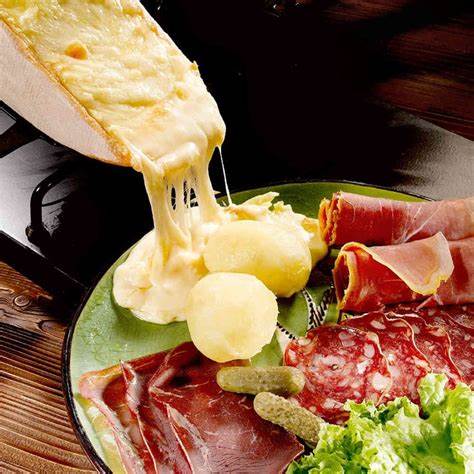
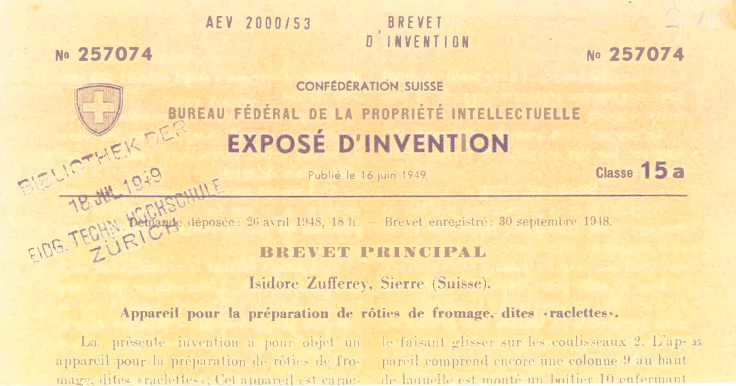
Winter in France brings raclette and raclette parties wherepeople huddle around bubbling cheese on hot grills, scraping it over potatoes, meats, and pickles. It’s a bit like fondue (maybe in reverse), offering a casual and fun way to eat together. Raclette transforms simple ingredients into comfort food and community, making it a nice antidote to cold, dark evenings.
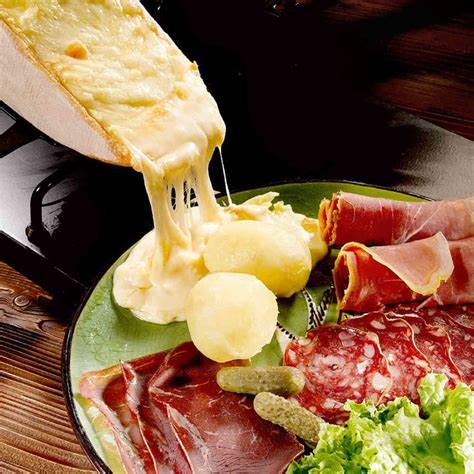
funky cheese for communal dining
This winter, I’ve been invited to a handful of raclette parties because raclette isn’t just a cheese; it’s a shared experience. Really, it’s just a bunch of people hunkering around a small appliance, melting cheese and scraping it off of plates with wine and beer.
It’s a bit like Korean barbeque or Japanese shabu-shabu that way: it’s a fun way to eat.
In the U.S., raclette is less common, but New York City and a few other places sell the cheese and hold raclette parties, but there are alternatives. Taleggio is closest in texture and funk, fontina works well for melting, Gruyère adds nuttiness (though it’s different), and even aged cheddars can do in a pinch.
Traditionally, the cheese was cooked then scraped (where the word “raclette” comes from – it sounds better than “squeegee”) on top of potatoes. Its popularity surged after WWII when the Swiss government started to promote it and again when electrical cookers were introduced (a history of them, if you’re into it).
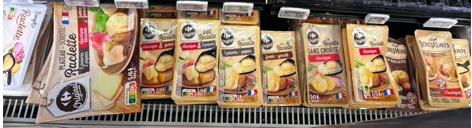
While it remains popular all year around, in the winter, it’s suddenly everywhere. You’ll find all kinds of flavors, from smoked to infused with wine, beer, herbs, etc. Every place you could possibly buy food, you can buy raclette. I bought 300g in a gas station the other day.
Switzerland gave it an AOP in 2007 and France gave its Savoie Raclette an AOC in 2017. Since Covid lockdowns (remember those?), sales of home raclette cookers have tripled.
Recipe
Others describe this well, but it is essentially:
- Buy some raclette
- Melt it – toasted is best
- Serve with meats and pickles.
- Potatoes are traditional, I like bread.
If you want better suggestions, Thanh has some great recommendation to make it fancy or Snippets of Paris for more.
The science behind the funk
Raclette's creamy, nutty flavor and signature funk come from a washed rind cultivated with Brevibacterium linens bacteria. The microbe creates the cheese's aroma, a key part of traditional production methods.
In recnet years, there has been growing concern over the microbes that create certain cheese going extinct, more or less, as they have been developed into such a monoculture. Camembert and Brie seem most at risk as their white crust is formed by a very specific monoculture of a mold: Penicillium camemberti. My guess that the funkier cheeses like raclette have a more varied assortment of bacteria.
Brevibacterium linens
Cheesemakers introduce a starter with the bacteria and wash the cheeses with a brine solution to keep it so that B. linensthrive and others don’t, ensuring one bacteria dominates the environment. Each starter is basically a unique recipe for the cheese.
The bacteria breaks down proteins and fats in the cheese during aging, releasing sulphur compounds contributing to the nutty, tangy and funky aroma. When made with raw milk, the bacteria from the milk contributes its own flavors as well. Brevibacterium linens is where most of the unique flavor comes from.
That said, whenever this is in the fridge, I find myself making sure the leftovers are still good. B. linens is also what gives the rind an orange color. B. Linens is also the culture for the famously funky Limberger.