Not the plan, but the routine
Living in Europe was never the dream. But here I am, sorting archives, mispronouncing things, and learning how to stay.
TL;DR: We didn’t move to France for the dream—moved for the reset. Still resetting. This is post 250 (fine, 251) & yet another reflection on what changes when you leave, what you owe the place you land in, and why nobody mentions things like carrots, but everyone mentions the carrots. There’s food, music, memory, politics, slowness. And sandwiches. Always sandwiches.
I write about cool stuff you might not know already. In France.
So this is post 250, um, 251.
I had big plans—something reflective, maybe clever.
A manifesto!
A sales pitch!
But the day came and all I really wanted was to ride my bike and drink a cold beer somewhere unfamiliar. That felt about right. This whole thing started as a way to figure out French culture and then what happens to you when you leave.
Not just geographically, but the slow unthreading of a life, the rebuilding of a new one.
moved & still moving.
I didn’t come to France out of some deep Francophilia.
I like it here. I admire the place.
But I don’t think it’s better than the U.S.—not across the board. Some things are better, and some things are just better for us here.
People talk about moving abroad like it’s all weather, food and wine, but they almost never mention the government.
They should. Institutions matter. A lot more than we admit. I am sure that anyone who has moved into Ecuador in the last few years has been shocked, as have many Ecuadorians.1
We live in a very dynamic world.
In shorthand: a government that fears its people is usually more democratic; a people that fears its government is edging toward autocracy.
This phrasing has been wrongly attributed to a ton of people. It’s still a good one.
That’s been true for too many in the U.S. for too long.
And I worked with those people for many years. I don’t miss that, but I do miss the people.
What You Owe a Place
But I do think France is different enough that it asks a lot of you when you live here.
And when you move somewhere, I believe you owe it something.
You try to learn the language. Try to understand why things work the way they do.
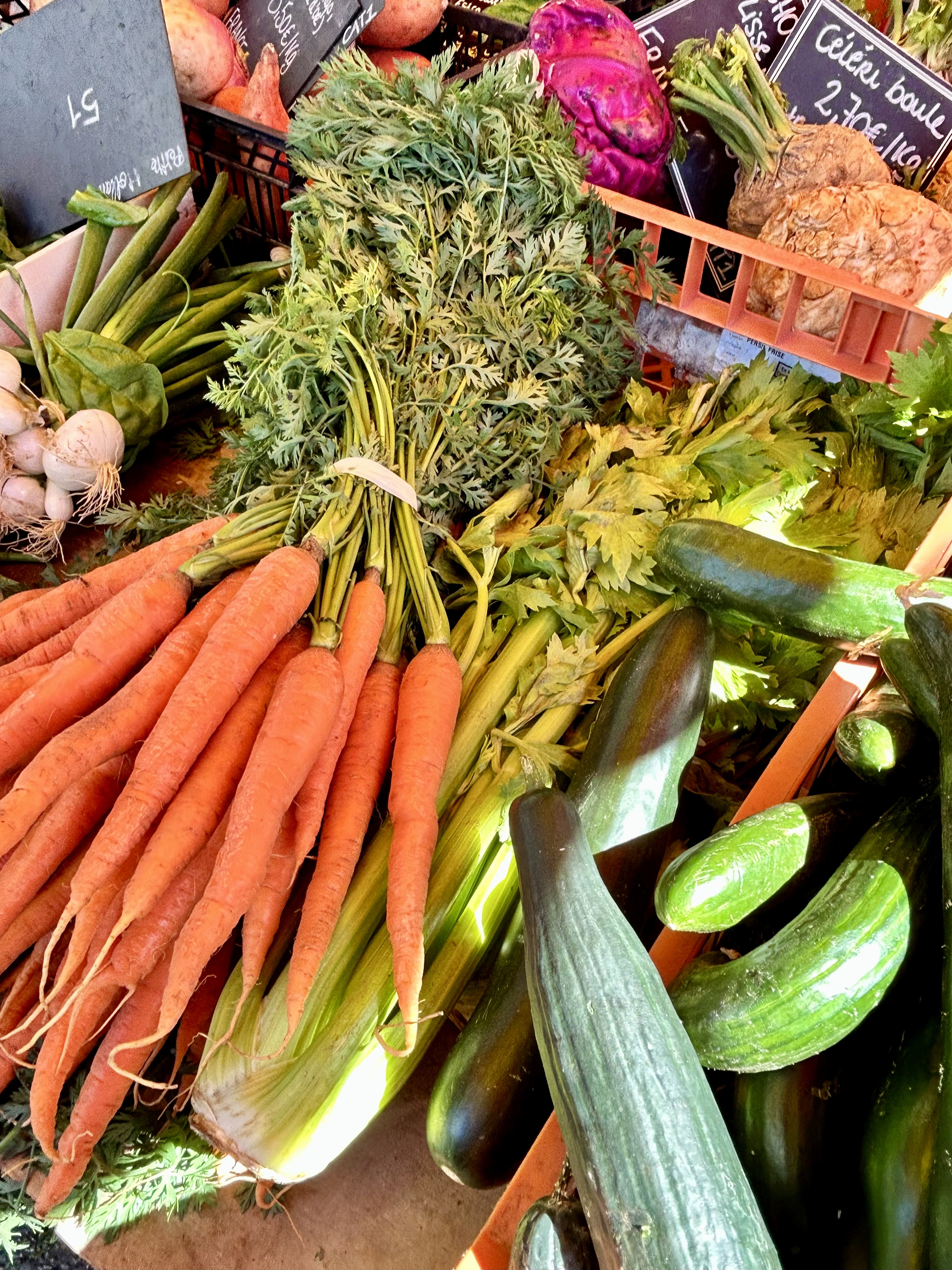
You don’t just float above it all, speaking English, eating brunch or whatever you do, complaining about vegetables.
Try to participate.
That’s the idea, anyway.
It’s a way to figure out what happens when you leave.
Not just the geography—it’s the the whole unwinding of your old life. Detaching, relocating, trying to build something again.
Be where you are. Be a part of where you wind up.
Slowness helps
There are things I could never get to when I lived in New York.
For twenty years I told myself I’d write more. That I’d put things together. But the overwhelm was constant. Or maybe I was just recovering from it all the time.
I think some people thrive on that buzz.
I’ve learned I am not one of those people. I always thought I was…
France didn’t change me (but it kinda did), but it gave me enough quiet to write down what was already rattling around.
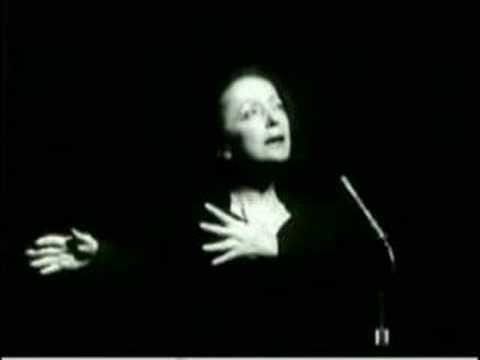
Jean-Jacques Goldman, Sirima - Là-bas (1987)
Là-bas (“over there”) is duet by hitmaker Jean‑Jacques Goldman and Sirima, a “discovered” talent brought in to make the song work. Goldman, already a pop troubadour (kind of like Julio Iglesias with a lot more self doubt), wrote the song about the tension between leaving and staying. This is pretty much Goldman’s style all over. The video is a gem of 1980s sentimental styling.
Sirima was discovered as a busker in the Paris Métro and brought in last-minute. The song reached number two in France, selling over half a million copies. Sirima then got a record contract, released one very peaceful, calm album - and then you don’t wanna know what happened…
At last! Food from the archive
Lately I’ve been digging through my archives - there’s good stuff back there.
So lemme show you a few of the goodies - here’s a few on food today.
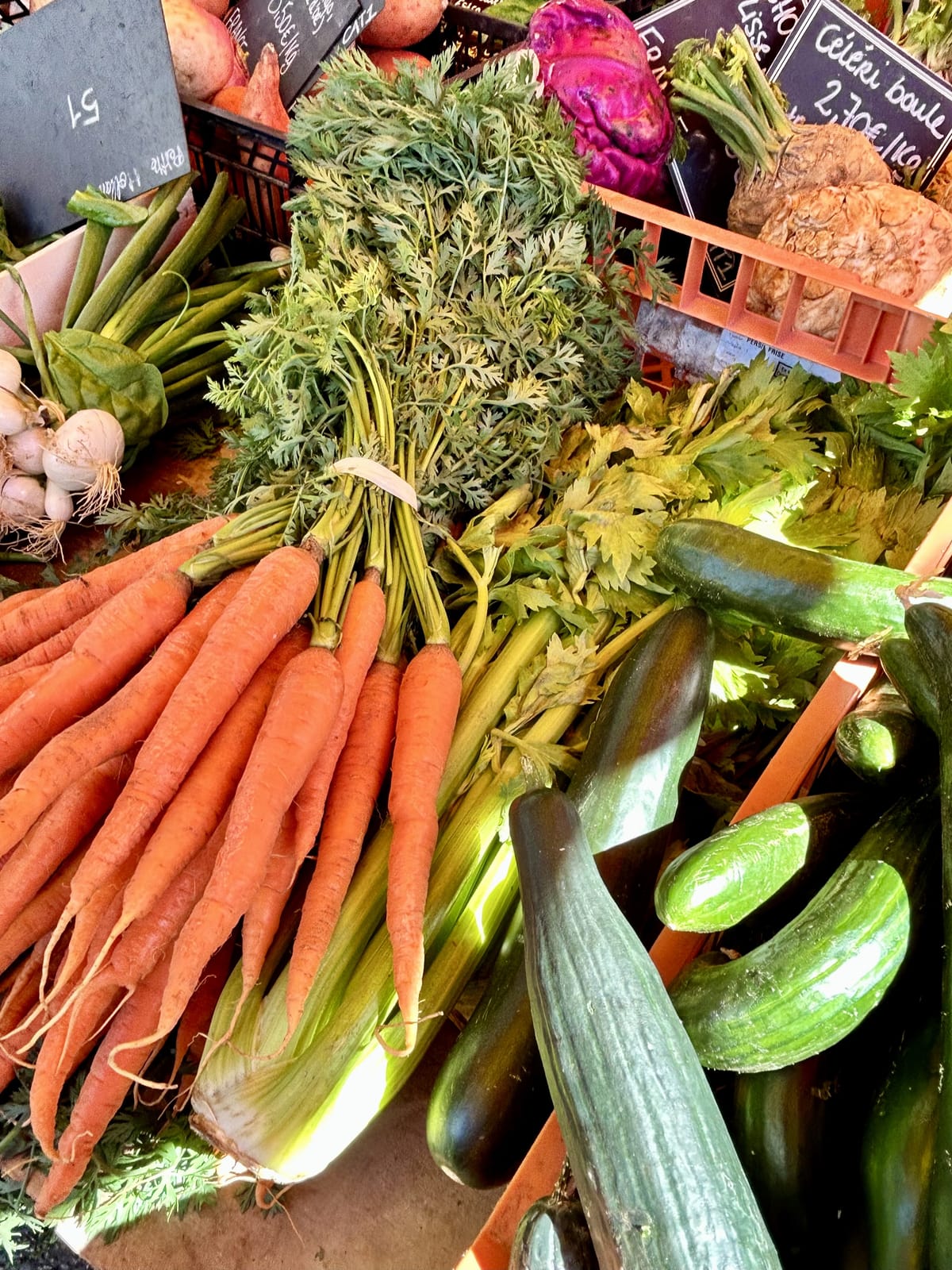
One of the first recipes I shared kind of sums up how I like to cook: fast, simple, good. The French are strangely passionate about carrots, but, carottes râpées is a very solid summer salad.
Might even make you like carrots.
Might make you like the French.
Growth opportunity and solving what to bring to your next barbeque.
 Finding Home Elsewhere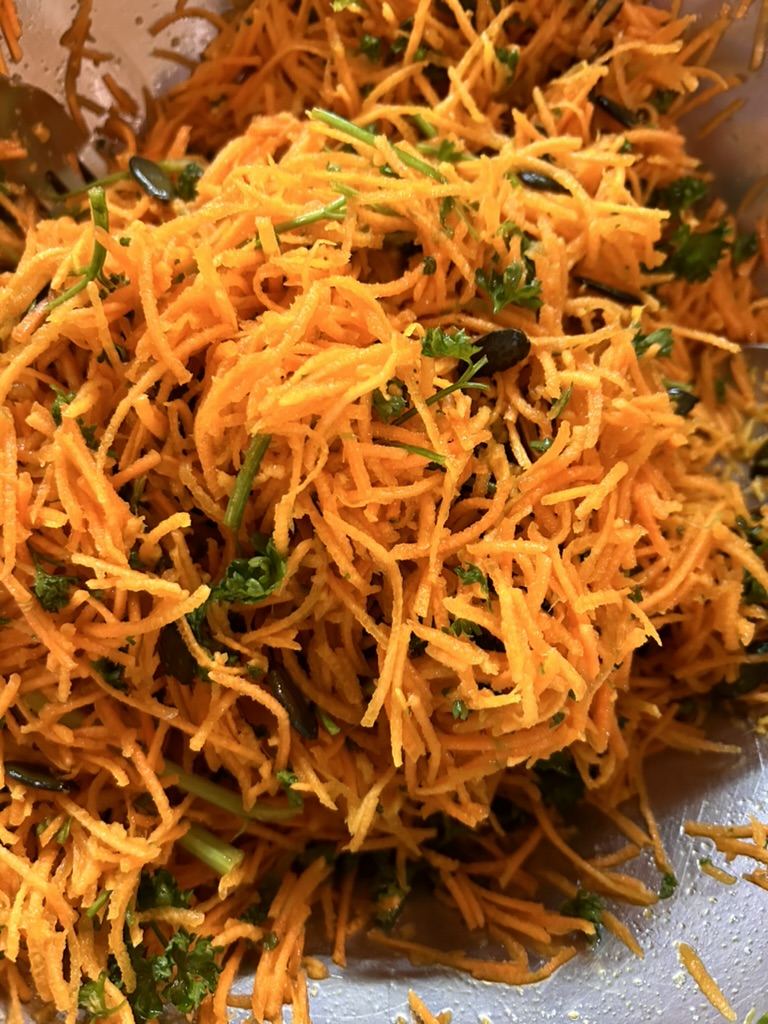
Other food stuff I’ve enjoyed:
Writing about wine, foraging, lentils, sandwiches. The weird, grounding stuff. The stuff that says something bigger about how we live and where we are.
Writing about wine, foraging, lentils, sandwiches: odd, but grounding stuff.
- The Future of Wine — on shifting tastes, climate pressure, and what happens when terroir changes shape
- Champagne Problems — why the sparkle is bad
- Simple Lentil Salad & Legacy — family history in a bowl
More are coming. I’ll be reposting, revisiting, expanding. Maybe even doing audio or classes around some of this. If that sounds interesting, let me know.
Et donc…?
I’m going to try to produce some more focused topics next: life abroad, the bureaucracy, the food, the weirdness.
Tell me what you want more of.
What’s surprised you about living outside the U.S.—or about wanting to?
If you’re also piecing together a new life after leaving something behind, I’d really like to hear how that’s going.
Coming Soon
· More stuff out of the archives.
· Claude McCay in France
· French language tests! Boring! Important!
· Maybe sandwiches again.
· Always music
· Or salt-marsh sheep again. I love those guys.
Almost Totally Unrelated Footnote
Plenty of retirees moved to Ecuador chasing affordability and good vibes—only to get caught off guard when organized crime filled the power vacuum. It’s worth reading up on if you think government stability is boring.
If you want to get into Ecuador, check out this article – an excellent, recent summary of the situation. ↩
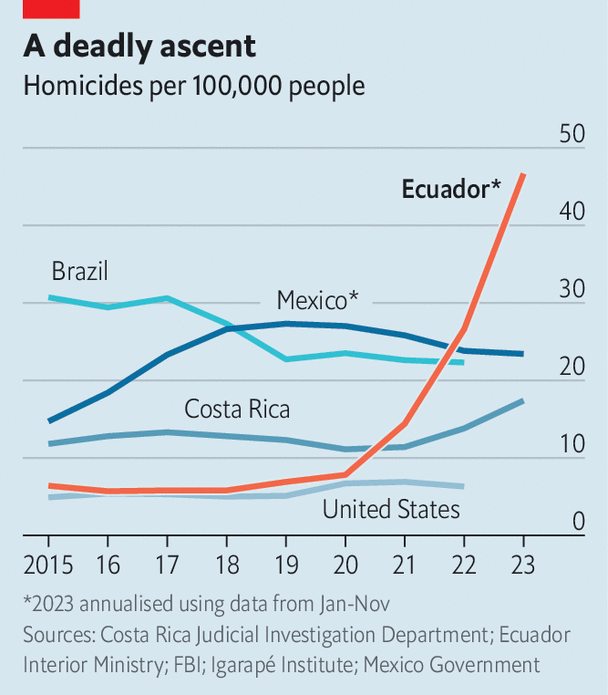
We moved in 2021 - a lot has changed in Ecuador in that time…