Nantes Cuisine: Muscadet, Mâche, and the Magic of Beurre Blanc
A bit About the Loire’s Coastal Bounty and Culinary Simplicity
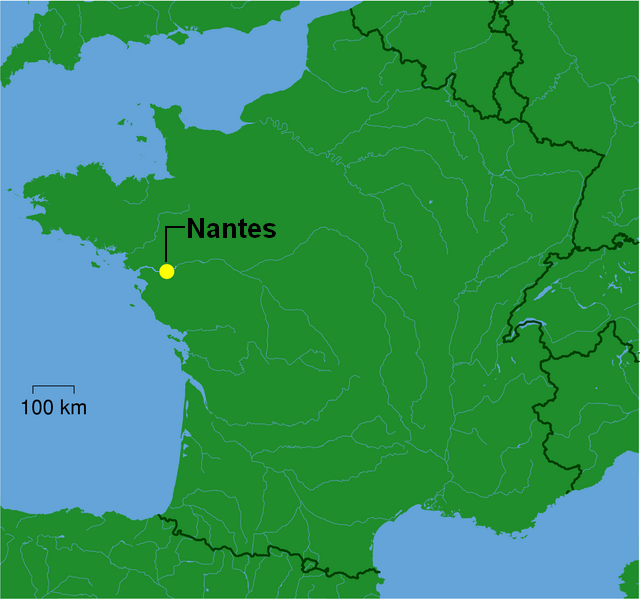
Nantes, nestled at the meeting point of Brittany and the Loire Valley, does offer some unique dishes, even though it doesn’t seem to have much of a reputation. Yet local seafood, buttery sauces, and vibrant wines highlight its maritime history and the vineyards of the western Loire valley. Fresh caught oysters and seafood meet with crisp Muscadet wine, another underrated flavor of the area, the cuisine focuses on simplicity and freshness, echoing the country’s broader “what grows together goes together” philosophy.
Food where I live
We live in Nantes right now. It seems to be a bit overlooked as a destination, but we like it. Still, at least once a week, someone asks me some variation of “why do you live here?”
All of this seems like a matter of branding to me. Nantes offers a really nice quality of life and it’s not just luck, but a matter of directed public policy. An American made a short video about it recently. This is not Paris, Lyon, Marseilles or Bordeaux, cities which all have a more storied culinary history, but
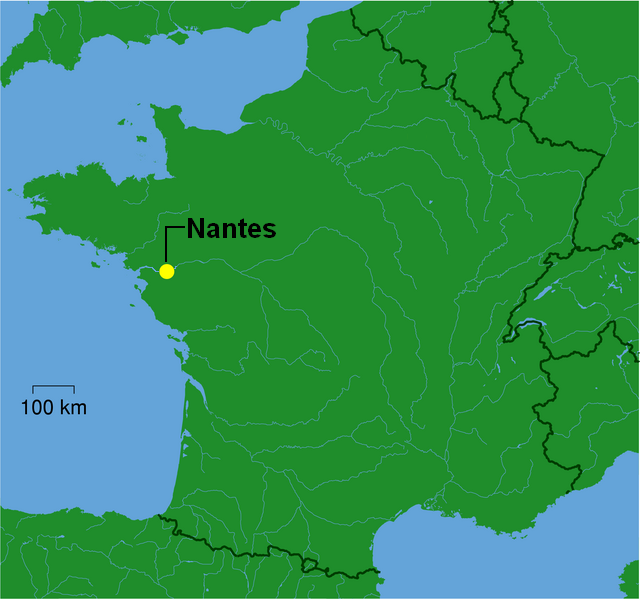
The city is the capital of Loire-Atlantique, where the Loire Valley meets the Atlantic Ocean in the Pays de la Loire region. Together with neighboring Brittany (Bretagne), this area supplies over half of France’s seafood, with Brittany contributing about 40% of the nation’s catch and Pays de la Loire adding another 12%. Seafood plays a starring role in local cuisine, but like so many other French dishes, it is not flashy, but quality ingredients prepared well, tasting of what they are.
simple recipes, clear flavors
Beurre blanc is the area’s signature sauce, which is really not a flashy recipe, but it’s an easy way to elevate any dish. A few tweaks like citrus or fresh herbs make it shine.
Some gourmet types might view the local cuisine as rustic or straightforward compared to the more intricate traditions of regions like Lyon. Historically, not many famous chefs have come from the area, with the exception of Édouard Nignon (1865–1934), born in Nantes. That has been changing, but few storied chefs have originated in the city. Nignon is best known for his cookbook Éloges de la cuisine française, which emphasized deglazing with water, clear broths, and “parsimonious” seasoning.
His philosophy may have been shaped by regional tastes, as Nantes proudly claims some very mild dishes and ingredients as its own. The "what grows together goes together" rule applies, highlighting the understated treasures of the local cuisine, all of which seems to go well with local Muscadet.
A few high-quality ingredients are staples here and have become personal favorites - wine, butter, and vinegar in various combinations just happen to be some of my favorite things. All of them quite readily pair with Muscadet.
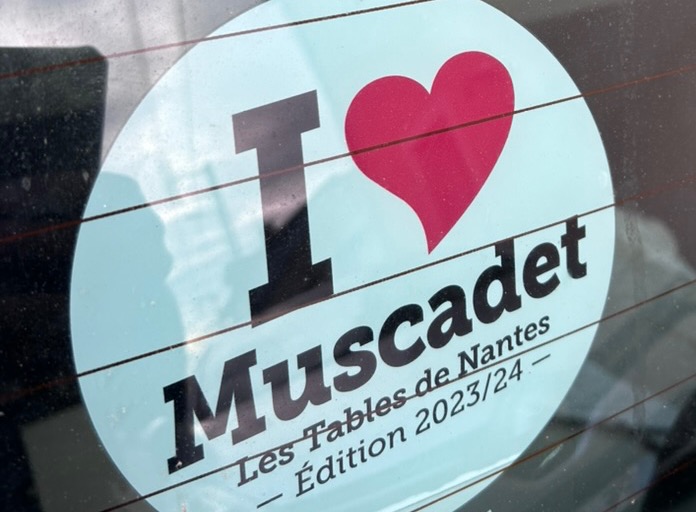
Muscadet (AOC)
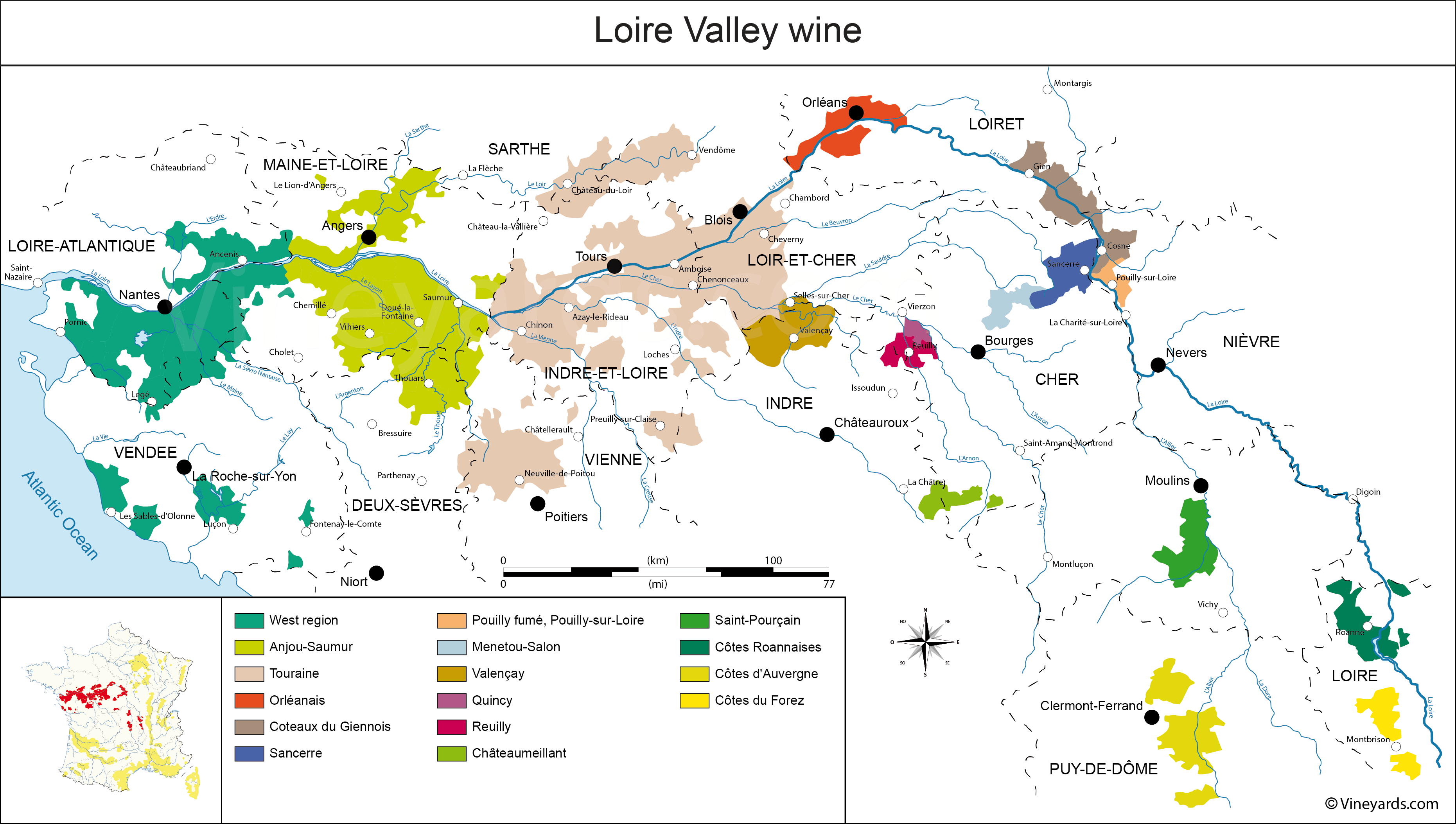
Muscadet is the typical white wine from Nantes section of the Loire Valley. Made from Melon de Bourgogne grapes, this crisp, dry white thrives in the region’s maritime climate. I prefer Sur Lie versions, aged on their lees (spent yeast), to gain richness and complexity while keeping their signature freshness.
Muscadet has had AOC status since 1937, but a reputation as a “cooking wine” among French people, though that impression is changing. Here, you can buy excellent Sur Lie bottles for as little as €6, while in the U.S., you might find a decent version that occasionally pops up at Trader Joe’s for as little as $12.
It’s a bit like a Chenin Blanc or Grüner Veltliner, both more easly found in the US: an affordable refreshing white wine.
Of course, Muscadet has its own protective brotherhood since 1946. The wine associations always seem to be larger than the lentil or onion protection societies.
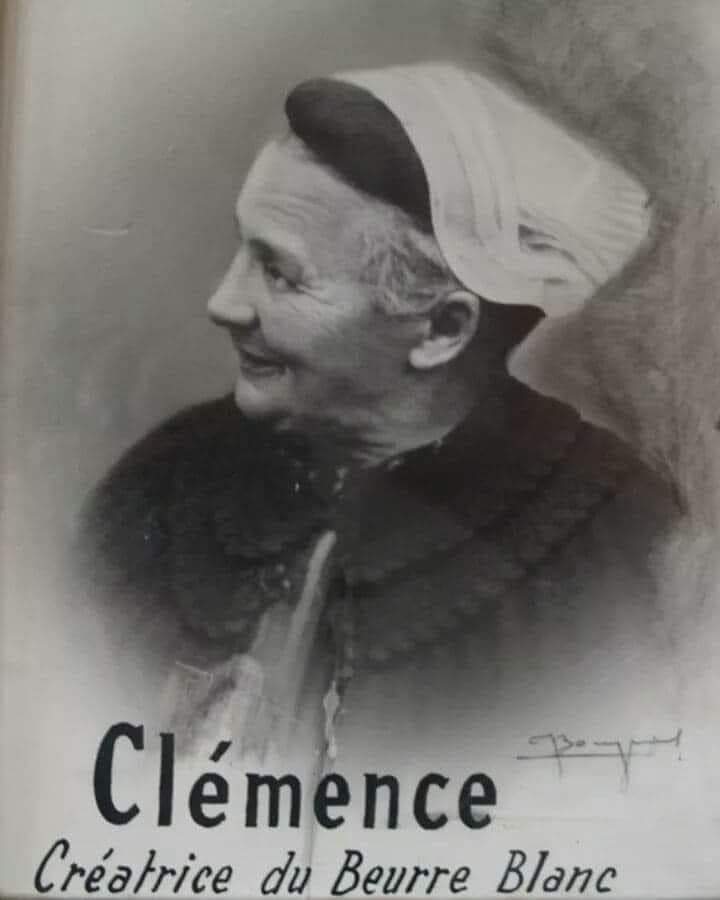
Typically, you’ll find oysters for sale every day of the week; moules marinières (mussels in white wine, garlic, and butter, among others); fish like sandre (pike) or bar (a sea bass or branzino), finished with beurre blanc, a sauce invented by Mme. Clémence Lefeuvre in a small town nearby.
For desserts, which are almost legally required, Gâteau Nantais, an almond cake infused with rum – from the city’s historic ties to the Caribbean and, unfortunately, to the slave trade (a complex topic for another day).
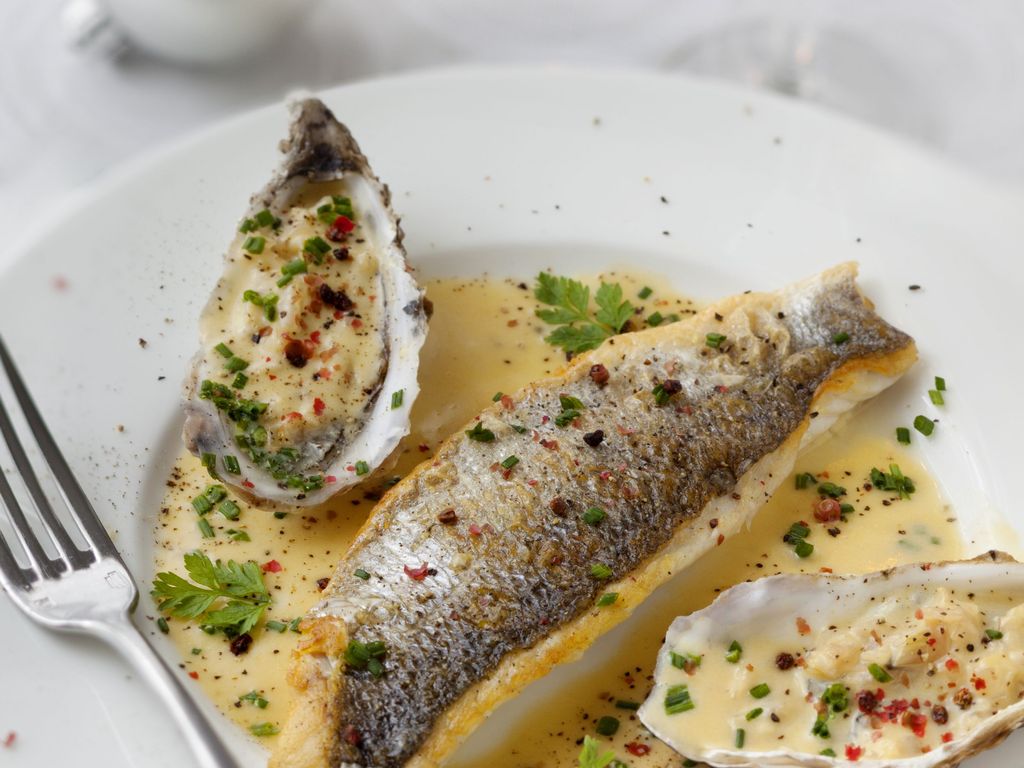
Bar au Beurre Blanc (Sea bass with “white butter”)
A simple recipe that does nice thing: buttery, tangy & perfect for any white fish.
Preparation Time:
20–25 minutes
Serves: 4
Ingredients (Serves 4)
- 4 fillets of bar (or bass, cod, halibut, or snapper)
- S&P to taste
- 2 tablespoons olive oil
For Beurre Blanc Sauce:
- 2 small shallots, finely chopped
- ½ cup dry white wine (Muscadet, if you have)
- 3 tablespoons white wine vinegar
- 1 cup (2 sticks) cold unsalted butter, cubed – again, quality butter makes a difference
- Salt to taste
- Capers, optional – but I like
- Chopped flat leaf parsley
- Finish with squidge of lemon
Instructions
- Cook the Fish: Season fillets with salt and pepper. Heat olive oil in a skillet and sear the fish for 3-4 minutes per side until golden and cooked through. Remove and keep warm.
- In the same pan, combine shallots, wine, and vinegar. Simmer until reduced to about 2 tablespoons.
- Lower heat, whisking in butter slowly, until sauce is smooth. Salt to taste, lemon.