Minitel: The French had an Internet 10 years before the rest of the world
France had an internet years before the United States did: Minitel, an early, centralized information network that was hugely popular.
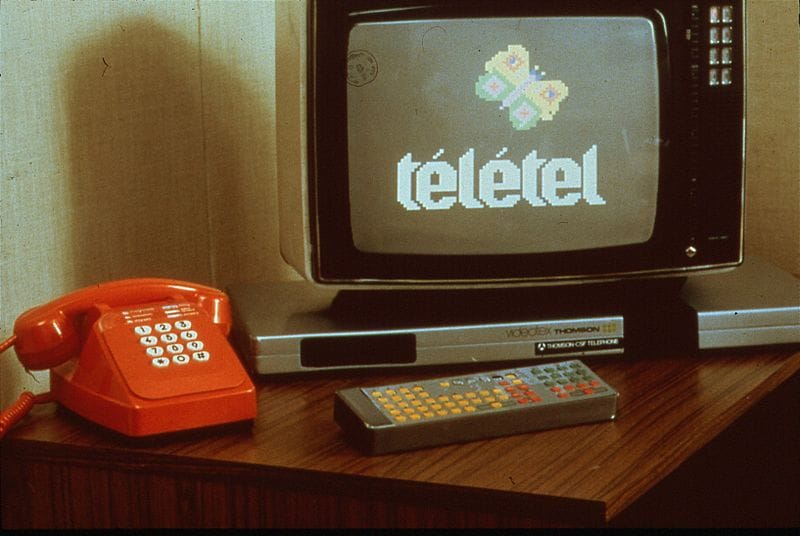
In the late 1970s, France’s telephone network was considered one of the worst in the industrialized world, with fewer than 7 million lines serving 47 million citizens. Updating the networks became a matter of national security – a national plan was developed to digitize the telephone network, which was very centralized in one company of the era: France Télécom.
I find Minitel fascinating, especially having lived in New York as the internet grew into what it is today.
Thanks for reading! This post is public so feel free to share it.
the internet seems different in France
In NYC, everything is mapped, documented, and reviewed a million ways to Sunday. Parsing reviews is second nature, but there’s also this deep trust that you won’t get lost, that the restaurant will actually be open when the website says it will, that information is constantly refreshed.
That level of granular, obsessive updating almost feels like a local cultural trait.
It’s just not like that in France. I’ve been amazed by how often the internet here feels out of date—maps, reviews, even photos, sometimes entire roads or buildings.
Not always, but often enough that I don’t fully trust the internet in France. And that might not be such a bad thing.
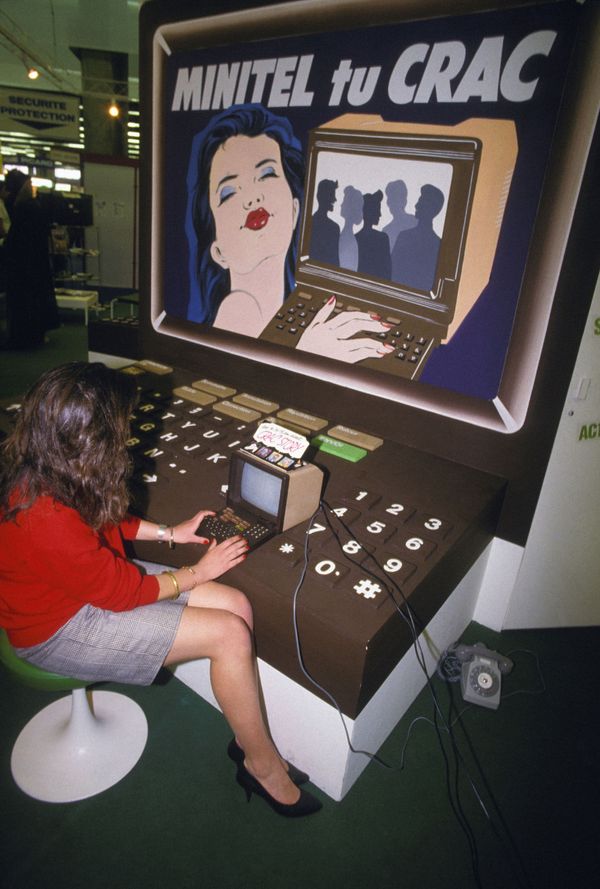
Minitel was launched in 1982.
By the time the Internet began reshaping daily life around the world in the early 1990s, France was following a different digital path. Deeply influenced by the success of Minitel—a domestic online network years ahead of its time—France developed a unique relationship with new technologies.
While countries like the United States rushed to embrace the decentralized chaos of the open web, France moved cautiously. Part of this hesitation was structural: the country had invested billions into building a centralized digital infrastructure, with state-supported initiatives dominating access and innovation.
More cool retro history bits in your inbox! Get some!
The idea of centralization was almost oppositional to the concept behind the internet in those days. For many years, Minitel was studied as a way to not build a system, but that is changing. You can get a slightly more technical writeup of that history here.
There were also cultural hurdles. Much of the early Internet was English-speaking, favoring American tech culture and values that didn't always align with French priorities around protecting the French language, data sovereignty, and national identity.
Further skepticism about privatized, deregulated networks, and the slower adoption of the Internet in France starts to make more sense. This tension between state-led modernization and emerging global tech trends would shape the trajectory of France’s Internet for decades - and Minitel is part of the reason why.
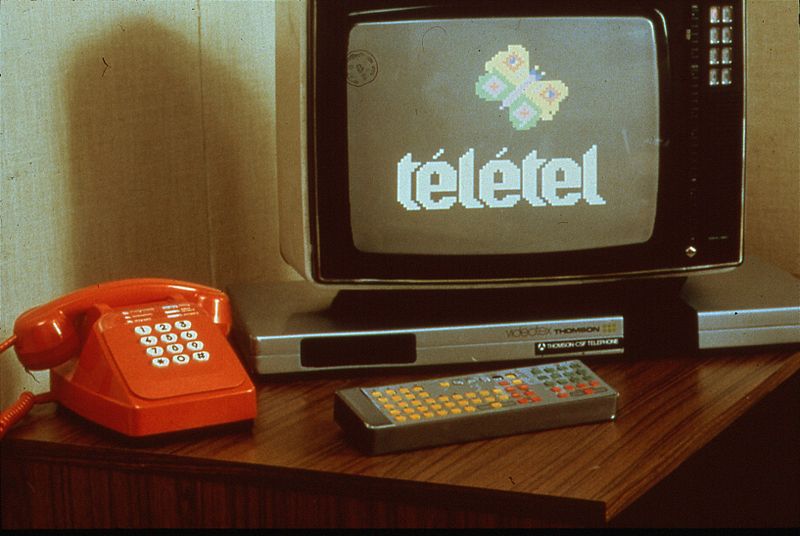
Minitel's terminals were free or cheap to rent. People were charged for service usage, by the minute, and it was added to the monthly phone bill, in the same way that phone service was changed for time and distance back in those days.
It was also in French, where the internet was overwhelmingly in English, which made a difference.
alternate visions of a digital future
In some schools in the US, Minitel and other systems like it are studied to show how other kinds of internet systems might have worked.
The Minitel and Internet models are diametrically opposed, really. Minitel was a closed network, set up and closely controlled by the State whereas the Internet was a decentralized and open system. On some level, the two models were almost philosophic opposites.
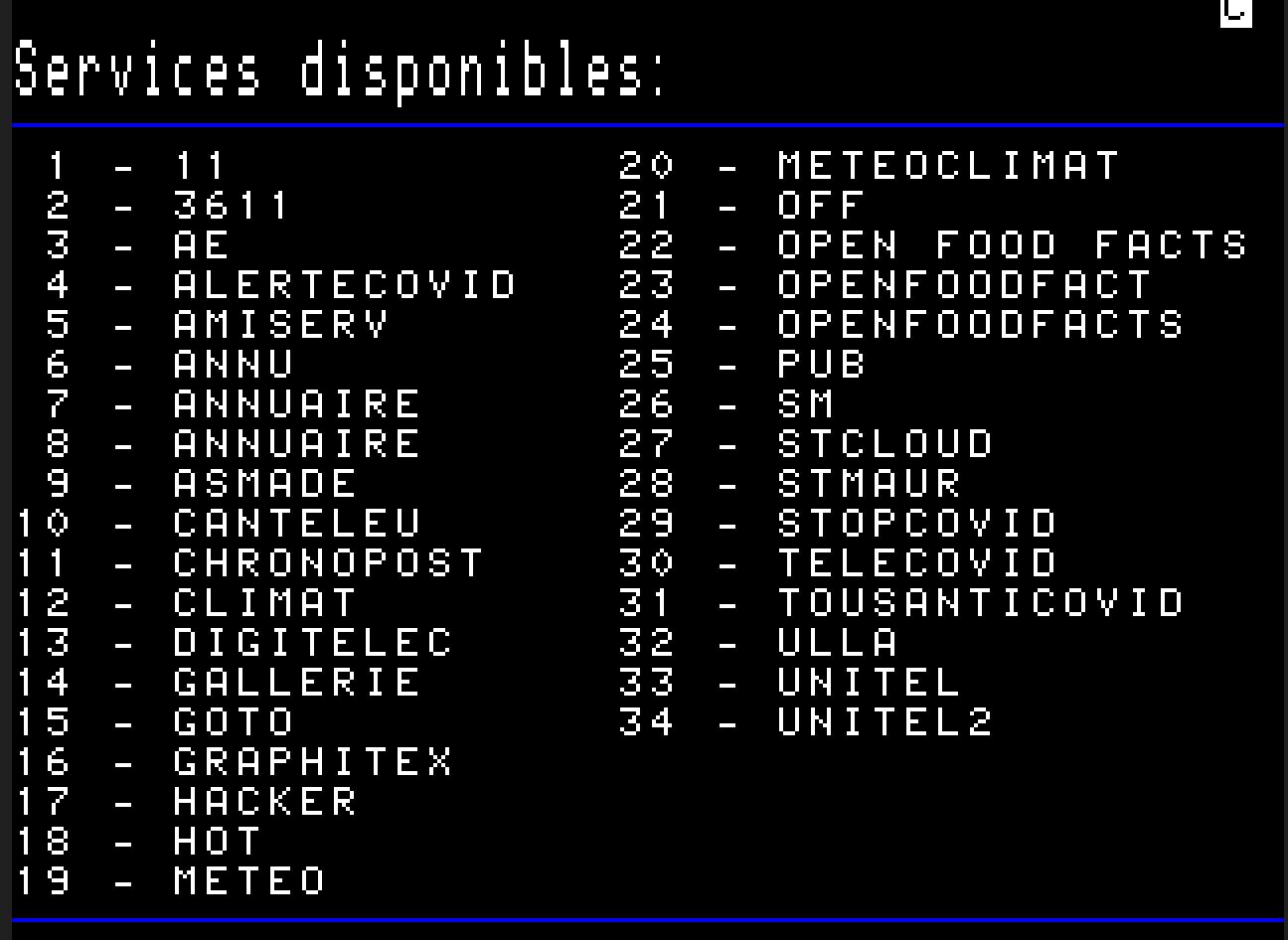
Minitel started as a purely numeric interface: people could punch a series of numbers, like “11” for the postal service, “19” for the weather along with their zip code for updates, and so on. It was pretty basic at first, but the government creating a centralized network in a few years as they modernized telephone lines around the country.
This emulator can give you a sense of what it looked like – and it works!
The "kiosk" model, introduced in 1984, allowed businesses and media companies to offer services even more easily.
By the mid-1990s, Minitel supported over 25,000 French services - a huge revenue generator for both France Télécom and businesses using the platform.
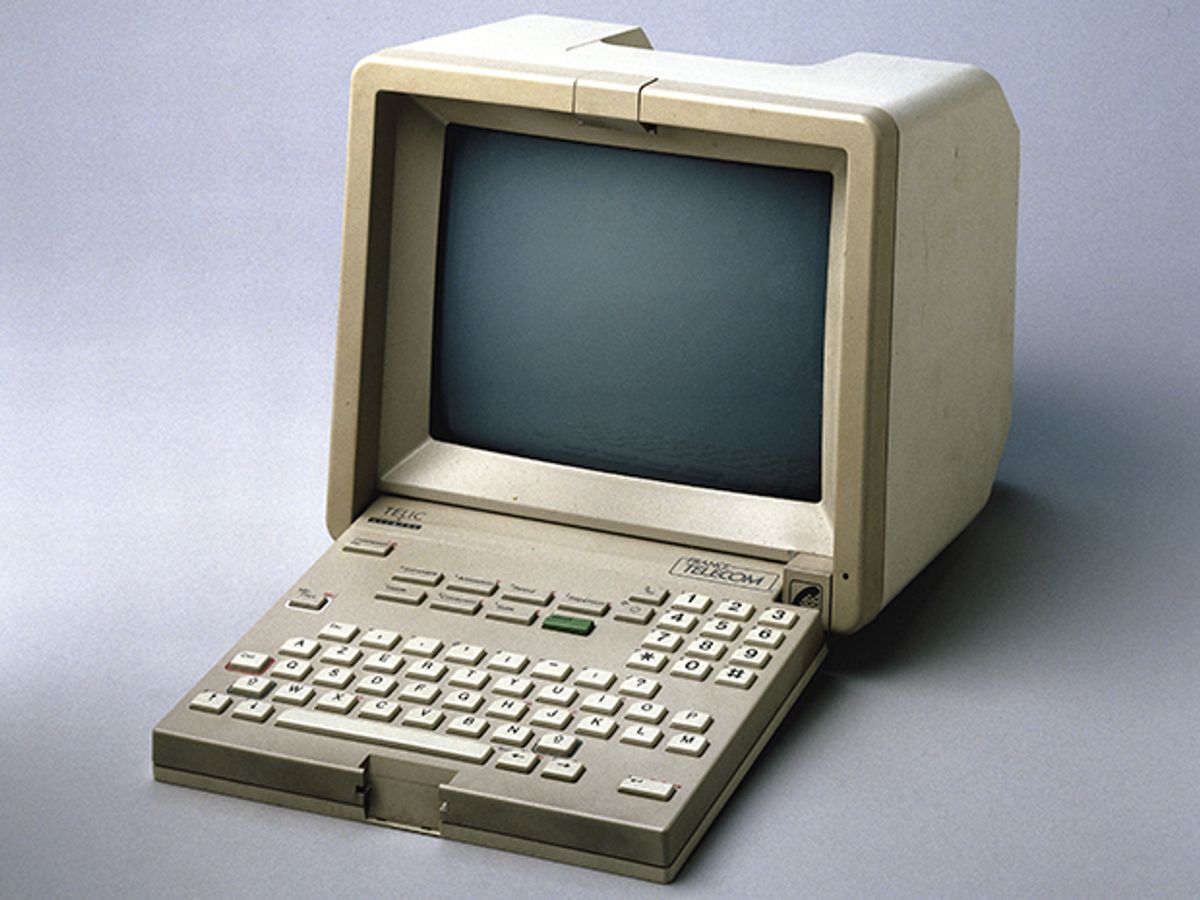
the wild rose of minitel
One of the most popular features was its “pink messages” or messageries roses, the adult chat services. At its peak, Minitel had 25 million users. Chats were nearly 20% of overall traffic on the network, and they were overwhelmingly pink messages.
Minitel Rose offered various forms of communication, including live dialogue through short messages, email-like messaging between users of the same server, and classified ads. The anonymity and lack of user identification allowed users communicate discreetly. This sector became highly profitable, with billionaire entrepreneurs like Xavier Niel making fortunes from it.
To increase profitability, some service providers used simple chat robots to engage customers in prolonged fake conversations and to simulate interaction, extending the length of time users were connected, increasing revenue. I have no idea what those chats might have sounded like, but a lot less sophisticated than today’s bots.
Remember the 900 numbers of the 1990s? $5 a minute!
Some companies would duplicate users from multiple services to make it seem like they had a much larger, more active user base. These practices were rife on Minitel Rose and caused issues for both users - and their families.
Despite some initial official discomfort that the French government was, in effect providing adult services, France continued to support its development – after all, it made a lot of money.
Minitel’s Long Goodbye
At this time, the internet in the US was still nascent. When it became mainstream, the continued success and profitability of Minitel slowed its acceptance in France. There just wasn’t a need - Minitel was still doing what most French people wanted it to do.
The government had invested a lot in Minitel and wasn’t ready to just drop it. Again, the internet was overwhelmingly in English while Minitel’s was in French. It was a matter of national pride, security and usefulness. Also, coding it was a bit trickier as many languages still have more of a connection to English syntax than French.
Minitel maintained 10 million monthly connections as late as 2009 before development was discontinued in 2012. Minitel terminals can still work if plugged into a physical phone line, complete with old data and businesses that still utilize the system.
There were probably a few lingerers on the pink pages as well. Certain services, like the post office and several French newspapers are still updated occasionally.
In some US universities, Minitel and other systems like it are still studied to show how alternate internet systems might have worked.
There are fans who keep it alive today, including a dedicated dial-up number maintained just for that purpose. There are good emulators available as well: I like Retro Campus.
Computer World - Kraftwerk (1981)
Normally I stick to French bands, but "Computer World" by Kraftwerk (1981) feels too perfect to ignore — a pioneering electronic track that imagined a connected digital world before it existed, mirroring the era when Minitel was rising.
Listening to this again, it’s oddly prescient.
Retro Future
For those who want an even deeper dive, check out the notes on this video. He jokes about it, but seems to be a big admirer of its retro (once upon a time) utility. And the hacking culture around it is fun.
Hey! I hope you found this interesting - if you like, Share it with others and leave a comment or a suggestion below. I’ve been looking for one of these to mess around with just because I love their 80s blocky look.
Thanks for reading!