Living with the Sounds of France: Protecting Rural Life from City Noise Complaints
How France’s Sensory Heritage Law Defends Cows, Roosters, and Frogs from Newcomer Lawsuits
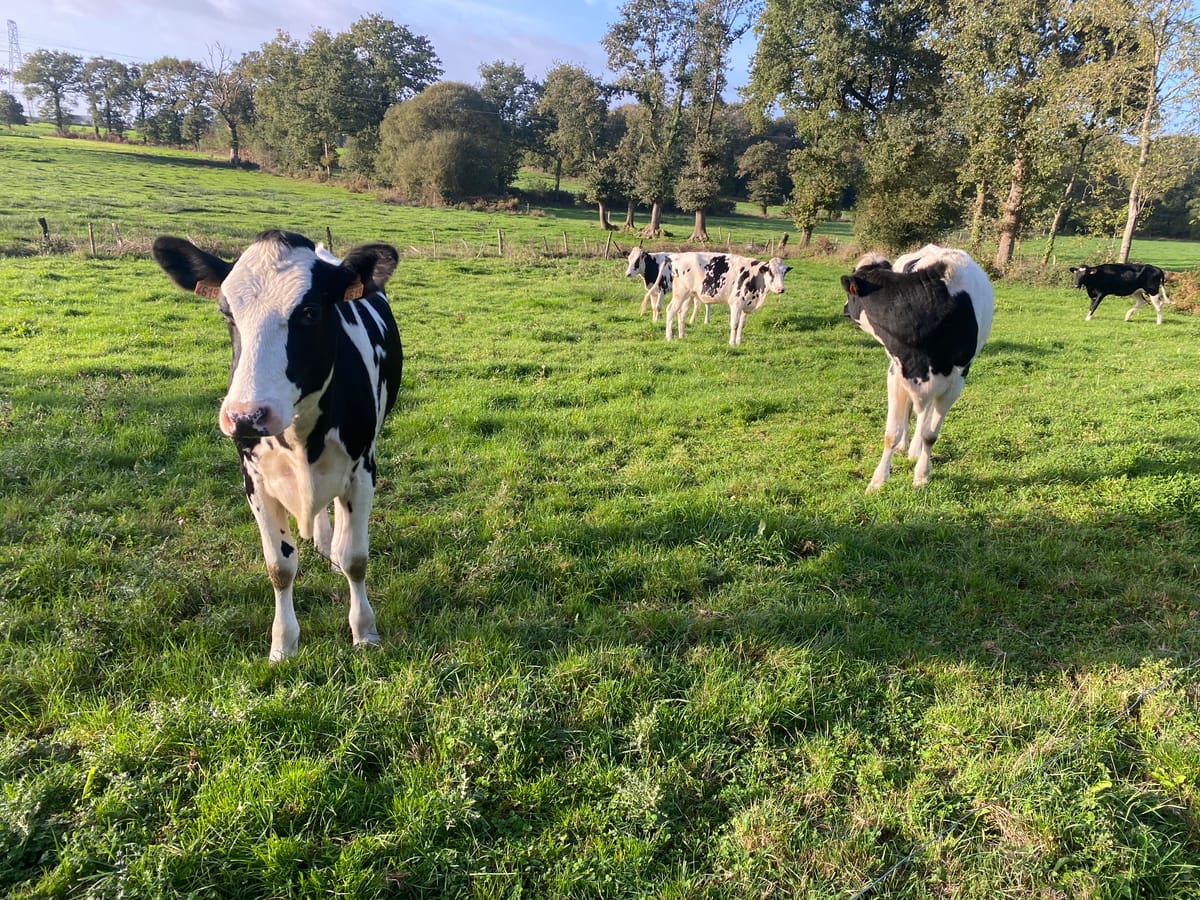
France’s idyllic countryside has always been synonymous with its distinctive sounds—cows mooing, roosters crowing, and the occasional croak of frogs by the pond. But as urbanites seek refuge in rural areas, many bring with them expectations of quiet that clash with the natural rhythms of farm life. Complaints about these rural noises have overwhelmed courts, leading to the introduction of France’s new “countryside sounds and smells” law. Inspired by the famous case of Maurice the Rooster, this law aims to protect the sensory heritage of the countryside, though tensions remain as newcomers struggle to adjust to their new, noisier environments.
France’s “countryside sounds and smells law” aims to protect farmers from newly arrived residents in the country.
This has been a problem for a while now.
There’s no clear legal definition of ‘noise nuisance’ among neighbors in France, but that hasn’t prevented many people moving out to the country and then suing their neighbors over it.
Every year, hundreds of complaints, mostly from urbanites relocating to the country, are lodged over mooing cows, crowing roosters and other sounds of the country. They’ve burdened the judicial system so much that parliament enacted a law this week to prevent these cases from ever going to court. French courts have been jammed with complaints like this for years.
Many are not sure a new law will stop any of this.
Grievances filed include:
- Noise from cows and roostes
- farming machinery sounds (tractors)
- Olfactory offenses (manure)
- Noise from local businesses (pizzerias, bars)
Maurice the Rooster’s Law
There already was a law about this in France.
A few years back, Maurice the Rooster became a symbol of barnyard rights in the cultural clash between urban and rural France in a high-profile legal case that had extensive coverage here. Maurice lived on the Île d'Oléron, a small island off the west coast of France about 2 hours south of Nantes, where we currently live. His morning crowing became a point of contention when new neighbors who had moved there from the city filed a complaint. They claimed Maurice's crowing was a disturbance of the peace.
The case quickly escalated and captured national attention. Locals and rural residents across France rallied and protested in support of Maurice and his owner, arguing that the sounds of livestock are part of the rural landscape and should be respected by those who choose to move there. This was the start of the Sensory Heritage Law, to protect the “sensory heritage of rural France,” like Maurice.
In September 2019, the court ruled in favor of Maurice, allowing him to continue crowing. The judge's decision was seen as a victory for rural communities and their right to maintain traditional ways of life, including agricultural practices and the keeping of livestock. Yet lawsuits continued.
Maurice died, but his problem remains
Just last year, police were dispatched to remove three frogs in the pond of a 92 year-old woman in the small village of Grignols, completely on the other side of the country. This is not the only frog complaint police have responded to as new residents complain of “animal noise pollution.”
The neighbor, who had moved in near to the woman’s home, complained that croaking frogs were too loud, especially during the breeding season in spring. The situation escalated and the court decided in favor of the neighbor.
The frogs’ removal sparked public outcry and more media attention. People said the frogs' croaking was a natural and integral part of the rural soundscape. The case was appealed, but the fate of the frogs is uncertain.
Parliament had passed the Sensory Heritage Law in January 2020, to protect the “traditional rural sounds and smells” of France - recognizing them as “an essential part of the country's cultural legacy and rural identity.”
And yet complaints persisted. Beside Maurice and the nameless frogs, many ducks, geese, cows and cicadas have all had legal action taken against them or their owners in recent years. While the new law seeks to limit these things, it’s unlikely to stop these people from complaining.