Leaving Education... continued: Letting go of the Grind, Escaping the Spreadsheet Void
After years in the American public school system, an unexpected email from my old principal reminds me of the pressures I’ve left behind and the new path I’ve found
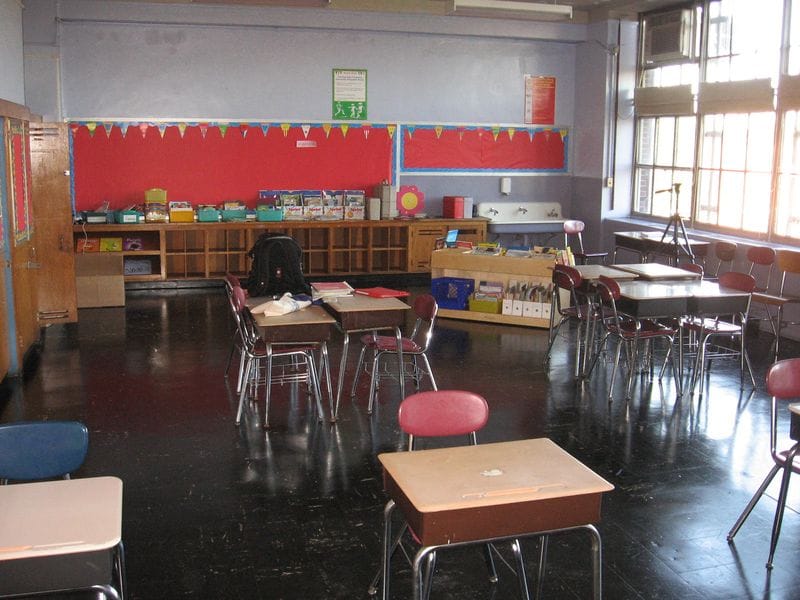
This is not about France, really: it is about how I left the US and wound up in France, of all places. This is a part of a series.
K
Not So Great Expectations
I got an email from my old school this week from Ms. Taylor, my former principal. I was a little freaked out at first, because there was no reason for her contact me. Like, never. And any time that she had been in touch with me when I was working, it was almost always a problem. Seeing her name in the header was triggering for a second.
In the end, they simply hadn’t cleared me off the email system - after nearly 3 years. It’s just Gmail, so maybe they weren’t too thorough about it. For a while, these emails were all it took to turn my days off into anxiety for the week ahead.
Every Sunday evening, Ms. Taylor sent out a message to all staff: The Weekly Inspirer. There were some new names on this new one, but the message seemed pretty much the same.
The emails outlined another long list of tasks, piling on top of our regular duties. If it was actually helping someone among the staff, I had no idea whom. It felt more like she was proving to her bosses that she was "Effectively Communicating with Staff" than actually engaging with us. Worse, it felt like an intrusion into our personal lives, a reminder that we should be thinking about work, even when we weren't there.
It was the opposite of French culture. When I showed it to a few French friends, they were outraged. “This isn’t legal!” one said.
But in NYC, it was just routine.


Happiness is the last day of school
I must have deleted the previous ones, as the last email in my inbox was from June, three years ago. An end-of-year message with some lighthearted, albeit sanitized, humor and a few clever quotes about wrapping up the school year.
“Happiness is the last day of school!”
“A teacher’s 3 favorite words: June, July, and August,”
…and so on. Not funny, safe. The same kind of humor that keeps Family Circus going (yes – it is still going!).
Beneath the attempts at humor, there was still an unspoken expectation that, no matter how much you were already doing, there was more to be done. Work was inherently virtuous; it defined your worth. The hardest workers were always seen as the best people.
Again, this is far from a French perspective. French culture tends to value work-life balance much more—or at least that's the image they promote.
As I read it, I was amazed it was still happening, but even more amazed that it had continued after COVID in the first place. At this point,she had to have launched off about 150 of these messages, or more.
Before COVID, I regularly graded 150 papers twice a week, sometimes more, following revisions. Teaching English meant a lot of writing assignments, at least the way that I taught it, but no one seemed to care. I believed it was essential for students to learn to write well, a process that requires time and effort, but few in the administration seemed to notice. This was true of many of my supervisors over the years I had the feeling that I was never teaching the way that they wanted to: my students learned to write well and to read critically.
Then came the spreadsheets. Did I really need to document all my comments? At 2 minutes per paper, that was 5 hours of grading—and 2 minutes never happened. Keeping up felt impossible and it was the same after COVID and the lockdowns.
Months would go by without any comment on my work, any individual students, or writing or reading. Yet, if the spreadsheets weren’t filled out, I’d hear about it immediately. Admin visits were rare, but they always spiked tensions, especially after the previous administration’s intimidation tactics left everyone on edge. Ms. Taylor, though a new principal, didn’t seem to understand that the role itself still triggered those ingrained responses whether she smiled or not.
And every week, without fail, yet another spreadsheet appeared.
One of the last times I really looked at those spreadsheets was in June of my final year. We received yet another reminder about assessments that week.
With less time than ever to make an impact after lockdowns, the administration was still focused on pushing these tests. So were their administrators and I guess the ones above them. This had to have started with somebody, right?
The scanned assessments took up 3 of my 5 teaching days that week.
During a prep period the next day, my co-teacher, Ramos, pointed something out to me.
"I've got a lot of spreadsheets like this. See all these blanks?” He sighed, gesturing to his colorful spreadsheet, where all the blanks were highlighted in green—ironically making it look positive. “Do you think they made them green so if someone glances at it, it'll seem good, not bad?”
“Maybe,” I replied with a half-hearted shrug. “But I'm out, remember? I’m done with this.”
He grinned. “Right. See you next year, though, right?” It had become a running joke—people said they were leaving every other week, but rarely did.
Ramos wasn’t wrong. Even before COVID, half the students weren’t showing up regularly, and when they did, they came with challenges we weren’t equipped to handle. “Sarah cursed me out at least eight times,” Ramos said. “Total showstopper, but at least she showed up.”
Anyone who taught Sarah had similar stories. We weren’t equipped to support her, but we might have been the most stability she had. Ramos pointed to a blank green space on his spreadsheet—Sarah’s missing data for the last nine months.
I had Sarah too. A nice girl when things were stable, but those moments were rare. Her tough home life showed up in the classroom through absences, outbursts, and meltdowns. It was easy to sympathize but hard to teach.
“I’m rubber, you’re glue.”
- management
Ms. Taylor’s response was always the same: “How are you managing your classroom?” Every principal seemed to use that phrase, shifting responsibility back onto the teachers. It was the default, as if managing kids like Sarah could be solved with some magic strategy. But it never addressed the real issue—overcrowded classrooms, understaffing, and the lack of mental health support.
After COVID, no one knew where Sarah was. Yet her space in the spreadsheet was still green, just like many others.
What struck me about the email was that it asked for the same things as always, as if nothing had changed. We were still collecting data.
It’s ironic - teaching was the one thing that kept me in NYC, though I never planned to stay. When I got the job, I told myself it would be for five years, then I’d move on. The job worked for a while, until it didn’t.
Seeing another "Weekly Inspirer" in my inbox reminded me of the constant pressures I’ve finally let go of. Letting go of that nagging guilt of always falling behind has been a process. I don’t think many of my former colleagues would understand, though. Ramos gets it—he’s watched me go through the whole journey of moving abroad. It’s different now.
Moving abroad has given me the space to release all of that stress - not that there aren’t other stresses, but they’re more personal and less systemic. I’m getting back into teaching, but in a way that feels right—no spreadsheets, no constant rush.
There’s so much more to it, but it’s the grind I definitely don’t miss.