Immigration: the Secret Ingredient in French Food
Colonial Trade to Kebab Shops, France’s Cuisine has a more complex history
French food has a reputation abroad—buttery, rich, full of rules—but if you eat in France long enough, you start to notice something: some of the most beloved dishes, ingredients, and eating habits don’t actually come from old-school French cuisine at all, despite that being influenced from other parts of Europe as well. Instead, they come from North Africa, the Middle East, West Africa, and Southeast Asia, thanks to migration from former French colonies.
In general, people do not like to talk about colonialism here. It might be like bringing up slavery in the US.
But that doesn’t mean its influence isn’t immediately apparent.
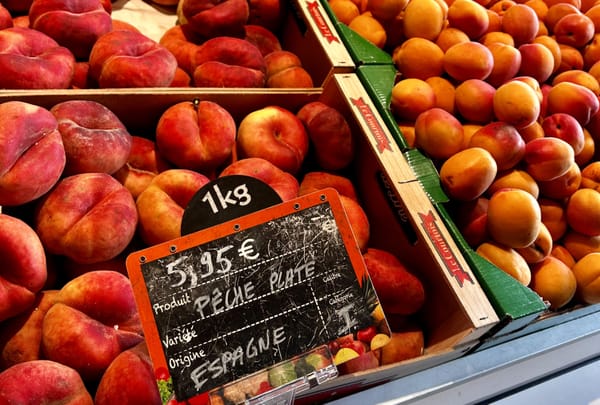
It does seem to be more obvious during Ramadan, when supermarkets carry special items in recognition of one of the most important times of the year for Muslims.
There is a shift, even in the smaller city of Nantes—suddenly, there are dates sold everywhere, some bakeries add honey-soaked pastries, and there’s (even more) merguez. Ramadan is a clear reminder of how France’s colonial history has shaped French food culture.
We Are Here Because You Went There
The phrase "We are here because you went there." is often used in postcolonial discussions about immigration. The presence of Algerians, Vietnamese, and Senegalese communities in France isn’t random—it’s a direct result of colonial history.
France extracted resources, labor, and culture from these regions for centuries. Later, when it needed workers, it encouraged migration from them as well.
People often avoid discussing France’s colonial past, which isn’t surprising—the U.S. has its own historical taboos, from Indigenous genocide to slavery.
But in France, colonial history is hard to ignore when couscous is a national favorite, kebabs are everywhere, and harissa sits next to Dijon mustard—even in rural supermarkets.
- Couscous, a staple in France, reflecting over a century of colonial rule in Algeria, Morocco, and Tunisia. A soirée couscous is as common as Sunday roast chicken.
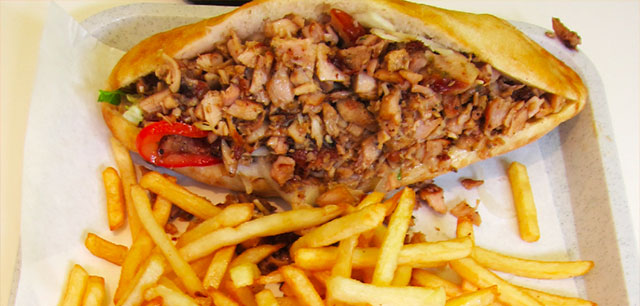
- Kebabs, the king of French street food, came with Turkish, Lebanese, and North African workers. Kebab-Frites.com, a dedicated site, lists 76 places selling Kebabs in the smaller city of Nantes.
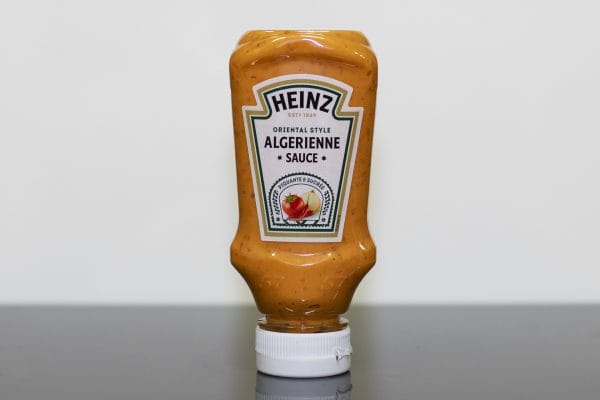
- Harissa, once a North African chili paste, now sits in grocery stores next to Dijon mustard.
- Bánh mì, phở, and bo buns spread across France with Vietnamese migration, a legacy of French Indochina. And the fact that they’re darn tasty.
And the list goes on.
Ramadan in France
Ramadan isn’t just about fasting—it’s about coming together around food when the fasting is done. Here, you can see, smell, and taste it, even where it’s not officially recognized. For a country obsessed with food, this shouldn’t be surprising.
- Some bakeries have new offerings – Chebakia, makroud, and cornes de gazelle (I just know them as almond crescents show up alongside éclairs and croissants. I’ve seen them in both bakeries I’ve visited this week.
- Markets shift – Suddenly, there are displays of dates, more semolina, harira ingredients, and fresh brick pastry for bourek. Super U and Leclerc had the biggest Ramadan sections I’ve seen.
- The streets feel different – As sundown approaches, more people are visible, heading to mosques or gathering to break their fast.
Yesterday at a burger spot I stopped at near 7pm, the guy at the grill—fasting all day—paused at sundown, pulled out a decorated box of dates, and offered me one.
"Please, take one," he said before taking his first bite in 12 hours—then went right back to making one of the better burgers I’ve had here.
French Food was never Just French
Many key ingredients in French cuisine—coffee, sugar, chocolate, vanilla, and spices—all came from colonial trade, a major reason France pursued colonies in these regions.
- Coffee? From plantations in Vietnam and West Africa.
- Sugar? Produced on Caribbean plantations under brutal conditions.
- Chocolate? Still sourced largely from Côte d’Ivoire.
- Spices? Cinnamon, nutmeg, and saffron arrived via colonial trade routes.
French food has always evolved. While debates over what is and isn’t French cuisine continue, the reality is far more interesting.
Walk through any city, and you’ll see kebab shops buzzing late into the night, couscous in most farmer’s markets (definitely the larger ones), bánh mì as an everyday lunch option.
This isn’t a challenge to French identity—it is French identity.