House Sitting is a whole other way to see France
Pet-Sitting Opened Doors to testing out French Life for us
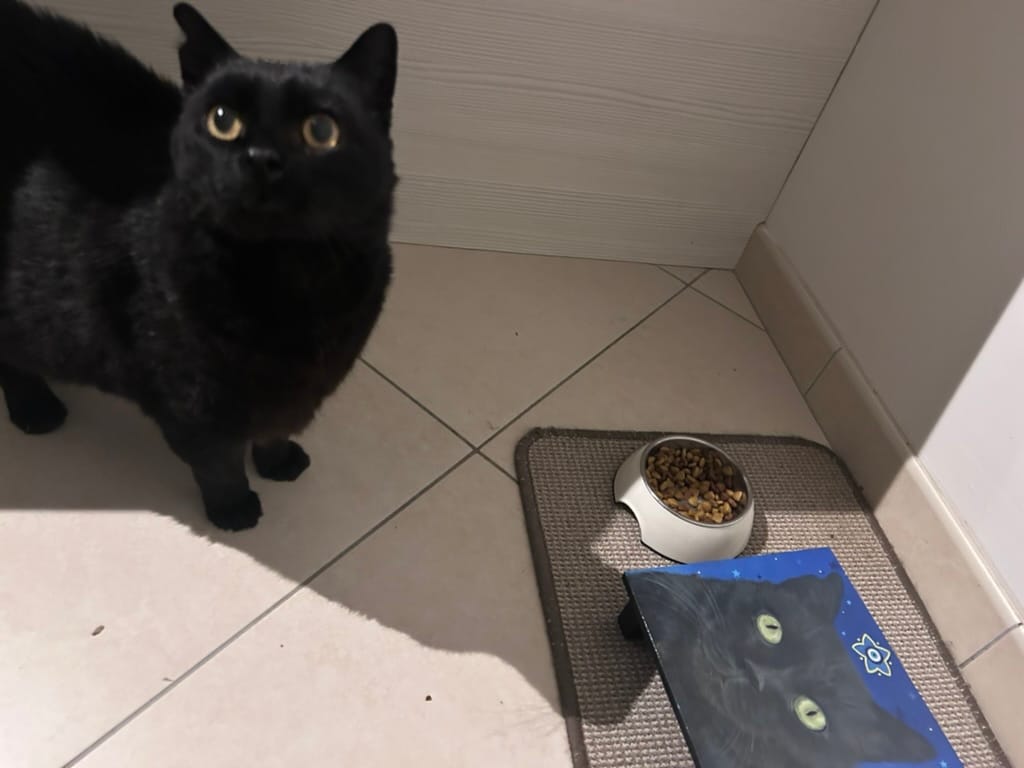
Over the last few years, my wife and I have lived in a lot of other people’s homes—caring for their pets, keeping the plants alive, and figuring out how their heating systems worked. We used TrustedHousesitters, mostly, the biggest name in the game and gave us options across England, France, and even a short stop in Brooklyn. If you can juggle the logistics—references, messaging, train schedules—it’s an incredible way to see places you might never think to visit, not from a hotel window but from a kitchen table.
The first house sits
The UK was the warm-up act. London, Sussex, Oxford, old spa towns in the midlands. All tidy, green, and comfortable. The pets were easy, the trains less so.
Brooklyn was loud, brief and small, but familiar as it was nearby the old school I used to work at and so it allowed us to do everything we wanted to. We got to see a lot of our friends, eat at places that we used to love and then have an easy place to get back to.
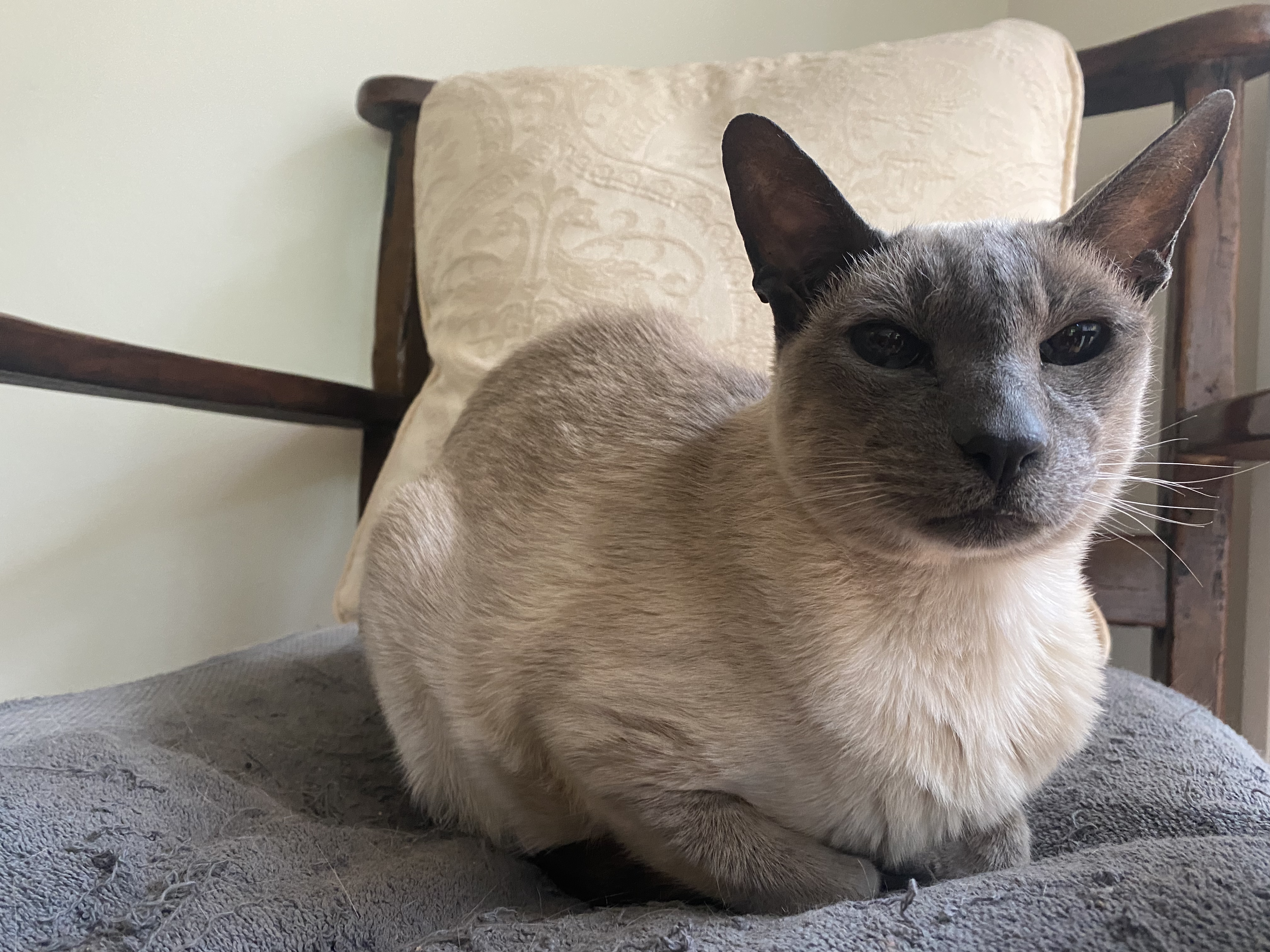
And a cat that really didn’t need much.
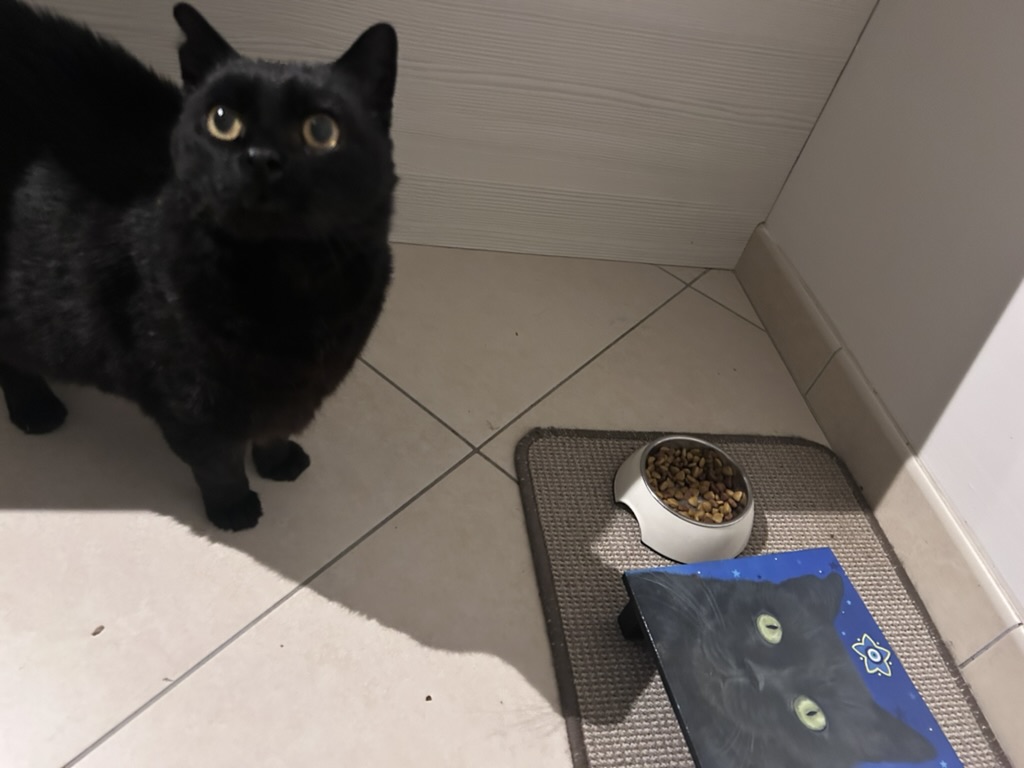
We never even met that couple, but they seemed like lovely folks. Most people will expect - or hope - that you can operate independently and take care of the place without them.
But France, especially western France, was where we’ve spent the most time. It’s probably why we’ve ended up around Nantes in the first place - our first house sit was an hour away and Nantes has the closest airport.
This is interesting and they will wanna read it, too!
Borrowed Homes & Learned Lessons
We’ve lived at least 10 temporary lives in ten borrowed homes since we left the United States 4 years ago.
Most of these were in smaller, more rural locations, which suited us as we wanted to discover more of the countryside. However, they required a rental car, which was occasionally an issue.
All of them allowed us to see places and to become familiar with this country in a way we would never have seen otherwise.
Our first in france was in a small town in Bretagne, population of maybe 2,000 people, but they’re likely counting some cows. The cats were sometimes troublesome, the neighbors were distant, and the rural Wi-Fi spotty.
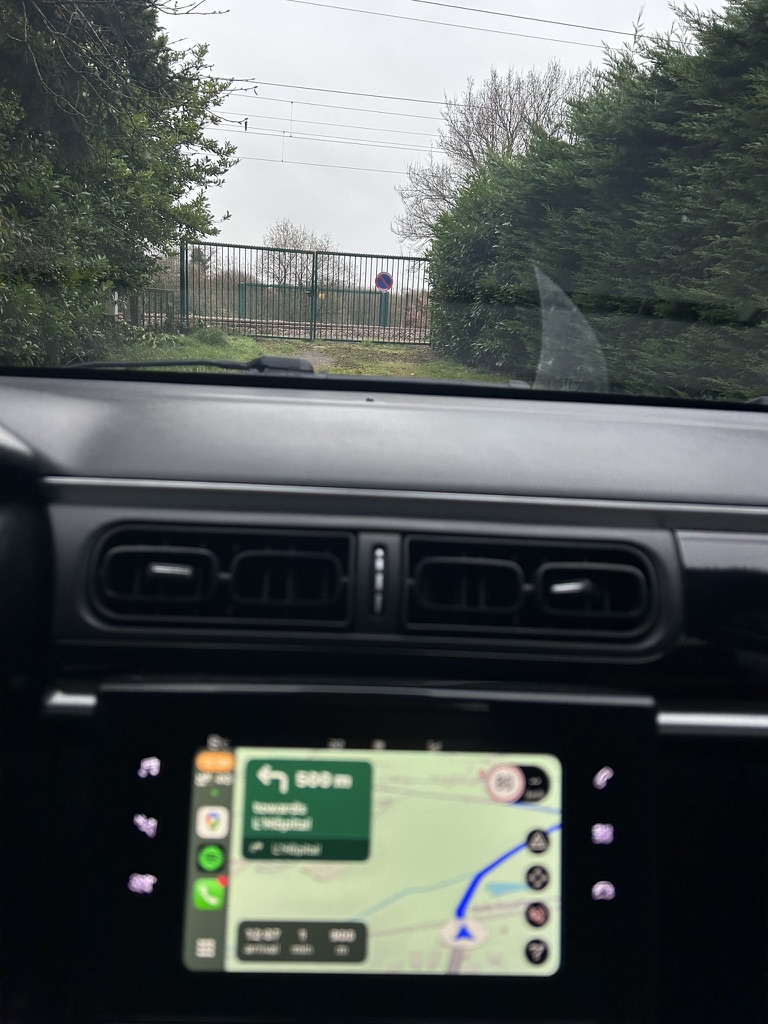
Dordogne was colder, lonelier, but also beautiful. We felt truly on our own out there, but it was beautiful - even if it was a 30 minute drive to get milk - or anything.
But I also got to visit a Perigord truffle market in season, which is still the most security I have seen for anything in France outside an airport.
Maine et Loire was 10 days of chickens and quails, a vegetable garden, and rain.
The scenic spot in the city in Bretagne was not in the city at all, but on the outskirts of a much smaller town to the north. A big surprise when we got there, but the place was beautiful and the hosts became friends.
We stayed in so many small towns that we came to expect the nightly rhythm of shutting off every single light in the village, plunging everything into an inky blackness and not hearing a soul.
But during the day, it was beautiful.

Belonging, for a little while
There’s something about waking up in a borrowed house, in a borrowed village, and knowing you’re supposed to be there. Not as a tourist. As a temporary guardian or guest, even.
You water the plants, feed the animals, put the bins out on the right day. You become part of the routine, invisible but necessary. You get to try on a life, a little.
It’s a strange kind of tourism, but it’s also a kind of intimacy you don’t get from a hotel or even a rental.
The house holds the shape of someone else’s life. Their calendar on the fridge. A favorite mug left out by the sink. The scratch post in the hallway tells you exactly where the cat likes to be.
You’re there, briefly, to keep it all going—to keep the house feeling lived-in, not abandoned.
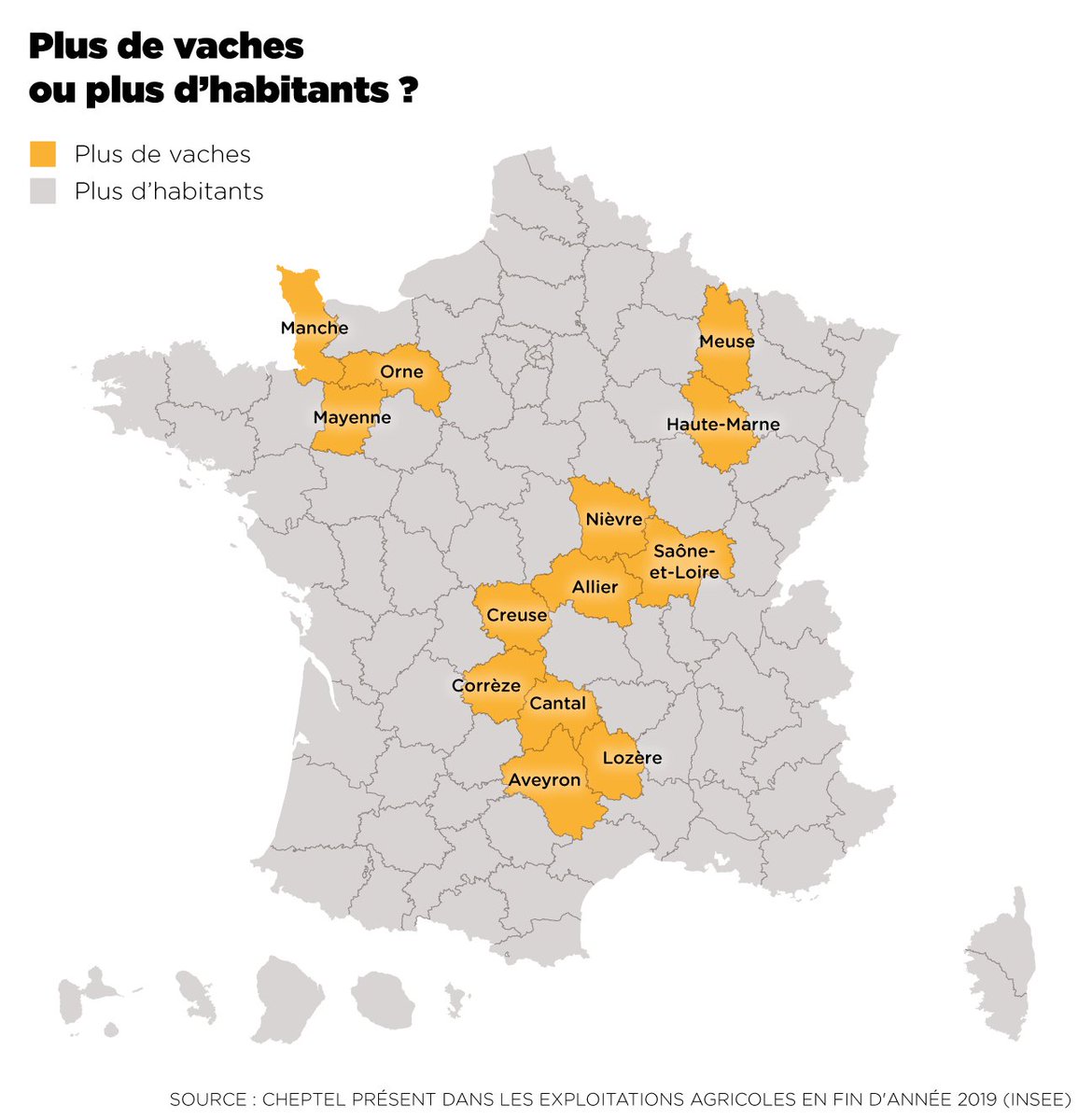
But really: some places are seriously rural - France become deep country fast.
a sense of other lives
The trust of it still surprises me. Someone hands you their keys and says, “See you in three weeks. Don’t forget to feed the cat.”
This summer, we’ll be back in England, staying with a family we’ve sat for before. It’s a chance to reconnect, yes—but also to reroute ourselves in that slightly strange, slightly sweet in-between place where you’re not a guest and not quite local either. Just present. Just trusted.
It’s also a good reminder of how wildly different even supposedly “similar” cultures can be. The UK and the US both speak English, drive on opposite sides of the road, and still manage to misunderstand each other constantly.
House sitting is still, for us, about living small parts of other people’s lives. Carefully. Quietly.
Long enough to get a feel for it, to feel how another possible life might be.
It's not just about saving money, but about experiencing a country differently.
Subscribe for stories, tips, and real-life lessons from living in borrowed homes around the world.
Learning the Hard Way (And Then Better Ways)
House sitting platforms connect homeowners with vetted sitters—individuals, couples, even families with kids—who stay for free in exchange for care.
We’ve done about sits through TrustedHousesitters, mostly in France and the UK. It takes some setup (references, communication, a decent profile), and flexibility.
But in return, we’ve stayed in city flats, country houses, and remote farmsteads—all while learning what kind of life might actually suit us.
Turns out we like chickens, not cows. Not living near cows, at least.

It took us a few sits to figure out what should’ve been obvious: house sitting isn’t just about feeding pets and not burning the house down. It’s about stepping into someone else’s life—briefly, gently—and making sure they feel okay about it.
That’s more than keeping things tidy (though yes, wipe the counters, always put the remote back), which is sometimes harder to do than it seems. Accidents do happen, like when one of our host’s homebrew experiments started exploding one day.
You’re caring for their animals, their plants, their routines. You're in their space, often with their slippers still under the bed and a list of tasks scribbled in an incomplete email.
Communication is everything
It sounds basic, but it’s the one thing that, if you get it wrong, can make the whole experience tense.
We once had a lovely sit in the countryside, chickens and all, but no real plan for how or when to check in. The owners didn’t respond much, and we kept wondering—should we send photos? Do they want updates? Are they annoyed we haven’t?
Eventually, we sent a picture of their cat lounging in the sun with a “just to say all is well” message and got a rushed response asking why we hadn’t been in touch earlier.
They had told us to not contact them. I guess they forgot.
Stressful. totally avoidable.
Now, we set that up in the first conversations. Even a few early WhatsApp messages before the sit, checking in, updates, etc.
As I was writing this, I reminded myself to tell our people this summer that we bought our tickets to fly over:
Hi ! Just an update: we bought our plane tickets! We also have our approved ETAs. (They’re new.)
It looks like we’re all set! We’re really looking forward to it.
But check:
Do they want a daily update? Just a note if something changes? A WhatsApp message or email? Everyone’s different.
Some want hourly bulletins with photos; others just want to forget they ever left. One person asked us for daily proof-of-life photos. It was their first sit.
I posed the cat in various places one day, then just sent out a pic at a different time each day - and didn’t kill the cat. Cheating, but it worked out.
But ask—clearly & upfront—because it’s easier for everybody and guessing wrong makes things harder for everyone.
You’re not just borrowing their house. You’re borrowing their trust. And earning that takes more changing the cat litter.
Not Just a Free Place to Sleep
When you're just starting out, your reputation is the whole game. That means your profile and intro letters need to do some heavy lifting. We had friends write ours—vouching for our reliability, general pet-love, and capacity to not burn a place down—and that helped us land our first few sits.
When you reach out to homeowners, say more than just “we love animals.” Tell them about the dog you grew up with, the time you navigated a storm to rescue a runaway cat, or your knack for coaxing anxious animals into calm routines. It matters.
And get the pets’ names right. Seriously. It’s such a small thing but people notice.
We also learned, the hard way, that if a listing sounds like too much work—five dogs, twice-a-day meds, exotic parrots on a special diet—it probably is.
We had a a conversation with a woman who had 37 cats in Westchester, New York. There is, in fact, an appropriate number of cats.
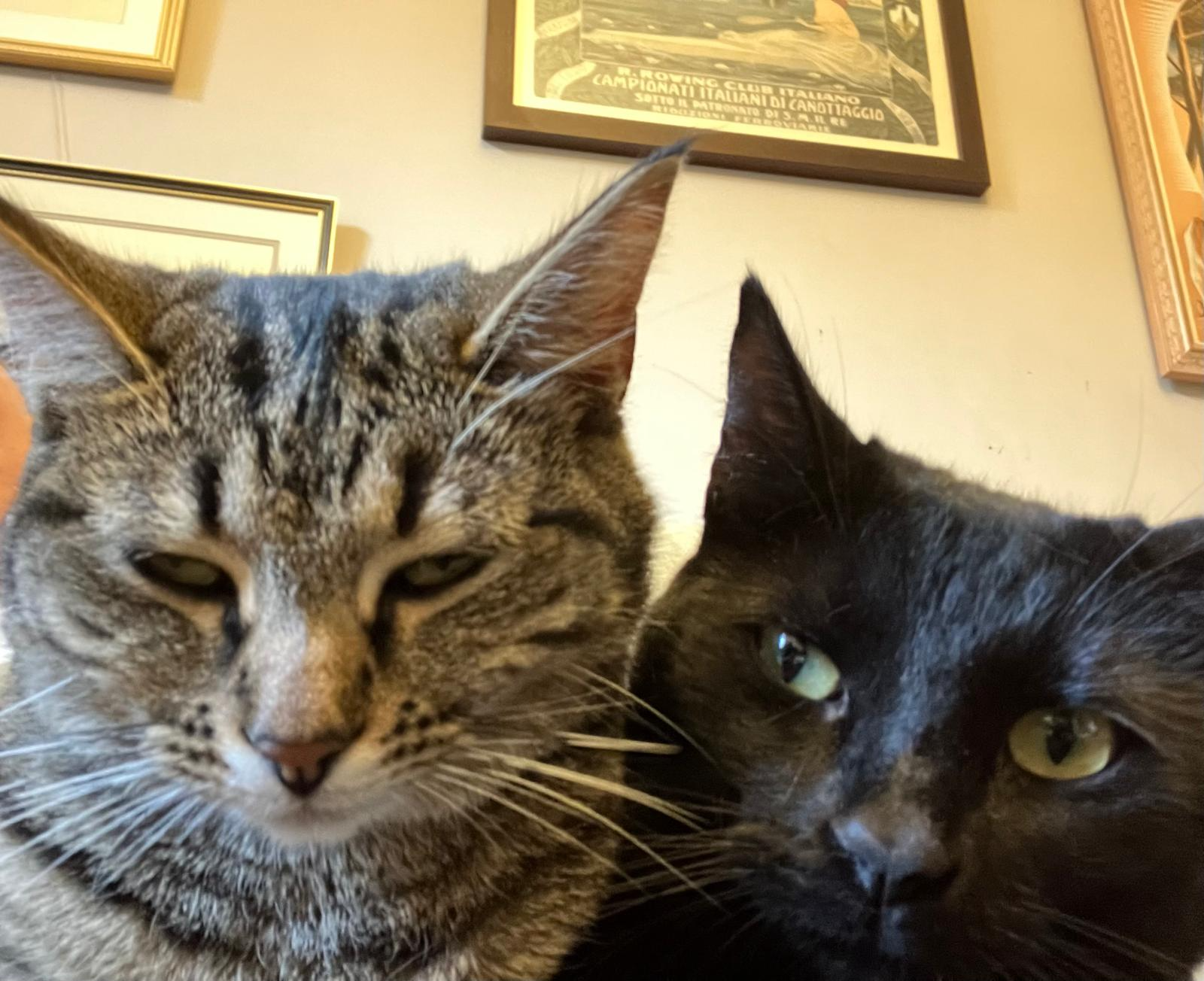
My personal max cat-to-person ration is 3 cats per person. Absolute upper limit. You should know yours.
Don’t agree to more than you can handle. We never did, and I don’t regret saying no when things felt off.
One of the most important things to sort out early is communication. Do they want updates? Pictures? Total silence unless there’s an emergency? It varies wildly. One couple never responded to anything we sent. Another asked for daily proof-of-life photos of their tabby, lounging in each room. Find out what they want and make it easy on everyone.
On the logistical side, always check if there’s food delivery or a car available—especially in the countryside. Some spots are stunning but totally off-grid, which can sound romantic until you’re trying to buy milk without a vehicle. Also, get clear on local transport, stores, and where the vet is, just in case.
Cleanliness matters, too. If you're not sure how clean is clean enough, leave the place at least as you found it. Better, if possible. Take photos when you arrive so you remember how things were arranged. And if you move something, try to put it back. It’s easy to forget which teapot was where after two weeks of daily tea..

Thanks for reading Keith’s Substack! Subscribe for free to receive new posts and support my work.
And of course, there is a dedicated House Sitting Magazine, which is a really good resource, even though we don’t use them much.
Have you house sat before—or thinking about it? What surprised you most? What’s holding you back?
Share a thought or a story in the comments.
I read them all.
The Right Fit (And Platform)
Mostly, we stick to Trusted Housesitters because we have a solid reputation there and it’s very easy for us to get set up. It’s particularly good in the UK & the US, but has options all over Europe.
If you go through the various sites, you’ll see very few crossovers or people on multiple sites. Most folks tend to find on ether like and stick to it.
House Sitting Magazine did a great breakdown of all of the steps and options here.
France-based Nomador has a lot of French and European listings, but we haven’t used it yet. HouseCarers (Australia-based) offers solid international options with a loyal following.
Budget-conscious or just starting out? MindMyHouse is cheaper, and HouseSitMatch caters more to the UK and family sitters, with a helpful founder and growing database.
They break down steps like ID checks, review systems, support channels, and discounts—plus flags common frustrations, like TrustedHousesitters’ new policy pausing listings after five applications.
It might be best to start local to build your profile, or to do a few short sits, then explore sits globally using a mix of platforms that align with your goals and location. It’s not just about free stays—it’s about community, responsibility, and finding the right rhythm to this lifestyle.
Other Popular House Sitting Platforms:
Besides TrustedHousesitters, which is the best-known and most international:
- Nomador
Focuses more heavily on France and continental Europe. Popular among French homeowners. Their site design feels more local, less slick. You’ll find more long-term sits in rural areas here.
nomador.com - MindMyHouse
Cheaper membership, but more limited listings. Has a smaller, quieter community. Good for people just testing the waters.
mindmyhouse.com - HouseCarers
Old-school in look and feel, but reliable. Tends to have more Australian and New Zealand listings, but some in Europe too.
housecarers.com - Workaway and HelpX
Not pure house-sitting, but often includes pet care, gardening, and lodging in exchange for light work. Useful for long stays with more community engagement.
Steps to Becoming a House Sitter (No Matter the Platform)
- Create an Account & Choose a Platform
Sign up for a house sitting website that fits your travel goals. Most require a membership fee, but some offer trial access or discounts. - Build a Strong Profile
Include clear photos, a warm bio, relevant experience with animals or home care, and—if possible—add references. This is your first impression. - Verify Your Identity
Most platforms require ID checks or background screening. It adds credibility and builds trust with homeowners. - Gather References or Testimonials
Ask friends, past employers, or pet owners you've helped to write a brief character reference. Even personal endorsements matter when you're just starting. - Apply Thoughtfully to Listings
Read sit details carefully. Tailor each message to the homeowner and show you've understood the responsibilities. Mention pets by name if listed. - Communicate Clearly with Hosts
Ask early how they prefer to stay in touch (daily updates, photos, just emergencies?). Clarifying expectations up front avoids stress later. - Prepare for the Sit
Research transport, nearby vets, and food options. Ask about house quirks, local bin days, and pet routines. Take notes. - Leave it Better Than You Found It
Clean up, return things to their place, and send a thank-you message. Good etiquette leads to glowing reviews—and future sits.