Give a Bit of Hmm to Me: The Amanda Lear Enigma
the glam, the camp, the chaos and some amazing 70s and 80s video choices
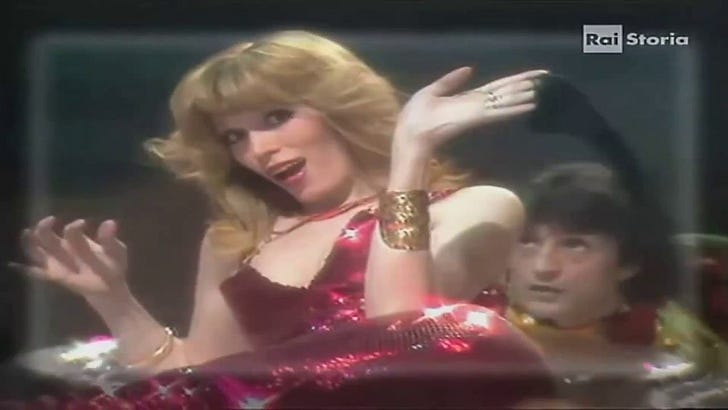
Model, artists, disco sphinx, TV icon, and master of mystery—Amanda Lear didn’t need to sing in tune to become a legend. She just had to show up. In 1977, she slinked onto the disco stage in heels, sequins, and a cloud of enigma, selling a philosophy that still holds up: mystery over meaning, fashion over talent, etc. Somehow, I always wind up loving tunes like this – not technically good, but so committed that you have to respect the delivery.
I mentioned Amanda Lear in a piece recently, and wanted to say more about her. It’s hard to write short a short piece. I am amazed at how there is yet another major cultural figure of France I know very little about. Or maybe it’s just that she did so many things it’s hard to know all of them.
Amanda Lear has had a truly incredible artistic life - it’s hard to know if she was ever taking any of it seriously.
Enigma (Give a bit of hmm to me) - 1977
Enigma (Give a bit of hmm to me…) was on her second album and remains one of her most well-known songs: repetitive lyrics, bizarre video experiences, dance moves I’ve seen at family weddings - none of it mattered. She sold it.
Enigma became a cult hit in European clubs and cemented her oddball disco persona—was she serious, satirizing it all? Both?
A history of flat delivery
Lear delivered most of her songs in the same husky, almost bored voice - like a dominatrix at the end of her shift, the thrill worn thin when a late client walks through the door.
Amanda Lear is not a legend because she could sing.
She couldn’t. Or if she could, it seems like she never did.
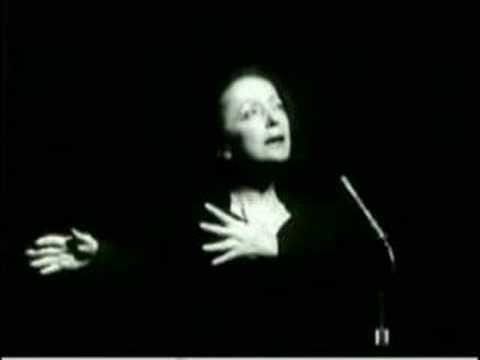
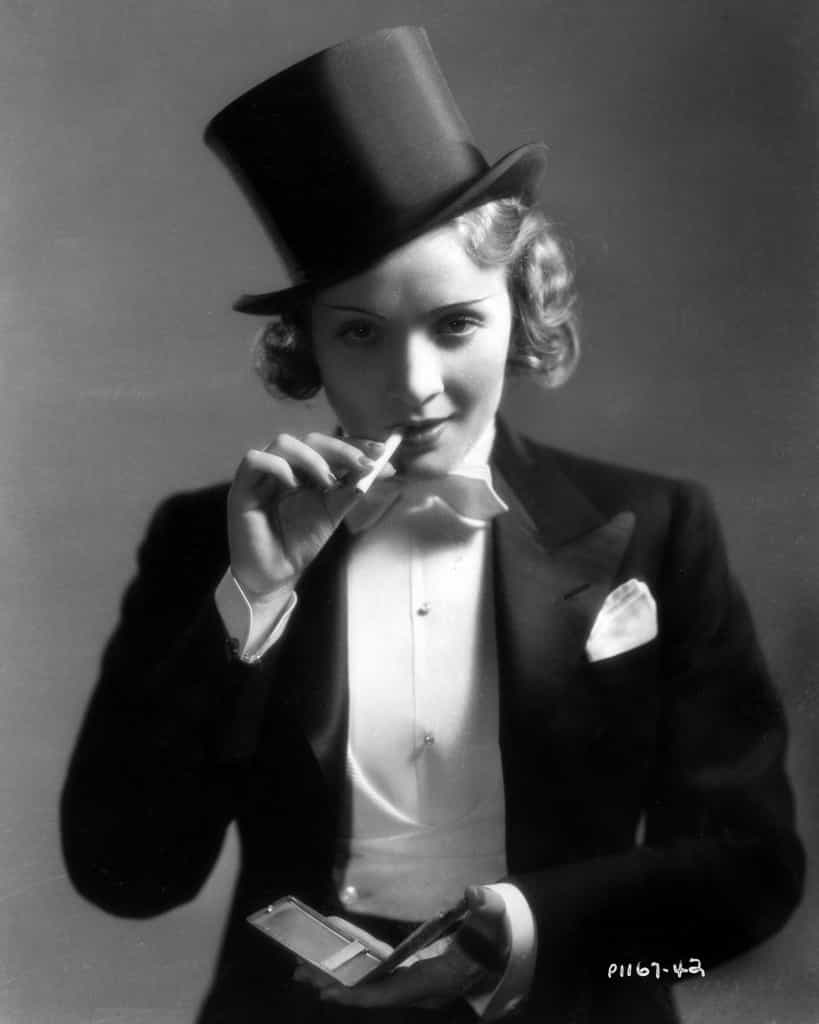
But Marlene Dietrich* wasn’t much of a singer either, but was unquestionably iconic. Possibly the world’s first global movie star, Dietrich stood out in an era of bubbly, hyper-feminine leading ladies, blurring gender lines with confidence—appearing in tuxedos, men’s coats, and top hats, and turning androgyny into pure star power.
As monotone as Lear’s singing could be, or awkward her movements, she exuded confidence, releasing 18 albums and 76 singles in her still ongoing career.
Comic. Camp. Committed.
On top of all of her talents, she was funny. And she didn’t care what anyone thought.
She was neither innocent nor wounded, like so many other female singers of the era - she was in control. She was the 1970s antidote to the squeaky-clean pop princesses like Sheila or the tragic divas like Dalida.
Loved for sheer presence, audacity, and the ability to outlast everyone else. Amanda Lear’s career spans nearly 6 decades—and it’s still going.
It’s hard to count the number of things she has appeared in—cartoons, movies, game shows, talk shows, theater— in multiple languages. Constantly visible in French media, somehow becoming omnipresent without ever becoming obvious.
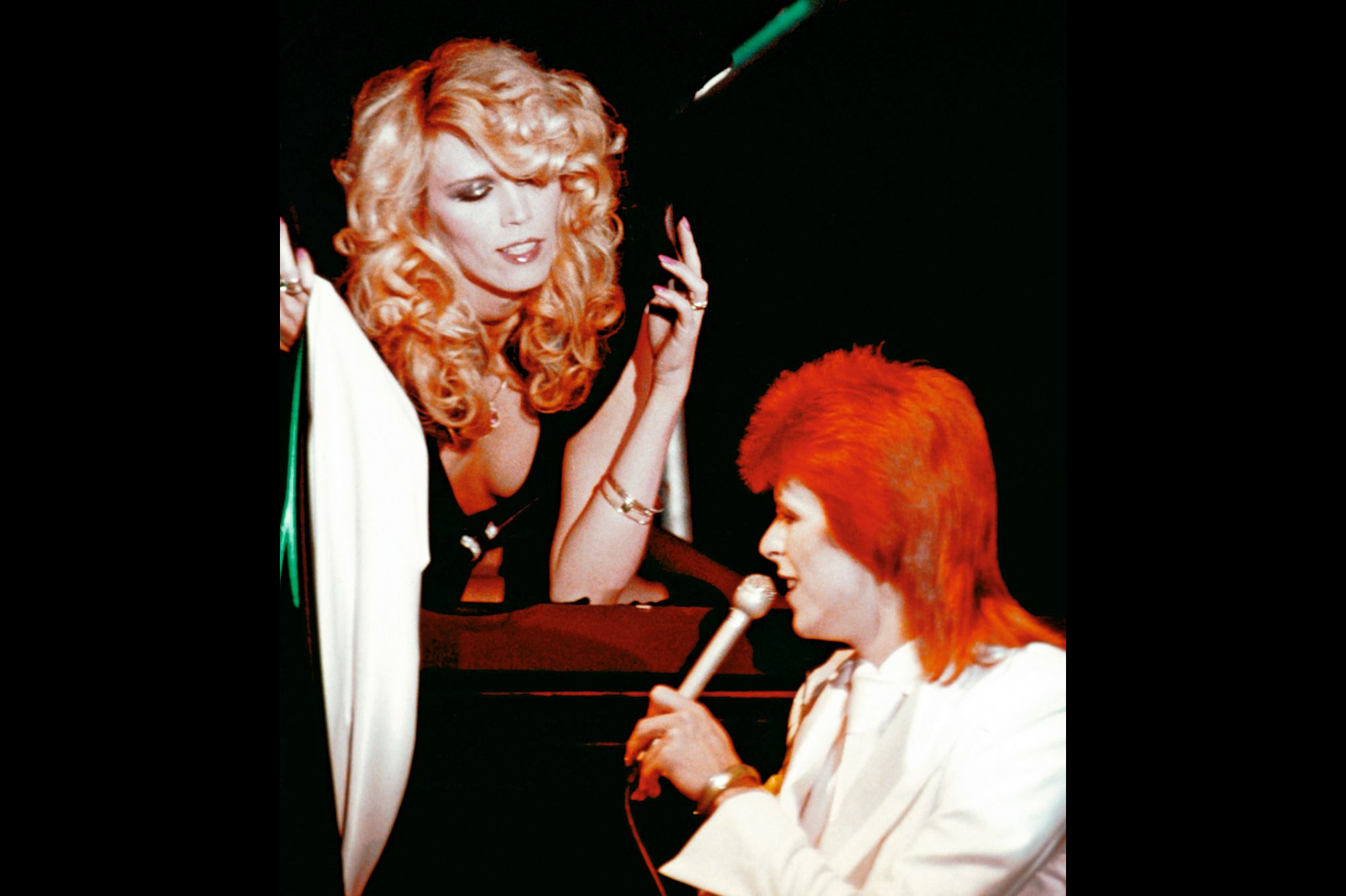
Follow Me - 1978
The orchestral Euro disco beat is just a backdrop to Lear’s sleepy, detached delivery. This is Amanda we’re meant to focus on—not the musicians. Off her second album Sweet Revenge, “Follow Me” charted in the Top 10 in Germany, Italy, France, and the Netherlands, and was certified gold in multiple countries.
She co-wrote it with German producer Anthony Monn, best known for his long-running collaboration with her.
It remains her biggest hit by far.
The Many Lives of Amanda Lear
In the mid-1960s, she began modeling for designers like Paco Rabanne and Ossie Clark, then became associated with Salvador Dalí. In the 1970s, she pivoted to music, launching her disco career with I Am a Photograph (1977), kicking off a run of successful albums.
She later became a French TV personality - hosting talk shows, variety programs, and game shows, becoming a household name in France and Italy. Through the 2000s and 2010s, she kept releasing music, acted in films and theater, exhibited her paintings, and basically refused to disappear.
Give a bit of Hmm to somebody… share this!
(Not just) a disco oddity.
She was a product of the art world before the dancefloor ever called.
Born in Saigon (or Hong Kong... or Transylvania, depending on the interview), raised in France and England, Amanda studied at Central Saint Martins and moved through the avant-garde scenes of the ’60s and ’70s like she owned them.
She modeled for Paco Rabanne, partied with Warhol, posed for Playboy, and—most famously—had a long, thorny relationship with Salvador Dalí, who called her his “Frankenstein.”
She wasn’t just his muse (how their relationship is frequently described); she handled his press, arranged his life, signed his lithographs, and, by some accounts, helped shape the Dalí myth itself. She was an accomplice, a handler, glamorous, funny, and unapologetically strange - a strong counterpoint to Dali’s surrealism.
For decades, rumors swirled about her gender identity—was she trans, intersex, etc.? Although she did appear fully naked in Playboy in 1978, which one would imagine would have settled the matter…
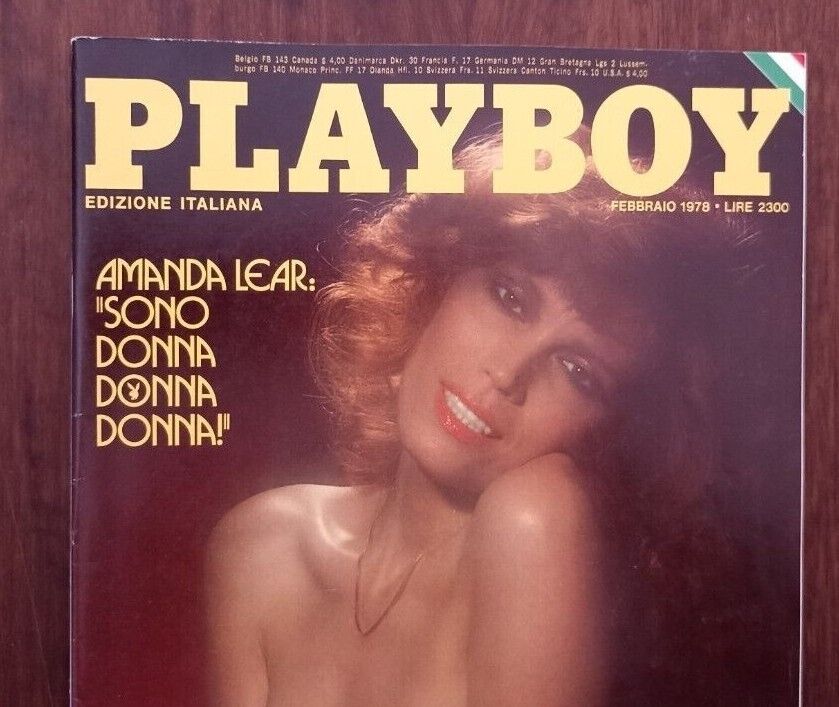
Amanda never confirmed or denied, and that was the point. She leaned into the ambiguity. Still, with her deep voice and androgynous style, she also became an unintentional LGBTQ+ icon—without ever really embracing it either.
Off-Key & On Point
Her music was never about technical polish—it was about atmosphere, biting commentary, and total control of her aesthetic.
One critic said she sounded like “Nico on painkillers...” Another called her “the Marlene Dietrich of disco, if Marlene didn’t rehearse.”
People were not going to see a great singer: they were going to see Amanda.
And yes, she’s still performing.
Because of course she is.
More Music Every Monday & 2 other posts about France and living here.
If you made it this far, you're clearly not afraid of a little glamour and a lot of weird.
Like, share, comment, or drop a cryptic “hmm” below.
I’d love to know what you think. Know of any other odd gems of this era? Lemme know. And don’t forget to subscribe for more curious stuff about France, music and culture!
Read on for more of Amanda’s music…
K
Fashion Pack (1979)
Fashion Pack (Studio 54) was released in 1979 as a single and on her third studio album, Never Trust a Pretty Face.
It’s a name-dropping, disco-soaked homage to the jet-set nightlife of the late ’70s—featuring shout-outs to Studio 54, Andy Warhol, Liza Minnelli, and just about every name she felt worth mentioning. A time capsule.
Queen of Chinatown (1977)
One of Amanda Lear’s most recognizable—if regrettable—Euro disco moments. Released as a single from her debut album I Am a Photograph, the song is a swirling, synth-heavy fantasy that leans hard into exoticism in ways that haven’t aged gracefully. With its plinky faux-Oriental motifs and Amanda delivering lines in her signature smoky monotone, it’s the kind of track that could only have come out of the late ’70s disco machine—campy, overstyled, and deeply questionable by today’s standards.
She also seems to have had several tone-deaf kind of cultural-appropriation tunes, including Chinese Walk from 2011 and released another album last year.
.* Just a curious bit in the Dietrich video - The overly enthusiastic rose-throwing at the end of that video clearly takes even her by surprise.
Bonus: Salvador Dali on Whats My Line? - 1957
Totally unrelated, but Dali was one of the show’s more entertaining guests