From France to the Bayou: The Spicy Story of Cajun Cuisine & Blackened Alligator
Displaced French to Exiled Acadians to Bayou Cuisine
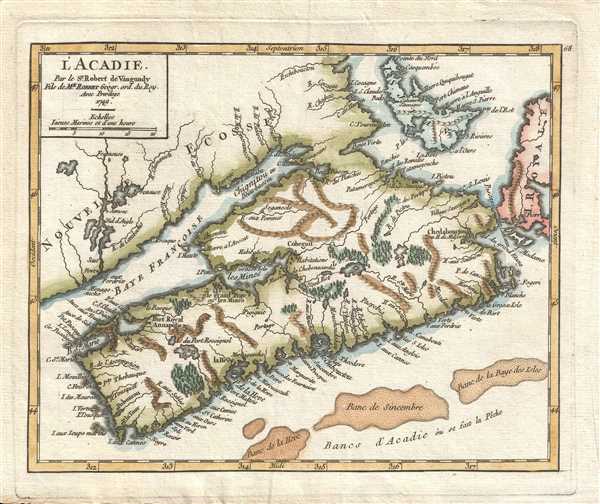
Blackened alligator is a modern Louisiana classic, but its roots go far deeper than the bayous. And it doesn’t have to be alligator. While blackening was popularized by chef Paul Prudhomme in the 1980s, Cajun cuisine evolved from Acadian settlers, exiled from Nova Scotia by the British in 1755 and made their way to Louisiana’s swamps and bayous. Influenced by French, Spanish, West African, Caribbean, and Indigenous traditions, Cajun food became a rich fusion of cultures. Blackened alligator fits into that story and I’ve got a recipe you can try at home—even if gator isn’t in your grocer’s freezer.
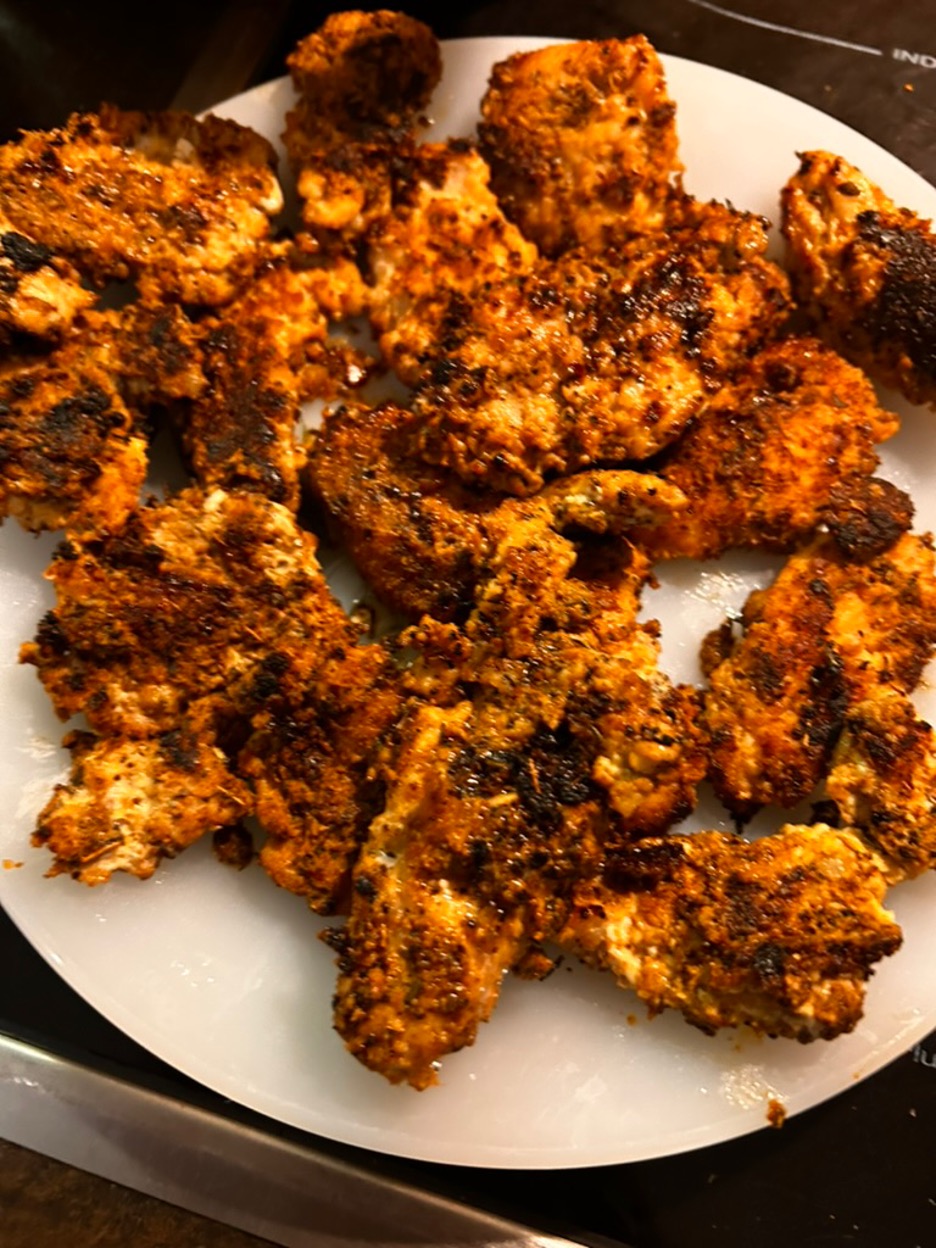
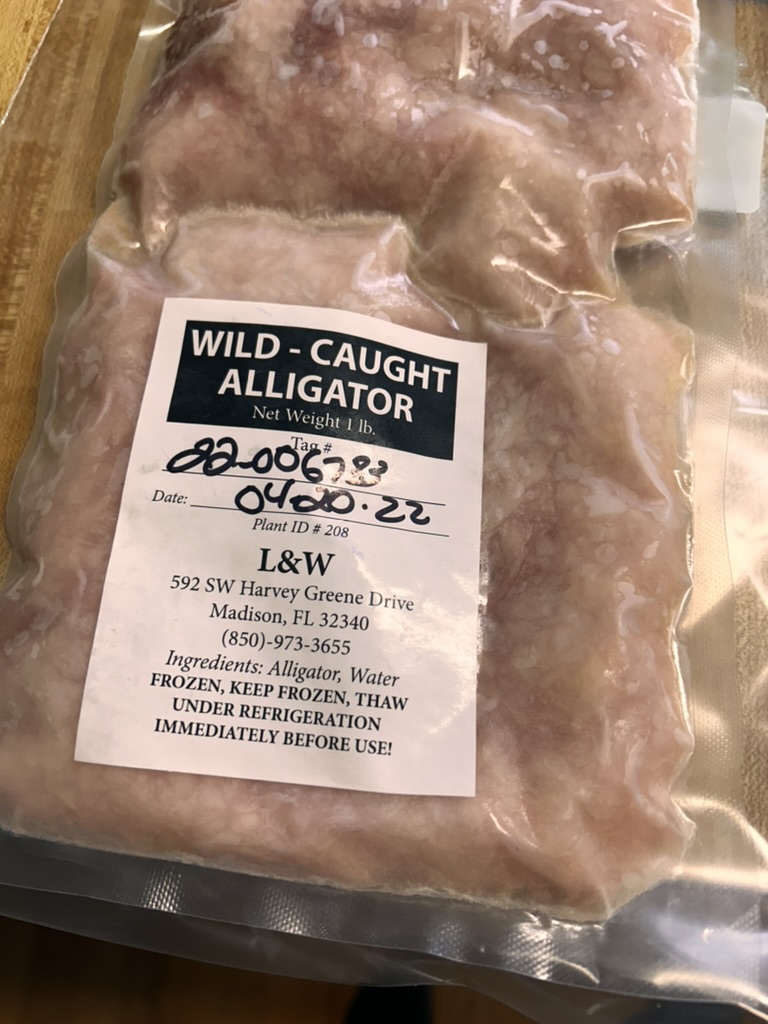
I just got back from Florida, and my wife and I made blackened alligator with some gator meat I brought home.
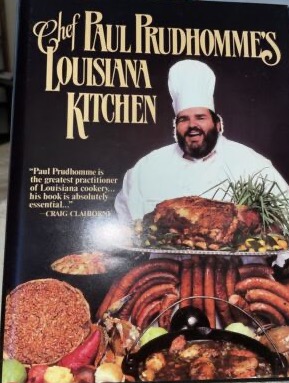
Blackening isn’t an old Cajun tradition but a modern technique, popularized by chef Paul Prudhomme in the 1980s. By coating meat or fish in butter and bold spices, then searing it in a blazing-hot cast-iron skillet, his signature dish became an instant hit—his Blackened Redfish craze led to a redfish population decline in Louisiana.
As I was sautéing, I wondered: How did this spicy little gator dish connect to France, the land of buttery pastries, delicate sauces, and subtly seasoned cuisine? As Viktoria put it in our recent interview, “The French are masters of all the bland foods.” (I’m pretty sure she meant that as a compliment.)
So how did a culture known for coq au vin and sauce béarnaise produce the fire-breathing Cajun food of Louisiana?
In short: it didn’t.
How Cajun Cuisine Got Its Spice
The answer lies in the Acadians, French settlers who originally made their home in Acadie—present-day Nova Scotia, New Brunswick, and Prince Edward Island.
The Acadians came from rural farming and fishing communities in Poitou, Normandy, and Brittany, regions of France where land was scarce and controlled by nobility, forcing many to live self-sufficiently in isolated villages. They were drawn to Acadie (Nova Scotia) in the early 1600s because it offered land and autonomy, even though it was remote and marshy—conditions they were already accustomed to. Unlike settlers in Québec, who lived under direct French rule, Acadians had little government oversight, fostering a culture of independence and adaptability.
Their expertise in coastal living, farming, and water management helped them thrive in Acadie, where they also formed strong ties with the Mi’kmaq people. When the British expelled them in 1755, they carried their tradition of remote living to Louisiana, choosing bayous and swamps where they could maintain their way of life without outside interference—a preference shaped by generations of survival.
The British Expulsion: Le Grand Dérangement
After a series of wars, the British took control of Acadie in 1713. The French-speaking, Catholic Acadians weren’t thrilled about British rule, and the British didn’t trust them either.
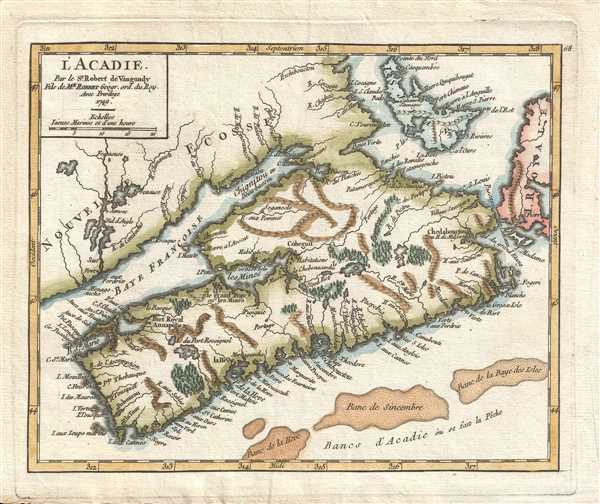
By 1755, the British demanded that the Acadians swear loyalty to the British Crown. When most refused, they were forcibly deported in Le Grand Dérangement. Some returned to France, others scattered across American colonies and the Caribbean, but many found their way to Louisiana, still under French rule.
There they became known as Cajuns – a shortening of "Acadian." But Louisiana wasn’t just another French city: the major trading region was a mix of cultures—Spanish, African, Caribbean, and Indigenous peoples all contributed to local culture. The subtropical climate meant an abundance of seafood, rice, and game meats, very different than the foods from northern Canada – and from France.
The Cajun Melting Pot
Though New Orleans was officially founded by the French in 1718, the region had long been an important trade and cultural center for Indigenous peoples, including the Chitimacha, Houma, Bayogoula, Natchez, and Tunica, who used the Mississippi River as a major trade route connecting the Gulf Coast to inland North America.
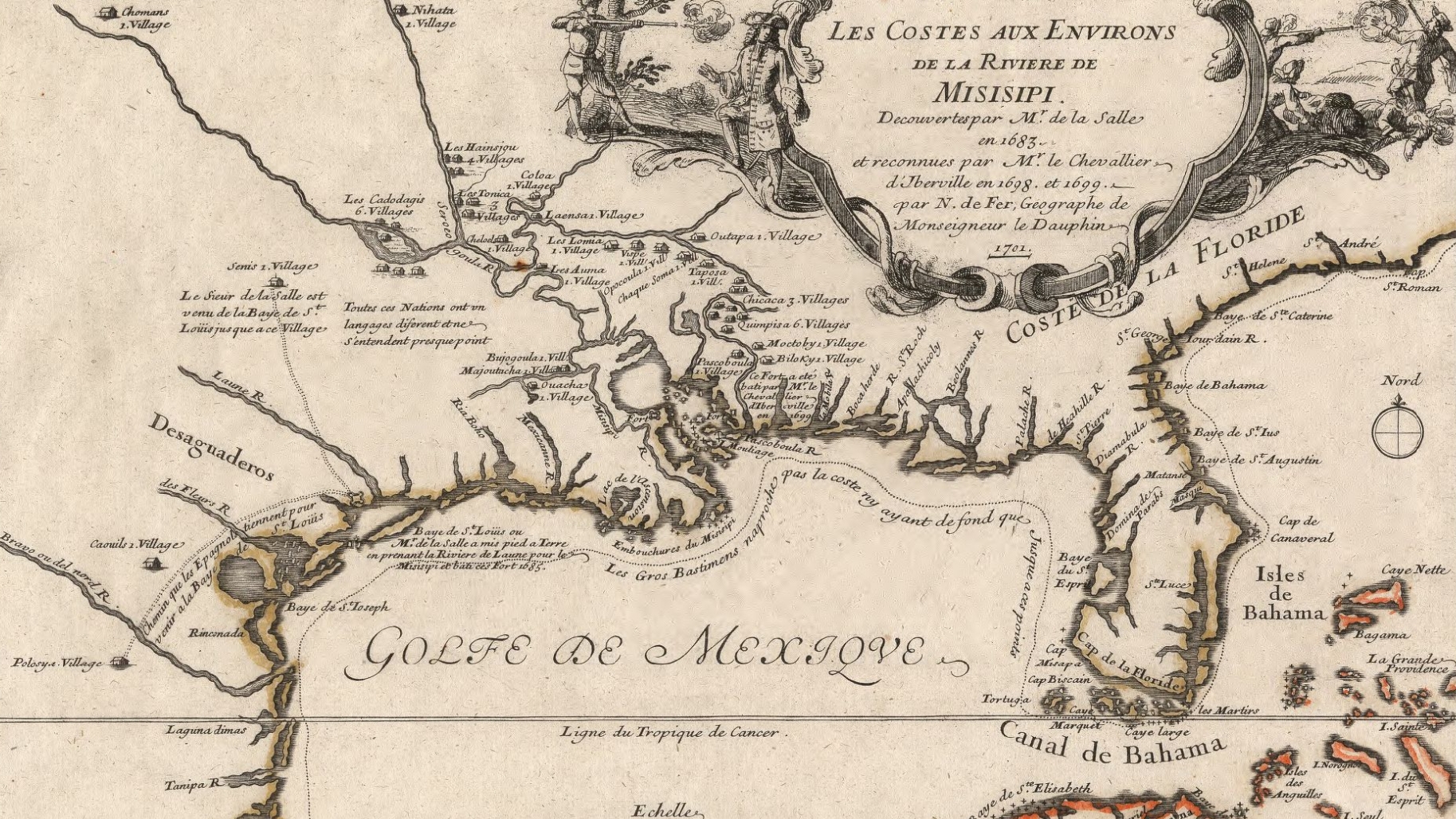
From 1763 to 1800, Spain controlled Louisiana, introducing rice, tomatoes, and peppers, which helped shape jambalaya, a dish similar to Spanish paella. West African traditions brought okra, slow-cooked stews, and bold seasoning, directly influencing gumbo (from the Bantu term for okra, ki ngombo). The Choctaw contributed key local ingredients, including filé powder (ground sassafras leaves) and nixtamalized corn, which became the foundation for grits and hominy.
That word—nixtamalized—might sound strange in English because it isn’t English at all. It comes from the Nahuatl words nextli (ashes/lime) and tamalli (dough/tamale), referring to the Mesoamerican process of soaking corn in an alkaline solution to improve its nutrition, flavor, and texture. It’s why tortillas, hominy, and grits taste the way they do today.
While some French influences remain, like roux-based sauces and the Cajun "Holy Trinity" (a mirepoix-like mix that swaps carrots for peppers), Cajun food evolved far beyond its French peasant roots.
Sure, you can draw connections—pot-au-feu into gumbo, ragoût into jambalaya, bouillabaisse into seafood boils—but Cajun cuisine is a cultural fusion that owes more to African, Caribbean, and Choctaw cultural influences than it does to France.
Thanks for reading Finding Home Elsewhere! If you enjoyed this post, share it with others!
Recipe: Blackened Alligator (or Chicken)
Ingredients:
- 1 lb alligator tail meat (or boneless, skinless chicken breasts)
- 4 tbsp unsalted butter, melted
- 2 tsp smoked paprika
- 1 tsp cayenne pepper (adjust for heat tolerance)
- 1 tsp garlic powder
- 1 tsp onion powder
- 1 tsp dried thyme (I’ve used herbes de Provence, which works well)
- 1 tsp dried oregano
- 1 tsp black pepper
- ½ tsp salt
- Cast-iron skillet
Instructions:
- cut alligator into small medallions. If using chicken, pound to an even thickness.
- Combine all the spices in a small bowl.
- Dip each piece of meat in melted butter, then generously coat with spice mixture.
- Place a cast-iron pan over high heat for at least 5 minutes. It should be smoking hot.
- Cook each piece for about 2-3 minutes per side, until a dark, crispy crust forms.
- Rest & serve – Let rest before serving. Serve with remoulade or just over rice and beans like we did.
And yes, alligator is great. Its mild, slightly sweet meat—somewhere between chicken and fish—takes on blackening beautifully.
Share, Subscribe, Support?
We’re living in unpredictable, fascinating times. There’s a proverb or a warning about that somewhere, but now is what we’ve got.
If you find value in these stories—whether they make you laugh, think, or see the world differently—consider subscribing or becoming a supporting member.
I want to keep Finding Home Elsewhere free for everyone, but reader support helps me continue writing, researching, and sharing new insights. If you’d like to show extra love, you can always send a small contribution—think of it as a virtual café au lait.
However you choose to engage, I’m grateful you’re here.
Keith