Julia Child: The Woman Who Taught America French Cooking
How One Enthusiastic Chef Transformed American Kitchens with French Flavors
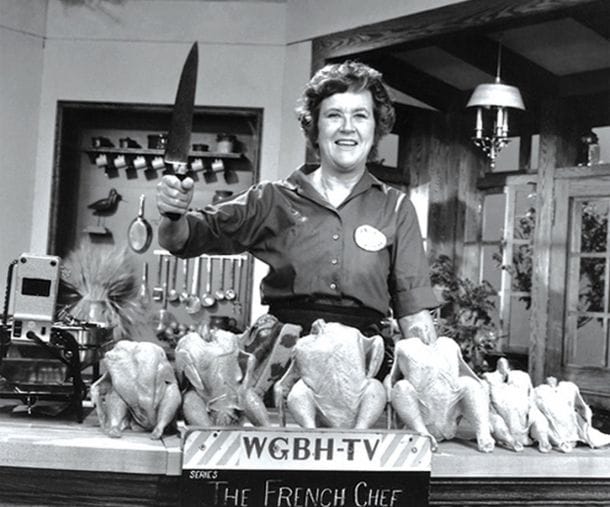
Julia Child was more than just a television personality; she was a cultural force who brought French cuisine into American kitchens, forever changing the way people cooked and thought about food. Her passionate, often messy approach made complex recipes accessible to everyday home cooks, and her influence still reverberates through kitchens across the U.S. This is the story of how one woman's love for French food sparked a culinary revolution and why, even decades later, her legacy continues to inspire.
The cooking that we as Americans know today all goes back to her: she taught Americans to love French food.
I love this woman and, more than almost anyone else, her influence on the American food scene and my own cooking is massive. Something about her old-timey falsetto, or the openness she had about own mistakes or just her rampant enthusiasm for the most brutal culinary techniques seems like it shouldn’t have worked, but it did.
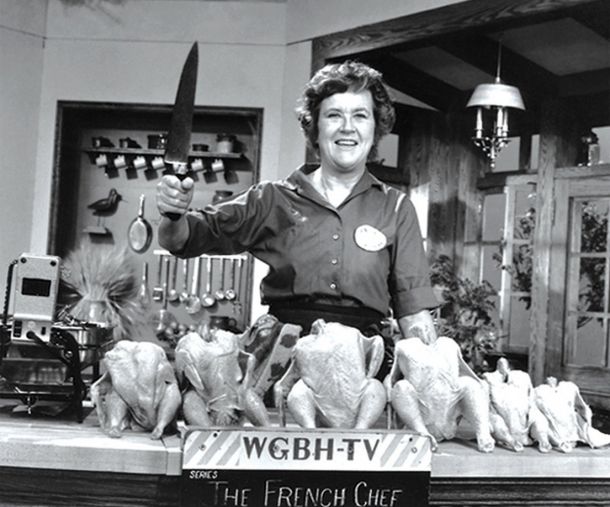
Julia Child changed American cooking, but is largely unknown in France.
France has its own long line of culinary heroes and doesn’t tend to pay too much attention to the US, with a few exceptions (I’d be surprised if anyone here had heard of Guy Fieri, for example). In the 60 years since her debut, endless other programs have been aired and an amazing number of cuisines are being recognized. French cuisine is undergoing a kind of review as well as climate concerns and eating preferences have moved away from the hearty sustenance of traditional dishes.
But so much of what we know now in the US all started with Julia. Her arrival on the American culinary scene transformed not only how we approach cooking but shifted our cultural relationship with food, and especially French cuisine.
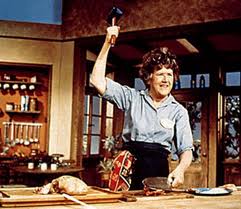
Julia’s rampant enthusiasm first appeared in American kitchens with “The French Chef” in 1963. This was more than just a cooking show; it was an entirely different approach to food and to programming than had ever been seen on American televisions. French cuisine was the first major cuisine presented this way in America and it was the beginning of what would eventually become a tidal wave of culinary programming. But hers remains unique. Her second episode featuring French Onion Soup is a personal favorite. I remain amazed that the show ever kept broadcasting after that one.
Julia did not simply cook; she taught, she entertained, and she demystified cooking for people. Her ethos was simple: anyone can cook, and everyone should cook. I have seen very few people so enthusiastically shove their hands into the carcasses of small animals.
France after the War
Julia’s time in France was pivotal. In 1948, she moved there with her husband Paul Child, as the country was recovering from shocks of World War II and the German occupation. The country was looking to restore its pride and its identity and it was in the midst of a cultural and media explosion to reclaim its tarnished identity.
At the time, Paris was the gastronomic capital of the world (these days, I think there are several “capitals,” but of course Paris remains one of them). She attended Le Cordon Bleu and was mentored by Max Bugnard, who helped her to graduate the school despite adversarial instructors.
For Julia, this time was not just about learning French cooking techniques; it was about celebrating food as a profound part of life.
Her cookbooks, beginning with Mastering the Art of French Cooking became kitchen bibles across America. These books were meticulously detailed, reflecting a deep respect for home cooks and turning complex cooking into an accessible activity.
She was a pioneer in how we consume culinary media. Before the age of celebrity chefs and food networks, Julia was a singular force, using television as a platform to connect with and educate her audience. Her unscripted blunders and swift recoveries during live broadcasts only made it better. I’ve also always heard that she dropped a whole chicken or a roast, but it was only some potatoes, which she scooped right up and kept on moving. "“Just like you’d do at home…”
Many more of her episodes here. An excellent vintage TV rabbit hole to go down.