French Cooking: Elevate Your Dishes with Homemade Mayonnaise
The Rich Flavor of Traditional French Mayo is a whole other sauce - Simple, Customizable Recipe
When most Americans think of mayonnaise, brands like Hellmann's or Duke's or even Miracle Whip might come to mind—a bland and smooth, store-bought spread that's a staple for sandwiches and salads. However, the world of mayo is much richer than the jarred options you find on supermarket shelves. You might venture out into the very specific Kewpie mayo or a Sir Kensington for a bit more variety, but none of them compare.
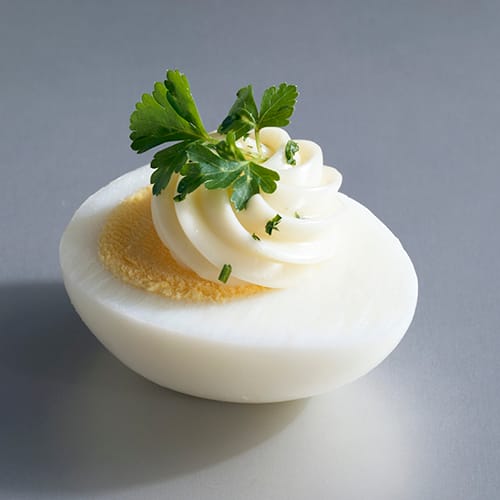
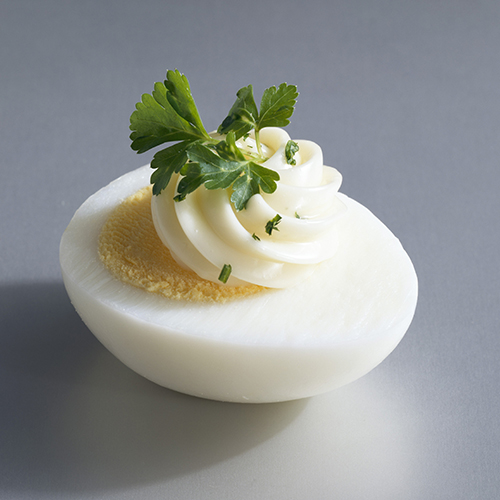
In French cuisine, mayonnaise is traditionally used as a base for various sauces and dishes, such as the classic œufs mayonnaise—hard-boiled eggs topped with a generous dollop of mayo. That’s it. But done right, they’re wonderful. The origin of mayonnaise is often traced back to the town of Mahón on the island of Menorca, Spain, where it is believed French forces first encountered the sauce during the Seven Years' War, eventually adopting and popularizing it in France as "mayonnaise." So like a lot of “French” cooking, it came from somewhere else.
And yes, it’s probably a good idea to avoid mayo languishing in the sun in the heat of the summer, but it’s also the time of year I am more likely to make it.
Making your own mayonnaise, especially a garlic aioli, is a whole other level of flavor and texture that mass-produced varieties simply can't match. I’ll say it again: this is not the same mayo. A few simple ingredients and a bit of whisking and you create a creamy, tangy, and irresistibly garlicky cream sauce that transforms any dish it touches.
Make your own mayo, if you can.
It’s worth it.
Keith
PS This is an aioli. If you want plain mayo, just leave out the garlic. That’s it.
Homemade Garlic Aioli Mayonnaise Recipe
Tip: if doing it by hand, keep the whisk moving the whole time.
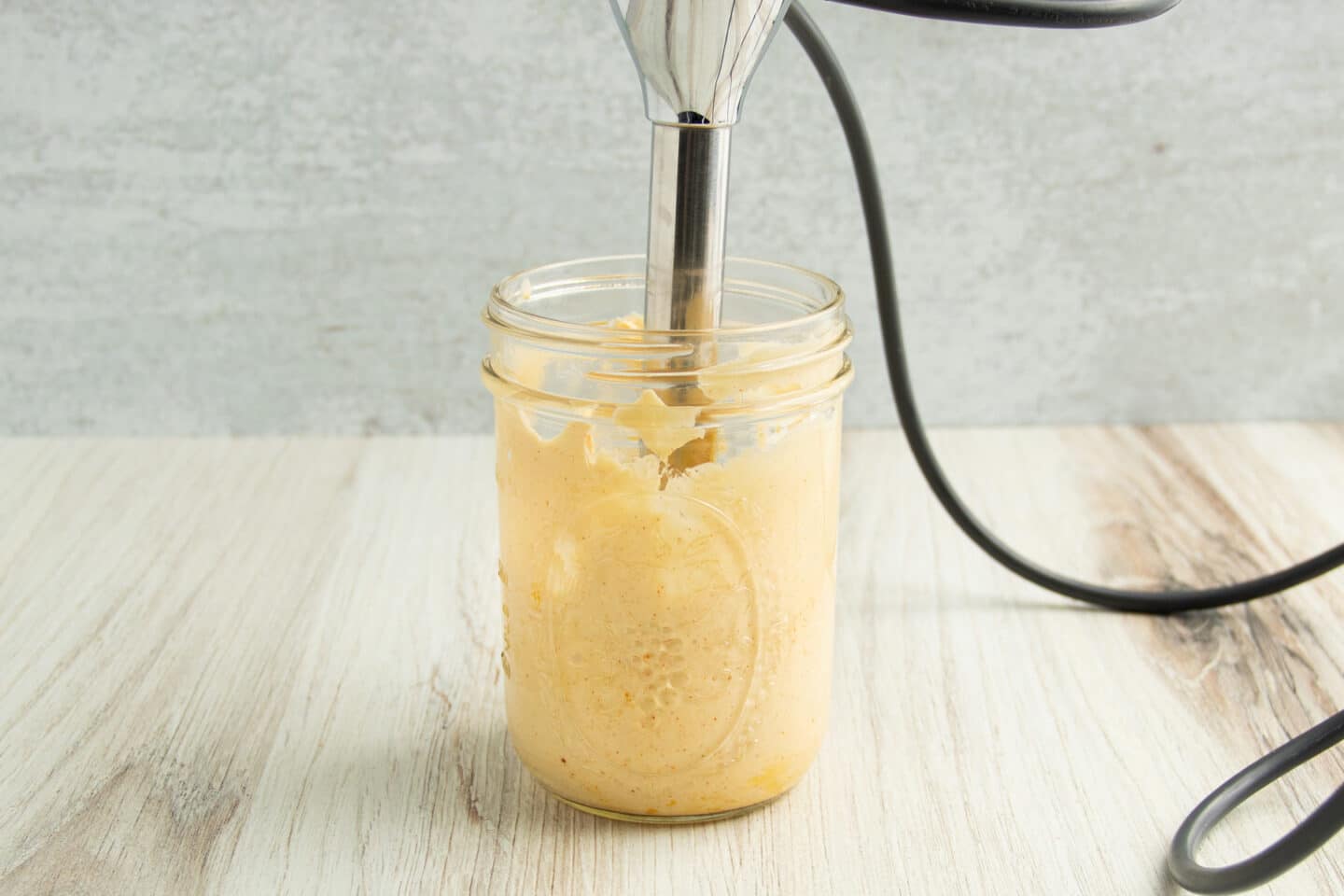
To work really neatly, use a wide mouth pint jar and use and immersion blender. Start the bottom, pulsing and then slowly lift the blender upwards until the mixture is emulsified. It happens quickly.
The egg yolk is used as a binder to help the oil & water remain in emulsion.
This sauce makes for a great tomato sandwich.
Ingredients
· 1 large egg yolk, at room temperature
· 1 teaspoon Dijon mustard
· 1 tablespoon freshly squeezed lemon juice
· 1 small garlic clove, finely grated
· 1/2 cup canola oil
· 1/2 cup extra-virgin olive oil
· Salt to taste – maybe ¼ tsp and then see from there.
Directions
1. Get everything to room temperature – it helps the emulsion process.
- Separate the egg yolk from the white. You’ll only need the yolk for this recipe.
2. In a medium bowl, whisk together the egg yolk, Dijon mustard, lemon juice, and grated garlic until well combined.
3. Begin adding canola oil very slowly, a few drops at a time, while continuously whisking the mixture. Add oil slowly at first to start the emulsion process.
- As the mixture begins to thicken and emulsify, you can start adding the oil in a thin, steady stream, still whisking constantly. Keep it moving.
4. Work in the Olive Oil:
- Once the canola oil is fully incorporated and the mayonnaise is thick and glossy, start whisking in the extra-virgin olive oil in the same slow, steady manner.
5. Taste and season with salt. Add more lemon if you want it tangier.
6. Homemade mayonnaise can be stored in the refrigerator for up to one week.