France & Food: Café culture wars
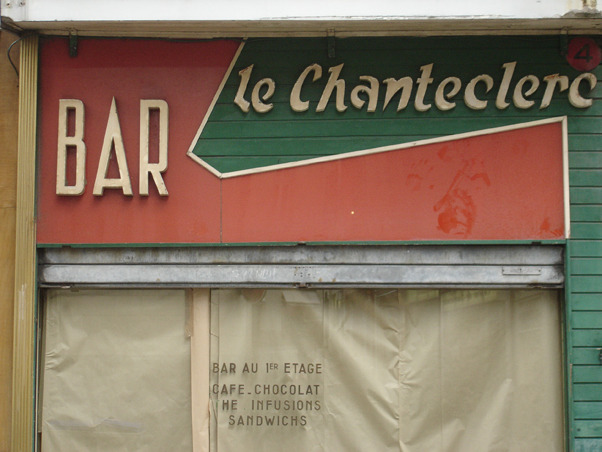
Café culture is a kind of defining feature of French life – and it is disappearing.
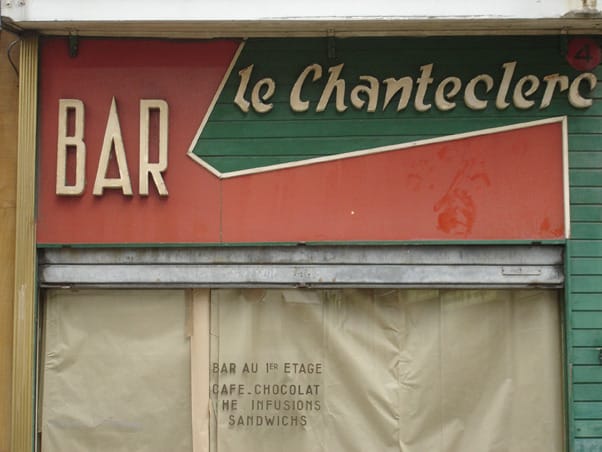
Our city has a lot of places to eat and drink
But…
It seems like every week or two, another café or small place that I like is going out of business. Where we are, there are more drinking establishments per person than in many other parts of France (we’re near Bretagne, the dark section on the left). It’s higher than Paris, with many more people in that city, and only so many cafes for them.
Thanks for reading Keith’s Substack! Subscribe for free to receive new posts and support my work.
It’s one of the things that I have come to love about our local bistro: it’s always kind of busy, it gets packed at lunch, and they seem to be closed for every holiday. And there are a LOT of holidays over here, always with Saint Somebody Did Something Day worth at least one long weekend a month. And the local café is not open weekends, either.
But the “normal hours”?
Monday - Friday
· 9-12pm coffee and drinks, no food
o 12-2pm lunch
· 2-7pm coffee and drinks, no food
o 7-9pm dinner
Only 1 seating for lunch and dinner.
That said, it’s always busy. Not every place is. If another place is doing those kinds of hours and they’re not super busy, they just can’t make it.
France’s loss of bistros
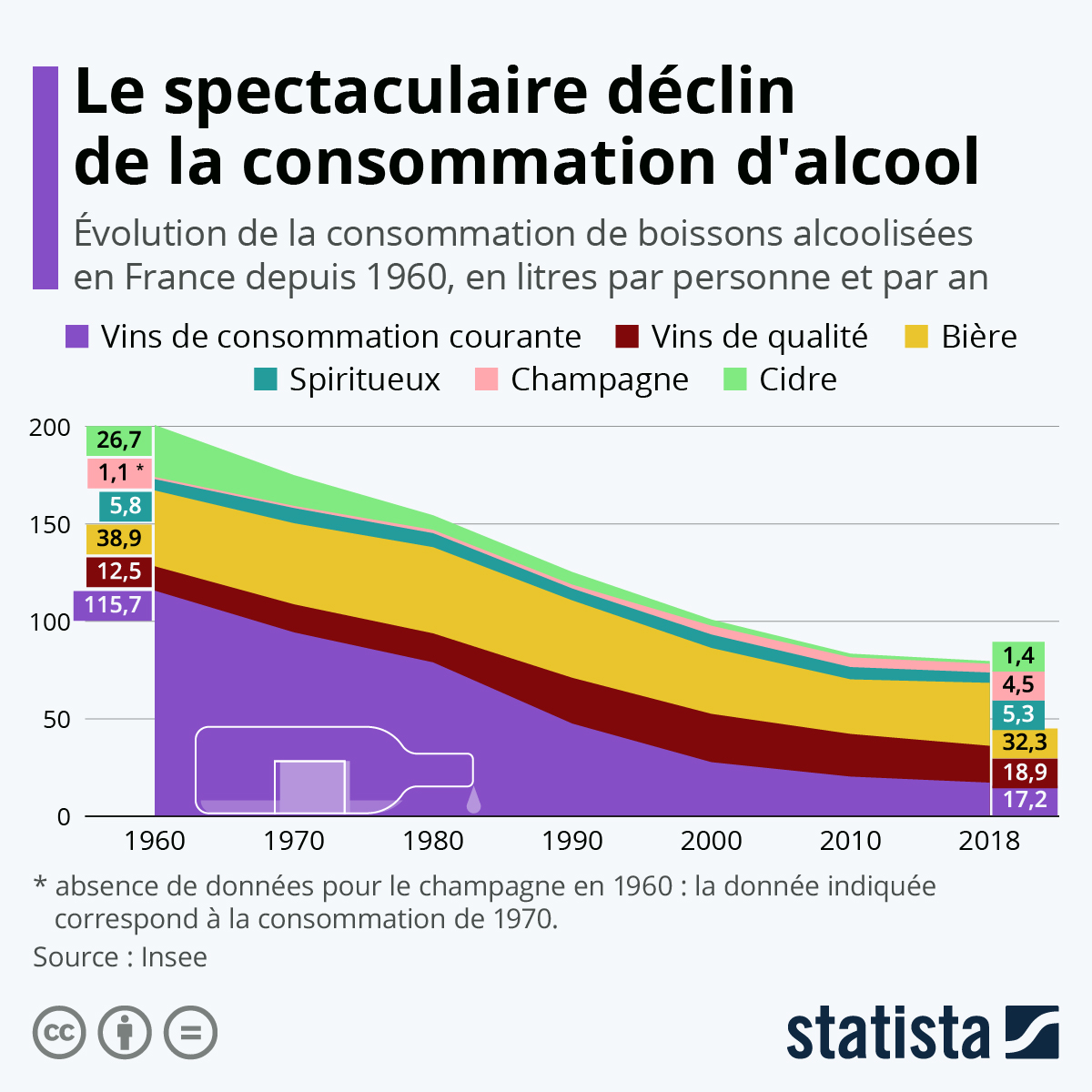
Le Parisien has claimed that the number of cafés and bars in France has plummeted from 600,000 in 1960 to only 34,669 in 2015. Others have said it was closer to 250,000, but the numbers are high. This is an average of 30 closures per day over the past 58 years. Over the last decade, despite roughly 2,200 new openings each year, there are 2,700 closures. This happens in a lot of rural areas, but also cities like ours. And that reports was from 2015: Covid, the energy crisis, and even the Ukraine War have increased the trend. It seems that banning smoking indoors was also devastating - in 2007.
Bistros and cafes are more than just places to have a drink, they’re a place to connect socially and many were the kind of hub of a small community. In recent years, some smaller towns have had people get together to create new bars – a town called Ohnenheim, in Alsace, lost all of their bistros over the last 20 years. Local politicians first converted their town hall into a pub, serving beer in the council room. When that became problematic, they sold the license to a couple who now run the local bar out of their house.
Elected officials have gotten involved to preserve drinking establishments, with some acquiring properties or licenses for historic cafes themselves or to support sports teams. Technically, this kind of thing has actually increased the number of bars, but they have strange and specific hours.
Fermeture Definitive
When a café does close here, it’s over fast. An owner of a different café that closed a few months back explained it to me.
“Well, they do a review and then you go into court. If you miss any of your bills, it goes to the court. They decided it all in about 5 minutes. I had to close the next day, I couldn’t take any more orders in, I can’t sell off any of the material that I have. It’s over.”
This seemed so alien to me that I could barely make sense of it, but it looks like they simply do not do credit for restaurants over here. There is no way you’re going to go into debt if your place is struggling. If it’s struggling enough to miss bills, then the court can just shut you down: “fermeture definitive.” Or “closed for good,” an administrative closure.
Food and drinks are really heavily regulated in France and that includes restaurants. Paying your bills is seen as an obligation to the public and not doing so is a problem for the authorities. They’ll give you some warning, but when it’s in front of the judge, it’s decided quickly.
Thanks for reading Keith’s Substack! Subscribe for free to receive new posts and support my work.