Where to Eat in France (Whenever They Decide to Feed You)
French Food Logic and a Field Guide to Eating in France
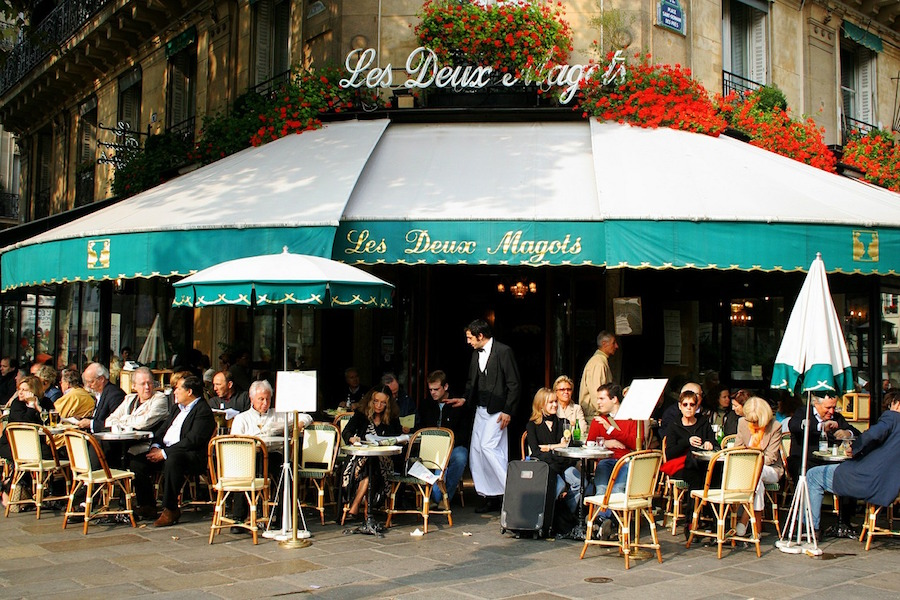
I spent an embarrassing amount of time just trying to figure out what I could eat, when, and where. In the smaller cities where I first landed, nothing matched what I thought I knew, or even what was on the internet. Meal times were strict, doors were often closed, and the signs above cafés were not so clarifying.
TL;DR – Eating in France has a lot of variables
Figuring out when and where to eat in smaller French cities can be tricky. Places labeled bistro, brasserie, restaurant, or café don’t work the same and may not be open when you're hungry.
these are often not explained.
Lunch is typically 12–2:30, dinner from 7–10, and many spots close completely between meals or on weekends.
Each type of place is mostly understood by locals, but they can be confused by terms as well.
Where the Hell Am I Supposed to Eat?
I spent way a lot of times in my first months in France just trying to figure out where I could eat—and when. You’d think it’d be simple, but in a country so focused on food, there are a lot of options.
Terms like bistro, brasserie, restaurant, café can all blur together, especially in smaller cities or when a restaurant is called Le Bistro, etc. .
Opening Hours:
Most French eateries keep tighter, more traditional hours than you might expect.
Lunch service usually runs from 12:00 to 2:30 p.m., with the real hit coming at about 12:30pm in most places
Dinner is typically served from 7:00 to 10:00 p.m., but the rush doesn’t start until after 7:30. I’ve walked into places at 7:00 p.m. that were empty—then, half an hour later, there wasn’t a free table in sight.
Since you’re almost never rushed out of a restaurant in France (though yes, there are limits—and I’ve definitely found them), this relaxed pace is part of why reservations matter so much.
Many places close completely between meals, and smaller spots may shut down entirely on weekends or Mondays. Always check before you go—especially outside big cities.
"Open all day" is not the norm here.
If there’s a 24 hour anything outside of Paris, I can’t imagine where. Maybe Marseilles.
Can I Eat Here or Just Smoke?
Is a brasserie the same as a bistro? Why is the "restaurant" closed when everything else is open? And why does the local “Café du Marché” serve steak-frites but not coffee after 5 p.m.?
I’ve made peace with the fact that I’ll never fully predict when or where the kitchen’s open—but I’ve at least decoded the names on the doors.
Can I even eat here? Or is this just where people chain-smoke and drink one espresso for four hours?
A lot of the terms for places to eat have really confused me at times. I’ll try to make these ones clear:
More stuff on France in your inbox!
Hours Unknown
What a Café, Brasserie, Bistro, or Restaurant Actually Means (Most of the Time)
Covid has changed the way that people need to run their places – this has been mentioned to me by people at least a dozen times.
Now, the smaller bistros in my neighborhood are never open on the weekends but do a booming business during a condenses dining schedule during the week. It just does not make as much sense for them to keep longer hours with fewer customers.
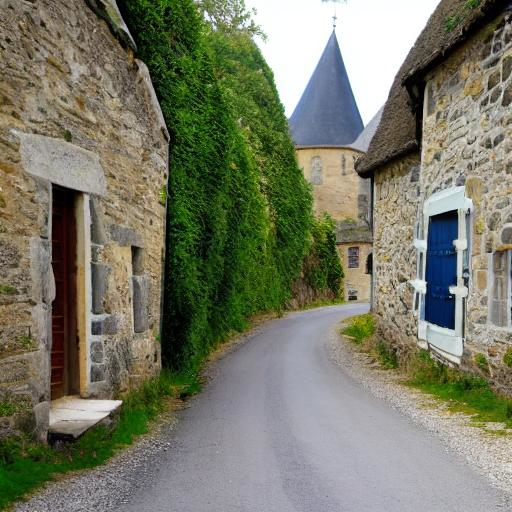
One of the first cafés I wandered into in a very small town in Britany was the local everything store and cafe - and a time capsule: yellowing lace curtains, slot machine in the back, and a clientele that hadn’t changed since Mitterrand.
It was 4pm and I was starving. I asked if they served food.
The bartender looked me up and down, and said:
“Le chef de cuisine est parti traire les vaches. Qu’est-ce que vous voudriez boire, alors ?”
(The cook’s off milking cows. So—what do you want to drink?)
He poured a nice cheap glass of red wine, I sat down and stared at the church on the plaza, past the hanging scratchie lotto tickets.
In a few minutes, he approached me almost apologetically and said, “We have peanuts.” He presented the small metallic packet like a bottle of wine.
Merci.
Cross-branding
Of course, some places have names like Le Bistro, Le Comptoir, and La Brasserie. While I haven’t seen a restaurant named Café yet, it’s possible.
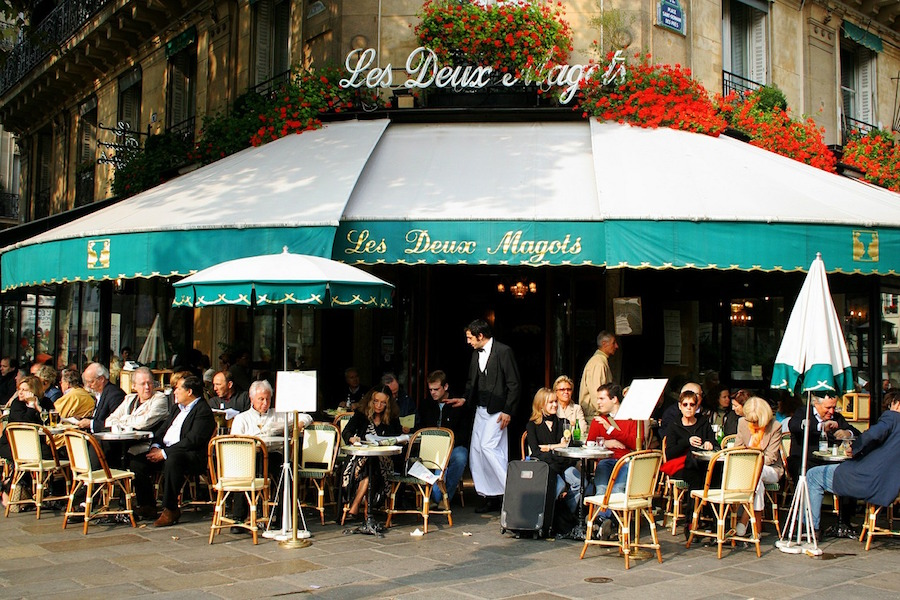
eat here, not there
French sit-down spots generally fall into four main categories: brasseries, bistros, restaurants, and cafés. Sure, there’s also pizza, fast food, and takeout, but these four cover most of the seated dining experiences you’ll come across—at least for now. Like everything else in French food culture, things shift.
These categories aren’t set in stone, but they do give you a sense of what to expect—both in terms of what’s on the menu and when you can expect to eat.
comptoirs
The word means "counter," but it’s often used for bars, lunch spots, or wine-focused places that blur the lines.
Where I live, there are five comptoirs within a the same neighborhood: two call themselves restaurants, two are bistros, and one is labeled a brasserie. Go figure.
Brasseries
Typical hours: 12pm-12am, but it can vary by location.
The term "brasserie," which also means "brewery," has evolved from its 19th century origins and can be a bit confusing, especially with places using the term "brewery" now in English, often for places that brew their own beer, brewpubs and the like.
A place near us is called Brassin Belge just to add that term. Much like the cervejerias in Portugal and Spain, brasseries offer meaty, cheesy quick bites alongside beer and wine with a simple bar selection.
Brasseries became popular in the 19th century as beer became a staple.
Today, many French brasseries also provide a full bar with traditional French dishes like steak frites, moules frites, burgers, and various fried dishes. All fast, simple, and general good quality, in an informal place. I prefer the divier ones myself.
Bistros
Typical hours: often 12pm-12am, or 12-2:30pm and 7-11pm for food.
Bistros originated in Paris earlier in the 19th century as well. Some in major cities maintain longer hours, while smaller places taking a break between lunch and dinner.
And this can differ in tourist places as well.
Bistro fare is fast and homestyle basics with a more limited menu. Classic French dishes like Croque Monsieur/Madames and stews such as cassoulet are common, but they may serve other types of food. Neighborhood restaurants with dishes that are quickly ready to serve.
Described as the neighborhood Local, bistros exude a casual, familiar vibe. One origin story suggests ties to the Russian word "bistra," meaning "quick," suggesting that somehow Russian soldiers occupied Paris in 1814 or around there and yelled that at French waiters, but that seems seriously unlikely.
Restaurants
Typical hours: 12-2:30pm, 7-10pm.
Restaurants cover a very broad spectrum and the most diverse or niche dining. Ranging from casual to formal and everything in between, including most global non-French cuisines. In Paris alone, the plethora of restaurants may exceed 40,000, for example. The term "restaurant" is a broad umbrella and covers the most exclusive and expensive places in the country as well as some takeout Chinese places.
Cafes
Typical hours: 8am-1am.
Cafés are about beverages. Sometimes referred to as débits de boisson—literally, "drink dispensers"—these spots focus on coffee, wine, and casual drinks.
Food is often available, but it's not the main event. With long hours from morning to late at night, cafés function as social hubs where people linger over a tiny espresso or sip rosé while watching the world go by.
Any unique dining experiences? any odd eatery rules anywhere you’ve been? I’d love to hear about it.
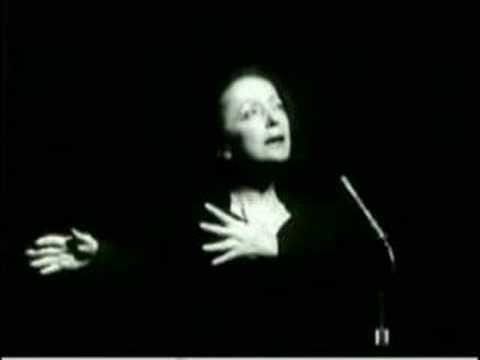
Michel Delpech’s Chez Laurette (1966), a sweet and nostalgic song about a humble neighborhood café that felt like a second home.
Seasonal Wildcards & Pop-Ups
Summer offers a whole new category of seasonal eateries, guinguettes, and pop-ups.
These spots might only exist for a few months—or a few weeks—and they often blur the lines between bar, canteen, and cultural event.1
You’ll find them along rivers, inside courtyards, on farms, or behind the skate park. A lot are also associated with campsites in the summer.
Guinguettes started as riverside dance halls and cheap drink spots in the 18th and 19th centuries2, and many still carry cheap & cheerful DNA—plastic chairs, cheap rosé, grilled sardines, maybe an accordion3
Pop-ups (le Pop-up): these are getting to be more frequent. a chef borrows a kitchen, a collective hosts weekend dinners in an old barn, or a wine bar turns into a ramen shop for two nights only. They’re spontaneous, hyper-local, and usually spread by word of mouth or Instagram stories4.
In nantes, there are a lot of places that have set popup locations, with different chefs in most nights of the week.
Hours are even less predictable. Some are open all day, some only on weekends, and most don’t bother updating Google Maps5. You’ll sometimes just stumble across them—or miss them entirely.
So yes, you might think you’ve figured out what a “restaurant” is, but then a picnic table near the riverbank has a chalkboard menu, a borrowed grill, and plastic tables and suddenly you’re having the best meal of the week.
Then you go back later - and it’s gone.
Related piece - there’s a whole other world of dining options on the road:
 Keith Christiansen
outdoor kitchens, food trucks, wine bars with DJs, and artists selling crafty stuff. ↩
The word “guinguette” comes from a cheap white wine called “guinguet.” They were once just outside city limits to avoid Paris taxes and moral policing. ↩
Sometimes accordion, sometimes a random guy singing karaoke, which seems to happen near us a surprising amount. ↩
Most pop-ups are advertised through Instagram, FB, or word of mouth. There are a lot near us that are on printed fliers like I haven’t seen in the US since the 1990s. Ask the wine guy or your neighbor. Or just follow string lights. ↩
“We’ll serve food when we feel like it, and you’ll wait an hour and we may also run out, but it’s very good.” ↩