Finding Home in a Changing World
sustainability, water, and governance matter a lot more than just picking where to live.
When we started looking for a home in France, we weren’t just thinking about charming stone walls or garden space. We were thinking about water. Specifically, whether there’d be enough of it—and how the place we chose would handle the increasingly erratic climate. A dream destination can quickly lose its charm when water shortages or climate extremes turn your ideal lifestyle into a daily stress.
The future is here; it’s just not evenly distributed. Wherever you choose to live, consider yesterday’s charm, but also tomorrow’s challenges.
Home in a Changing World
My wife often brings up water supply as we search for places to live. With her scientific mindset, she naturally considers the broader environmental context of any area we’re considering.
It’s not just about her quality of life, which does require her being able to grow things and access greenery, it’s about all of the ripple effects of water shortages. From rising local costs to inflation, and even the strain it can put on relationships with neighbors, water impacts much more than you might expect.
We’re not just focused on finding the right home today, we’re trying to think about what the location might be like in the years to come.
Places under stress can be fine when you’re on vacation or living as a tourist, when you’re invested in a place and you live in it, it’s your crisis as well.
I don’t say all of this to change anyone’s ideas of their dream destination, but maybe to consider yourself and your new neighbors. Wherever you land, you are a part of a community and part of a landscape: consider this for your own sake, but also for those of your new neighbors.
And wherever you want to be, you want to know people: anonymous people have anonymous problems.
Water shapes economies, drives inflation, and often sets the stage for conflict.
These stresses may shed light on some of the challenges locals face, as areas already strained by water and population pressures see rising costs in food, housing, and overall quality of life.
Places that Plan, Places That React
Blaming politicians for short-term woes is easy, but there’s a larger truth here: we’re up against the carrying capacity of the planet itself. The environment isn’t just linked to the economy—it is the economy.
And like it or not, how the economy performs does matter to us. Torrential downpours in Spain make headlines, but water shortages quietly push cities like Lima, Mexico City, California, London, and New York to their limits. The stress on water also stresses budgets, limiting forward-thinking investments.
We wanted to live somewhere that wasn’t just reacting, but planning.
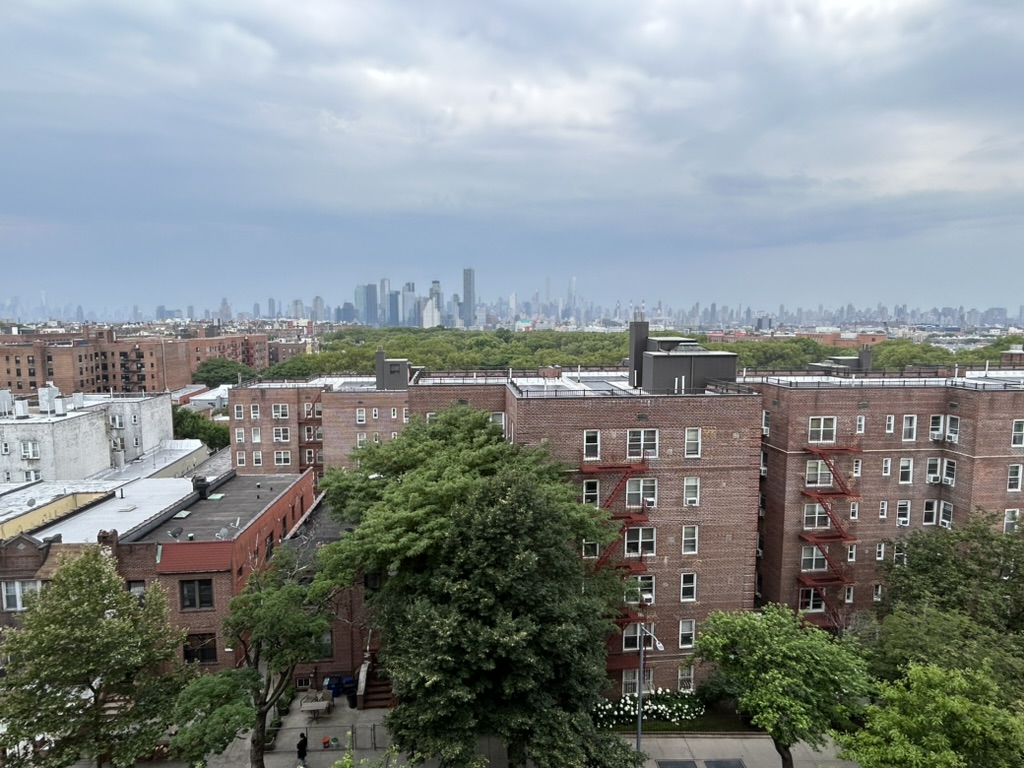
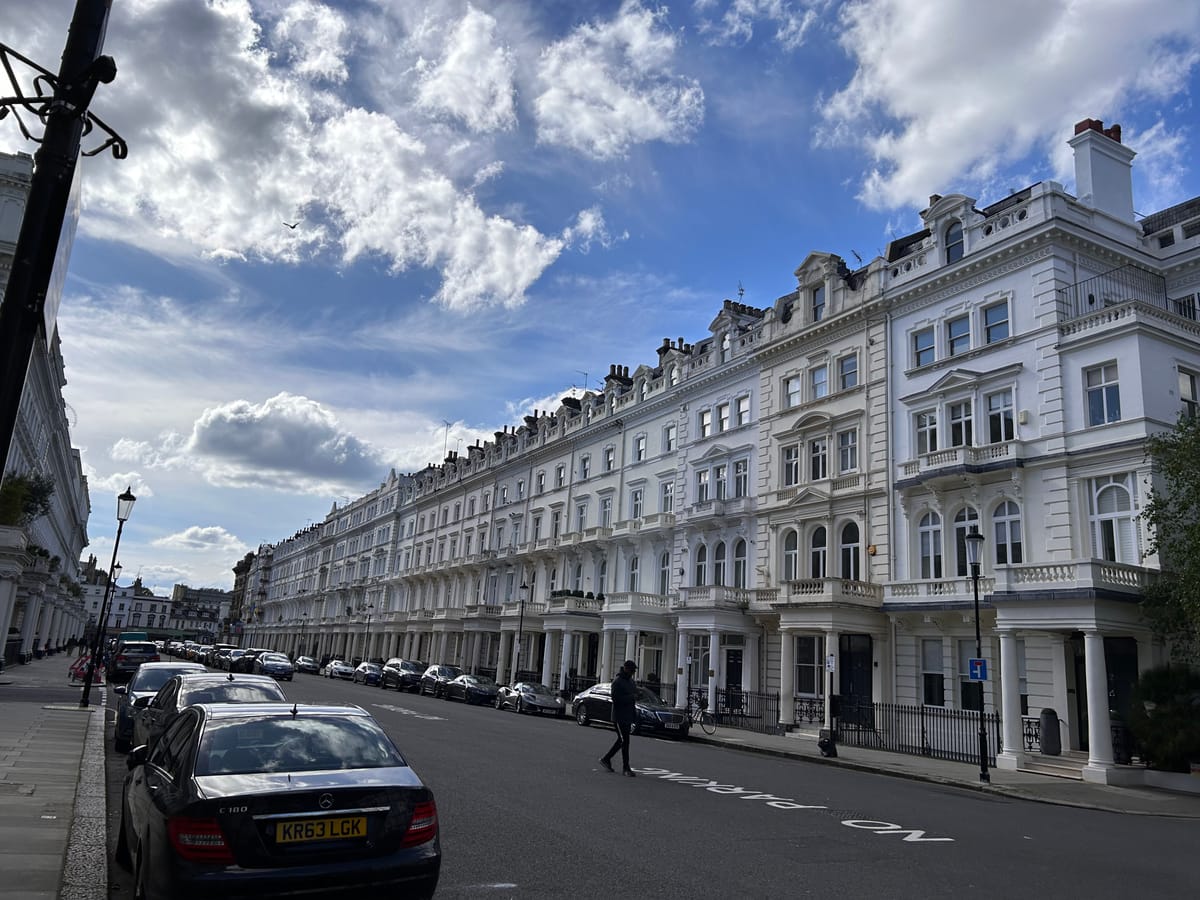
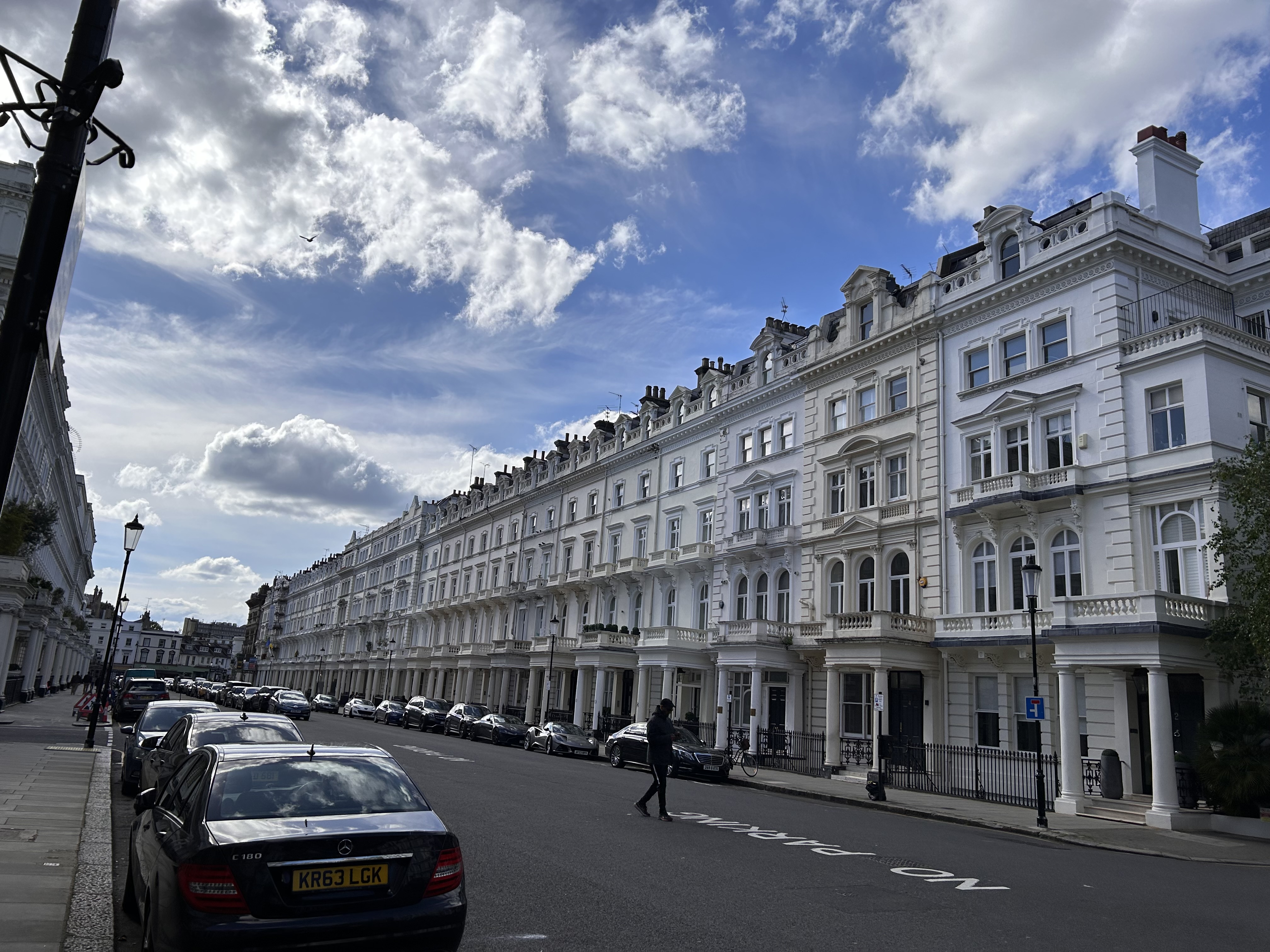
When we were in London 2 years ago, the country was in an incredible drought. Historically vibrant green England was parched and gray as we flew in.
London's water system has some pipes over 150 years old, losing 620 million liters of treated drinking water every day, over 20% of total supply. The city was doing water rationing while some neighborhoods were flooding due to burst pipes. The number of burst pipes has been reported regularly over the past several years.
After investing over £500 million, the problem has gotten worse. That poorly managed money didn’t address the crisis – and it likely limits the government’s ability to deal with other things. Other cities in the region have similar problems. This problem isn’t going away soon.
It’s not perfect, but one of the reasons we chose our current city was due to some the policies that were visible as we were walking around. There’s a great video by an American in our city, showcasing how local policies focus on sustainability and making life easier for people.
Yet Nantes still loses about 23% of its water supply, a figure highlighted during the same UK drought two years ago. Both places have been historically very rainy, so losing water supply like that wasn’t seen as a problem.
But that is changing…
The Irony of Beautiful Destinations
Water—or its absence—is reshaping our world, often unnoticed. Moving to places already struggling with sustainability adds strain to everything, including you and your new neighbors.
Sun-soaked destinations like the south of France or desert cities like Las Vegas have the appeal of scenic views or affordable housing, but have incredible resource challenges. It’s like buying a house on a cliff for the view, but ignoring erosion. Yet people keep moving to places like Texas and Nevada, while water supplies and temperature extremes become more volatile.
If your dream is a home in the south of France, it’s faced severe droughts and 30°C heat this month - that’s December - hardly idyllic. Moving abroad means adapting to a new context, but those historical contexts are changing too.
When we first arrived in France, even famously green Bretagne was gray and parched after a monthslong drought. It’s still one of our top choices for a home because this part of the country has been the most stable in all of France for the last 10 years, in terms of rainfall and more extreme weather events.
Governments
In Spain, last month was dry, with 40% less rain that usual. Yet, DANA events led to intense rainfall in Valencia and Málaga as torrential downpours caused devastating floods, making it one of the deadliest natural disasters in Spain's recent history.
Maybe no amount of planning could fully anticipate such catastrophic events, but poor leadership and weakened infrastructure amplifies the damage, failing to address predictable risks.
Last year, parts of northern Italy, Spain, and France had severe water shortages and extremely dry winters. These regions rely on rainfall and snowmelt to replenish reservoirs, a dry winter means that water shortages will continue.
For people looking to move there, these challenges might be more than just inconveniences, but higher costs for utilities, food, and essential services accompany scarcity.
Unreliable water access can disrupt daily routines, from cooking to hygiene – for you and your neighbors. Amenities like pools or green spaces may be restricted or disappear entirely. Your own budget may suffer and your own ideas of what kind of life you wanted to live might be compromised.
And that might already be true for your neighbors. Socially, such shortages can exacerbate tensions between locals and newcomers, especially if expats are seen as consuming more than their fair share (many are) or somehow protected from hardship.
Where you choose to live isn’t just about finding a place you love today - it’s about choosing a place that will allow you, and those around you, to thrive in the future.
Balancing personal dreams & environmental realities isn’t optional: it’s essential for finding a secure home and building a sustainable and resilient life.
Some other events in the region:
Anywhere you are looking to go, it’s worth looking back a few years to see about extreme climate events in the region. Here are some I’ve recently considered:
- France: In February 2023, France recorded its driest winter in over six decades. In the Pyrénées-Orientales, Drôme, Ardèche, and Var, water restrictions limited irrigation, watering lawns and filling pools. Hundreds of municipalities struggled to maintain drinking water supplies.
- Spain: Earlier this year, reservoirs near Barcelona dropped to 9% of their capacity, risking water access for six million people. In the fall, they were replenished, but still to only about 30% of their capacity. It’s not just Airbnb and expats driving up rents, although that’s massively important - locals have a range of concerns that anyone considering a move should take the time to understand.
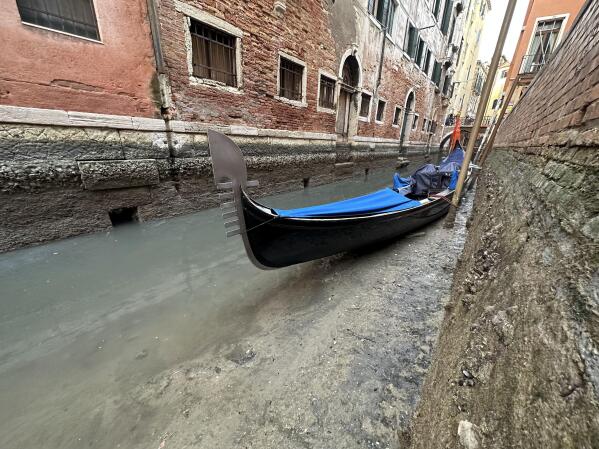
- Italy: in 2023, the Po River reached record-low levels and Venice's canals went dry. Leaks were found to account for 42% of water losses in areas infrastructure. The government launched a €7.8 billion water management plan, accounting for nearly 9% of the country’s €86bn deficit.
Some tools for more research:
Here are a few tools my wife and I have been using as we consider where to move:
- Coastal Climate Central Flood Map:
This map shows potential flooding under various sea-level rise scenarios. This should be focused on the Loire Valley in France, but it’s global. - GDACS (Global Disaster Alert and Coordination System):
Real-time data on global disasters. - NOAA Natural Hazards Viewer:
National Oceanic and Atmospheric Administration tool that shows data on natural hazards worldwide.