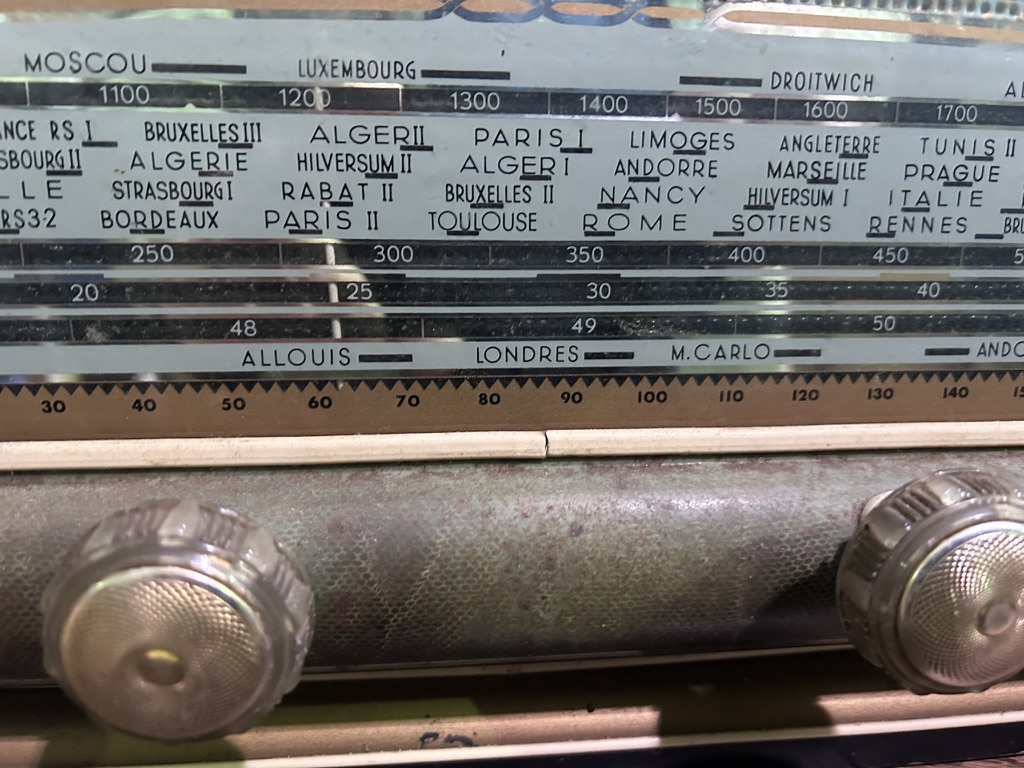
Eye Surgery, Pretty Lights, and the Not-So-Pretty Recovery
I'm out of commission this week, navigating post-op life (and the French healthcare system) while avoiding screens - mostly
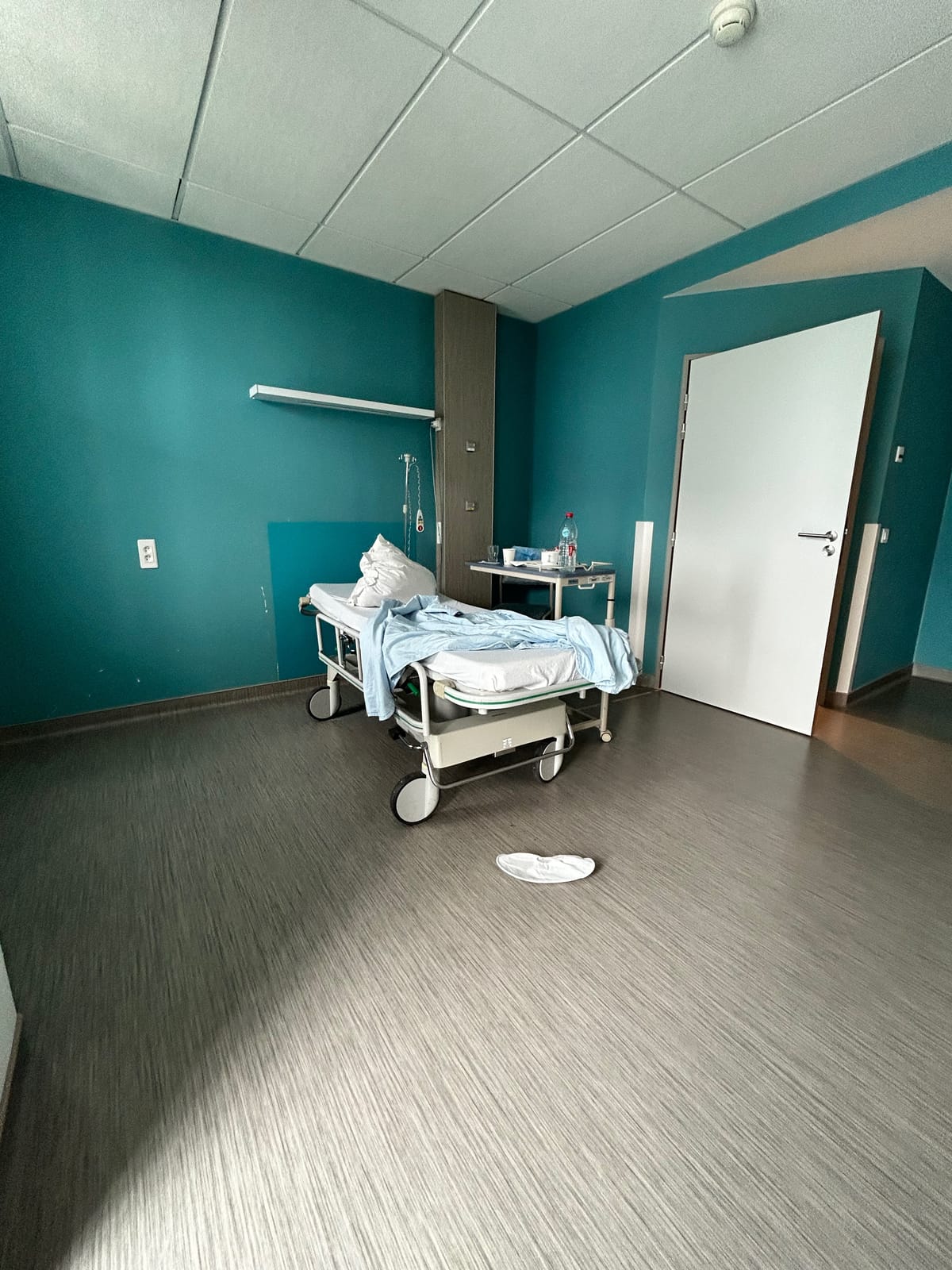
Out of Commission: Eye Surgery Edition
Last week’s adventure was a sudden eye surgery (detached retina, thanks for asking!), so this week’s series of triumphs will include recovery, not walking into walls, and trying to time my rare outdoor excursions so I don’t look like a total weirdo wearing sunglasses when the sun is nowhere to be found. Which, given the winter sky here, is most of the time, except for fleeting moments that remind me of some Ray Bradbury* story.
Post-surgery life right now feels a bit like All Summer in a Day—waiting endlessly for the sun to come out, only to blink and miss it. Trying to step outside at the right moment feels like some weird test of timing, and when I finally do, it’s a toss-up whether I’ll actually enjoy the sunlight or just squint like a vampire and retreat immediately.
Vision in my left eye is more like a creative expression at the moment - a bit unpredictable, abstract, even a bit impressionistic (at night, it adds more purples). Some moments, it’s a soft-focus art film, like something Sybil Shepherd did in college; other times, it’s a bad glitch effect from an ’80s VHS, jittery and unreliable.
My doctor, in an attempt to make the whole thing sound a little less horrifying, mentioned that some of his patients describe the lights during the procedure as “pretty.” Which—sure. If flashing colors and lasers inside your eyeball are your thing, I guess that’s a plus?
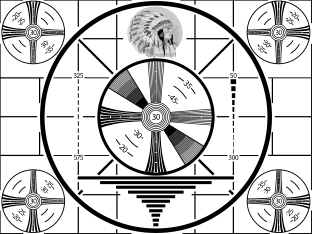
It felt less like Laser Pink Floyd and more like watching an old test pattern screen on TV, but from inside my eye - just before it turned off for the night.

French Healthcare: Excellent, But Bring a Folder
Going through medical procedures entirely in French? Definitely the deep end of the language-learning pool—especially when post-op instructions are a blur, both literally and linguistically.
Recovery isn’t much prettier: lots of rest, distorted vision, and an ongoing test of just how much French I actually understand when a doctor is talking at warp speed and my eye is too sore to focus on context clues.
If you’ve never dealt with the French healthcare system, it’s a wild mix of pleasant efficiency and lots of paperwork. If you’re ready for both, it can actually be a nice experience, surgeries aside.
Just take a number - someone will have some number somewhere for you. For a single day procedure, I needed to check in and check out. For both, the system at this hospital required that you had to check in with a person, who then told you what button to press on a kiosk to then get a number so you could sit down in the waiting area, when your number was called, you would go into a small cubicle to then check in with a person again.
And yes, the kiosk said very plainly what buttons you should press.
As nice as they were, the person at the desk seemed to offer little more than a pleasant “Bonjour!” and then a knowing nod, once you told her what you were there for, as if to say, “Oh yeah - that is the kind of thing you’d be in a hospital for. You go ahead an press that button.”
It’s a bit weird, but it works.
May Cause Mild Disorientation
The overall system had been pretty excellent in my experience, even if everyone complains—appointments are generally quick (unless they’re not), doctors take their time with you, and most medical costs are covered by the state (sécurité sociale).
But you do need a supplemental insurance policy (a mutuelle). For us, it’s a requirement of our visa, but I have heard of a few people being surprised by this.
For example, my eye surgery was covered at 100% because the mutuelle picks up the remaining costs. Without one, you’re still paying far less than in the U.S., no matter what.
That said, the process itself is shockingly straightforward—you check in, go through the greeter-kiosk-waiting-room-"someone will see you now" routine, get treated, pay your bill on the spot, and you’re done. No mystery charges appearing months later, no surprise bills for God knows what, no labyrinth of insurance denials like in the U.S. Just medical care, a clear price, and you walk out knowing exactly what you owe—if anything.
While the last thing I wanted to do after my eye surgery was then navigate a payment procedure, the bill is very straightforward, you pay it, and then it’s over and done. That is all.
It’s almost impossible to explain the American healthcare experience to people here. And yes, some morbidly curious folks have seemed to want to know a little about it.
They hear the words, but I can tell most just don’t compute how it’s possible to be charged separately for aspirin, applesauce (“dietary” provisions), the room itself, nursing care, a mystery "facility fee," and even the guy who wheels you out of the OR—all billed separately, all in impressively large numbers.
The idea that you might also get a separate invoice from the anesthesiologist weeks later all just sounds like a bad joke. I don’t blame them for the confusion. It barely sounds real to me, either, and I lived it. We once paid $1500 to have my wife driven by ambulance across the street, basically, when 2 hospitals were around the corner from each other.
France Still Loves Paperwork
France still runs on paper. This is especially true in the hospital.
Yes, there are apps, and yes, digital healthcare records exist, but you should still print everything because someone, somewhere, will ask for it. Every visit generates a new form, a new prescription, and a receipt you may or may not need to submit later.
If someone gives you a piece of paper, hold onto it. Guard it.
Keep a folder. Carry the folder. Become one with the folder.
This Concludes Our Broadcast Day
What I can tell you is that recovery is definitely not pretty. There’s a lot of forced rest, screen avoidance (which, in 2025, feels borderline impossible), and a general sense of being slightly useless for a while.
But all in all, it’s necessary. My eye no longer looks like that scene in Terminator, but I’ve moved from Terminator to 28 Days Later—still in the same general genre of "not my best look."
I do have a few posts lined up, so I’ll try to keep the regular (Music, Experiences, Food – M/W/F) schedule going. I just might not be as quick to respond, though I still love hearing from you all—just forgive any extra typos or missing words while I attempt to type with one functioning eye.
In the meantime, I’ll be here—blinking aggressively, trying to read signs from a distance like an optometry drop-out, and perfecting my ability to navigate my own apartment without depth perception. It’s a learning experience.
K
*Bradbury reference
If you don’t have time to watch the remarkably cringey 1980s version above, I suggest reading All Summer in a Day—it’ll take half the time and leave twice the impact. I’ve taught the story for most of my career, so happy to discuss anytime.
If you want, I am sure I can find some worksheets for you all, we can do them for homework and then gather on the rug to discuss.
I’d actually really enjoy doing that, honestly.
Like, share, comment - all that stuff.
Thanks for reading! It’s great to know that folks are getting something out of this.
If you like what you’re reading and want to support it, you can buy me a coffee while I rediscover sensation in my left eye. Consider it a small donation to the "Keith Tries Not to Walk Into Walls" fund.
So far, the wall thing is not going great.