Mutant Disco -The Other Side of the Mirrorball
Cristina’s bizarre bilingual disco debut wasn’t just satire—it was the only disco song made by a member of the Velvet Underground.
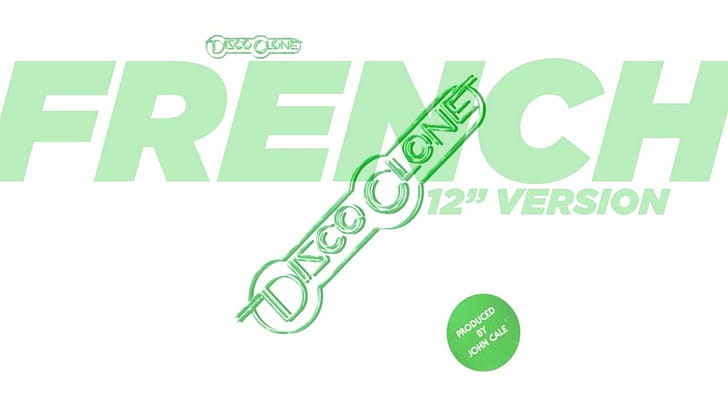
Sometimes a song starts as a joke and ends up a hit on the dancefloor. Disco Clone was supposed to be making fun of disco—part performance art, part prank, with Cristina deadpanning about being replicated in a disco lab and a really flat delivery of the lyrics.
But between John Cale’s production, ZE Records’ art-punk ambition, and a catchy hook, it became a kind of favorite with DJs. With only 1,500 or so original pressings, it became a cult rarity and was released again the following year.
And Cristina’s not a good singer, but that didn’t stop a lot of other performers in this era. This was deep in the middle of the US disco goldrush and people were trying to cash in.
Unironic Disco
Disco Clone (1978) is performed (not really “sung”) by Cristina, a New York socialite pulled into music by ZE Records co-founder Michael Zilkha. Produced by John Cale (yes, from The Velvet Underground), it was the label’s very first single—catalogued as ZE001.
They made a quality record and the timing was right. People were ready to dance to a track making funny of the whole shallowness of disco. This video walks you through the story:
Disco Clone (French Version - Cristina (1978)
That’s the thing about disco in this period: if it was produced well enough, it could slip, ironic or not, and still get people dancing.
What’s strange is that it worked. A track written to mock the shallowness of disco culture, fronted by a woman with clearly no vocal training, with a voice over, which typically kills any dance track, and then produced by Cale—the co-founder the Velvet Underground who once set a piano on fire as performance art.
The French version was made to capitalize on disco’s massive popularity in France at the time. This is the same year as Le Freak by Chic and Gloria Gaynor’s I Will Survive, both of which sold a lot more than 1,500.
But it was a year after Cerone’s Supernature was released: a dark, apocalyptic sci-fi disco with mutant creatures rising against humanity. The lyrics, written by Lene Lovich, were about genetic engineering gone wrong. It’s amazing.
clever enough
Everything about it should’ve collapsed under its own cleverness. .
That tension—art-school irony wrapped in glossy pop production—was exactly the chemistry ZE Records was after. Disco Clone became the prototype and mutant disco was a whole subgenre.
The original version featured vocals in English and French by Anthony Haden-Guest, but his version was said to be “insufficiently jaded” by the producers. The 1979 reissue included a then-unknown Kevin Kline as the male voice, who seems to have asked to not to be on the credits.
mutant disco
ZE Records’ “mutant disco” was an interesting mix - a genre-bending blend of punk, no wave, funk, and pop. Their style was all over the map
Their roster included Kid Creole, Was (Not Was), James Chance, Suicide, The Waitresses, and Lizzy Mercier Descloux (who I’ve written about before).
John Peel once called ZE “the best independent label in the world,” and you can hear why—this track nails a specific, unrepeatable moment in time. Mutant Disco, with all its aloof weirdness and genre-scrambling charm, is my favorite corner of the disco universe.
These are the kinds of strange, half-lost artifacts I love stumbling into.
More weirdness, please.
More viewing and reading!
Disco Clone (English Version) 1978
And released again as a part of ZE’s retrospective.
further reading
I’ve written a lot about disco in France - these are just the weird ones.
 Keith Christiansen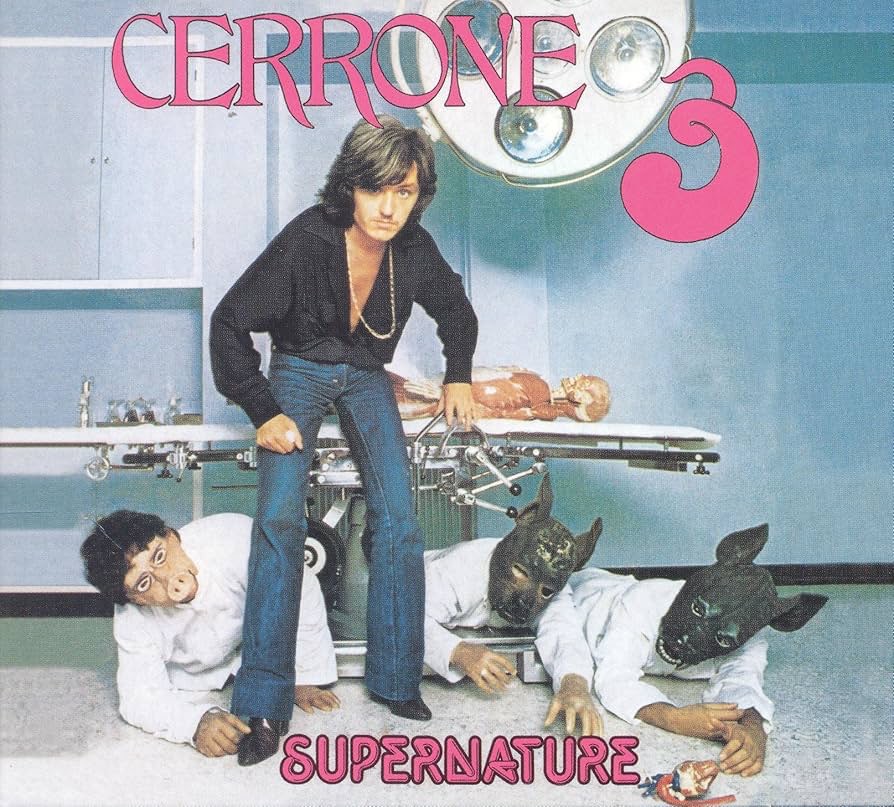
 Keith Christiansen
 Keith Christiansen