Le Temps des Fleurs Dalida (1968) Nostalgia from the beginning
Dalida was a multilingual icon of a performer with an amazing voice and a tragic life
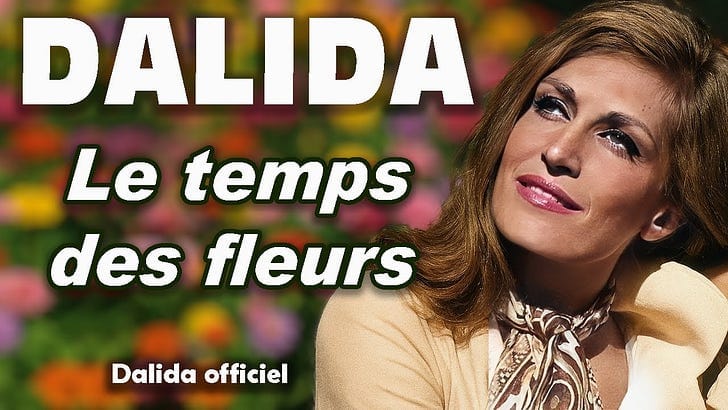
Dalida’s "Le Temps des Fleurs," released in 1968, is a beautiful song dripping with nostalgia and melancholy, but happily. It’s a song about longing for lost youth, the fleeting nature of happiness, etc. , but it was also released in the middle a sea of peace-and-love English languages songs in the same year. Dalida chose to sing of sadness and loss, which for me, is emblematic of the artist herself, a singer and actress whose career spanned over 30 years of global stardom - everywhere but in the US.
She was an icon.
Yolanda Cristina Gigliotti (17 January 1933 – 3 May 1987), better known as Dalida was an Egyptian-born French and Italian singer and actress who performed and recorded in more than ten languages, including Arabic, Italian, Greek, German, French, English, Japanese, Hebrew, Dutch and Spanish.
globally famous
Dalida sold over 170 million records and garnered more than 70 gold records. Twice honored with the Oscar Mondial du Succès du Disque (the "World Oscar of Recording Success") for selling the most French records to international audiences. She is the only European singer to have won this award more than once.
She remains popular today - on Spotify: "Le Temps des Fleurs" has over 45 million plays more than 50 years after its release.
Her catalog includes over 700 songs recorded and 45 studio albums performed in genres ranging from chanson française, pop, and disco to world music, rock, jazz, multiple styles of Arabic music, and classical crossover (whatever it is that Andrea Bocelli used to do).
After winning Miss Egypt in 1954, she moved to Paris to pursue acting, but it was her singing that made her a star. Her career took off in 1956 with the hit "Bambino," and over the next 30 years, she released a string of hits across genres, including the 1973 duet "Paroles, Paroles" with Alain Delon. The song played on the chemistry between the two, leading many to speculate about them. They were close friends but maintained a (mostly) platonic relationship.
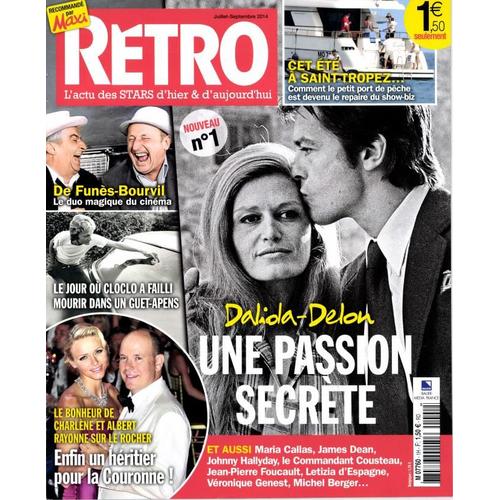
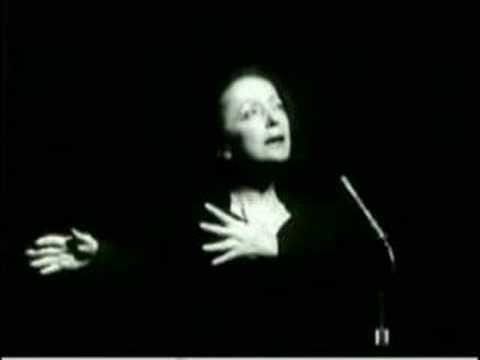
She was iconic in France and for fans, she embodied the glamour and tragedy of celebrity. Her emotional depth drew comparisons to Edith Piaf, and her vocal power to Barbra Streisand.
"Le Temps des Fleurs," originally written in Russian as "Dorogoi dlinnoyu" or “The Long Road” (the Aleksander Wertinski version is classic, Nani Bredvadze’s gets strange, at least the video does) and adapted into French. It was an instant hit, reaching the top of the charts just two weeks after its release and earning Dalida her 28th gold record. Following its success, she recorded the song in Italian ("Quelli erano giorni") and German ("An jenem Tag").
For me, Dalida’s "Le Temps des Fleurs" is a poignant reflection of her legacy with the nostalgia and melancholy that seems to have defined her.
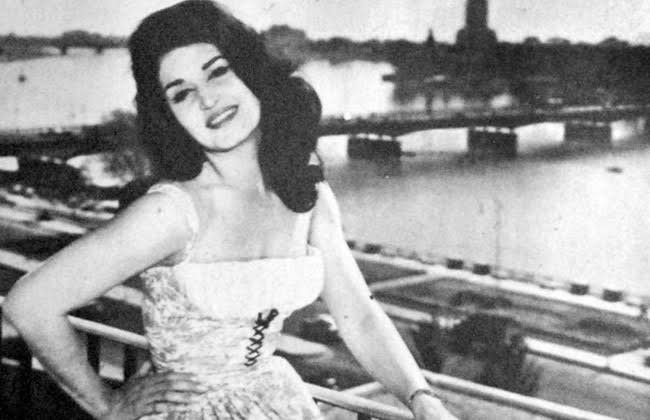
Despite her global fame, she battled severe depression, worsened by the suicides of several close loved ones, including three romantic partners. After two previous attempts, she took her own life in 1987, at age 54, leaving a note that read, “Life has become unbearable for me...forgive me,” revealing the deep despair beneath her public image.