Curnonsky: The Prince of Gastronomes Who Rediscovered the Soul of French Cuisine
How the "Prince of Gastronomes" Elevated Rustic Dishes Like Cassoulet and Bouillabaisse to Culinary Fame
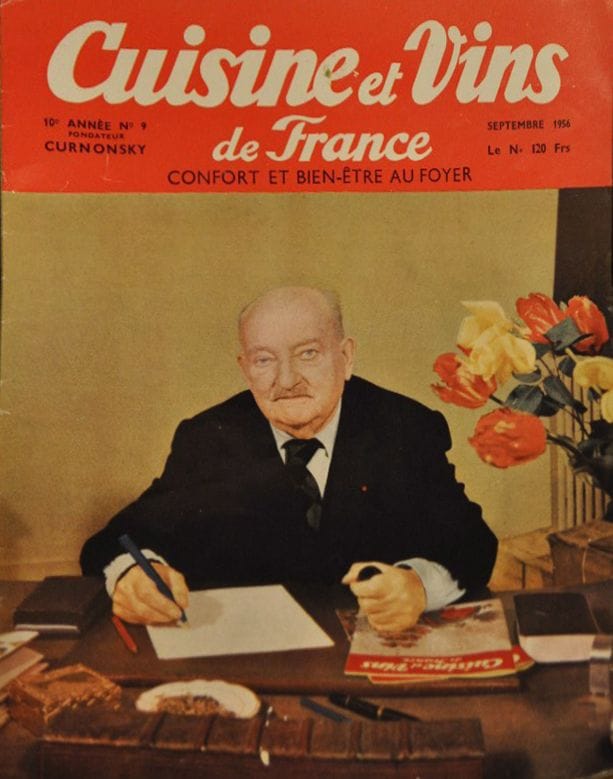
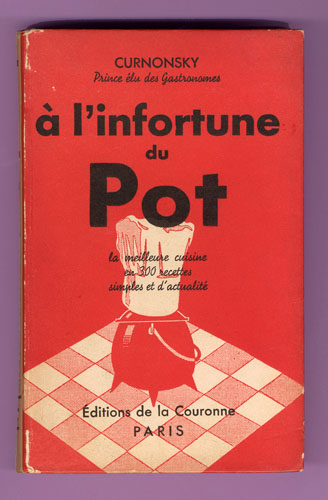
Curnonsky (born Maurice Edmond Sailland, 1872–1956) remains a key figure in culinary history for his role in preserving and championing regional French cuisine, at least among those who study the history today. His pen name fused the Latin "cur non?" (meaning "why not?") with a then trendy Russian-sounding "sky." In 1927, Curnonsky was crowned the "Prince of Gastronomes", and published an enormous amount of work championing rustic, authentic French dishes in a time when haute cuisine reigned in Paris. His work focused on promoting meals shaped by local landscapes and traditions made him one of the most influential food writers of his era.
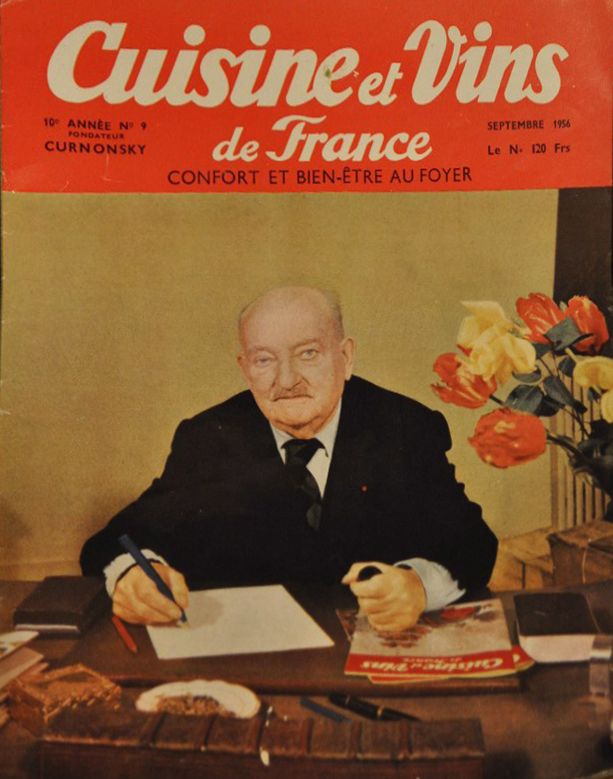
Curnonsky was titled the "Prince of Gastronomes" by chefs and journalists at a banquet held in his honor in Paris in 1927. He co-authored the "La France Gastronomique" series, a 28-volume collection, preserving and popularizing rustic dishes like cassoulet and bouillabaisse, which have since evolved into gourmet staples. His contributions solidified the Michelin Guide as a culinary authority, and he co-founded the Academy of Gastronomy and the Academy of Wines of France, both of which continue to shape French food culture today.
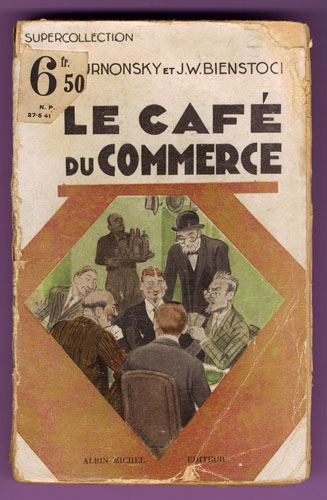
Despite not being able to drive, Curnonsky is credited with inventing gastronomic motor-tourism, laying the groundwork for culinary travel as popularized by Michelin. Between 1921 and 1930, long before Anthony Bourdain’s famed travels, he explored France similarly, championing la cuisine du terroir—authentic country cooking tied to regional traditions. A prolific writer, Curnonsky authored or ghostwrote over 65 books and seemingly endless articles. His name was everywhere. He was a prominent figure and a kind of imposing figure, known for standing 6 feet tall at 277 pounds, typically wearing a black bowler hat, which became his signature.
Curnonsky advocated for paysanne cuisine, the simple, rustic food of his Anjou childhood. His culinary philosophy was clear and direct: “Good cooking is when things taste of what they are.” This belief was consistently shown in his writing, running contrary to all of the trends of his day.
Recipe: the humble Boeuf bouilli au gros sel
Curnonsky wrote that some of his favorite dishes (there were many) were the simplest, like boeuf bouilli au gros sel (boiled beef with coarse salt). For him, it captured his philosophy of letting quality ingredients shine. No heavy seasoning or intricate techniques—just good meat, slowly simmered with vegetables and aromatics, resulting in a rich broth and tender, fall-apart beef.
In today’s world of grilling and searing, boiling beef might seem sacrilegious, but this dish is all about deep, comforting flavors, much like pot-au-feu, but rarified.
Curnonsky might have preferred Charolais beef , but chuck roast, brisket, or shank work well. You can use Angus if you want to get fancy.
What matters is the slow, patient cooking that draws out the rich, natural flavors. Simple, but when done right, it's super satisfying.
And don’t overcook your beef. Even stews have their limits.
Recipe: Boiled Beef with Coarse Salt (Boeuf Bouilli au Gros Sel)
Note: You can also bake this in a Dutch oven at 300°F (150°C) for about 3 hours.
Ingredients:
- 2 lbs beef chuck or brisket
- 1 marrow bone (optional)
- 4 carrots, large pieces
- 2 leeks, halved
- 2 onions, halved
- 2 turnips, quartered
- 1 bouquet garni (thyme, bay leaf, parsley)
- 10 peppercorns
- 10 cups water or broth
- Coarse salt, Dijon mustard, and cornichons (for serving)
Instructions:
- Simmer Beef: Place beef and marrow bone in a pot, cover with water or broth, and simmer, skimming foam.
- Add Veggies: After 30 minutes, add vegetables, bouquet garni, and peppercorns. Cover and reduce heat.
- Cook: Simmer for 3 hours until beef is tender.
- Serve: Slice beef, serve with vegetables, coarse salt, Dijon mustard, and cornichons. Use broth as soup.
Curnonsky’s Legacy: Beyond the Plate
Curnonsky believed the best meals came from simple, well-prepared ingredients rooted in tradition.
Curnonsky transformed how French cuisine was understood: without formal culinary training or Michelin stars, he recognized that the heart of a culture lies in its food. Dishes like cassoulet and bouillabaisse became more than just meals—they evolved into cultural symbols of French culinary heritage.