C'est la Grève: Stikes and Daily Living in France
Understanding France's culture and national sport: the protest.
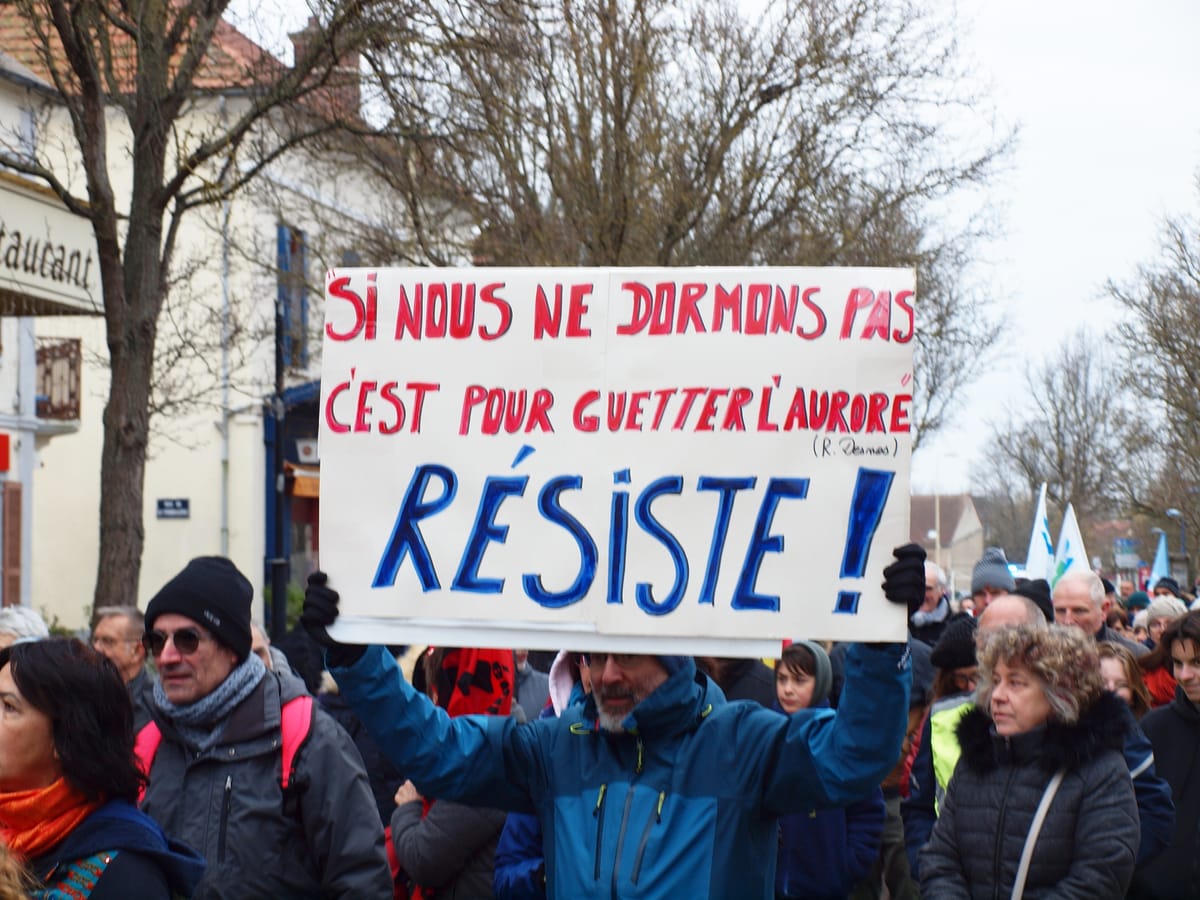
When we first arrived here, there were a series of different strikes going on that paralyzed the city we currently live in, Nantes. Even “paralyzed” feels like an exaggerated description because most of the folks here just adjusted to the inconvenience and went about their lives. On a level, it seems that the French accept protests as a part of their daily lives and are largely supportive of working people in the country.
Stories from our life in France.
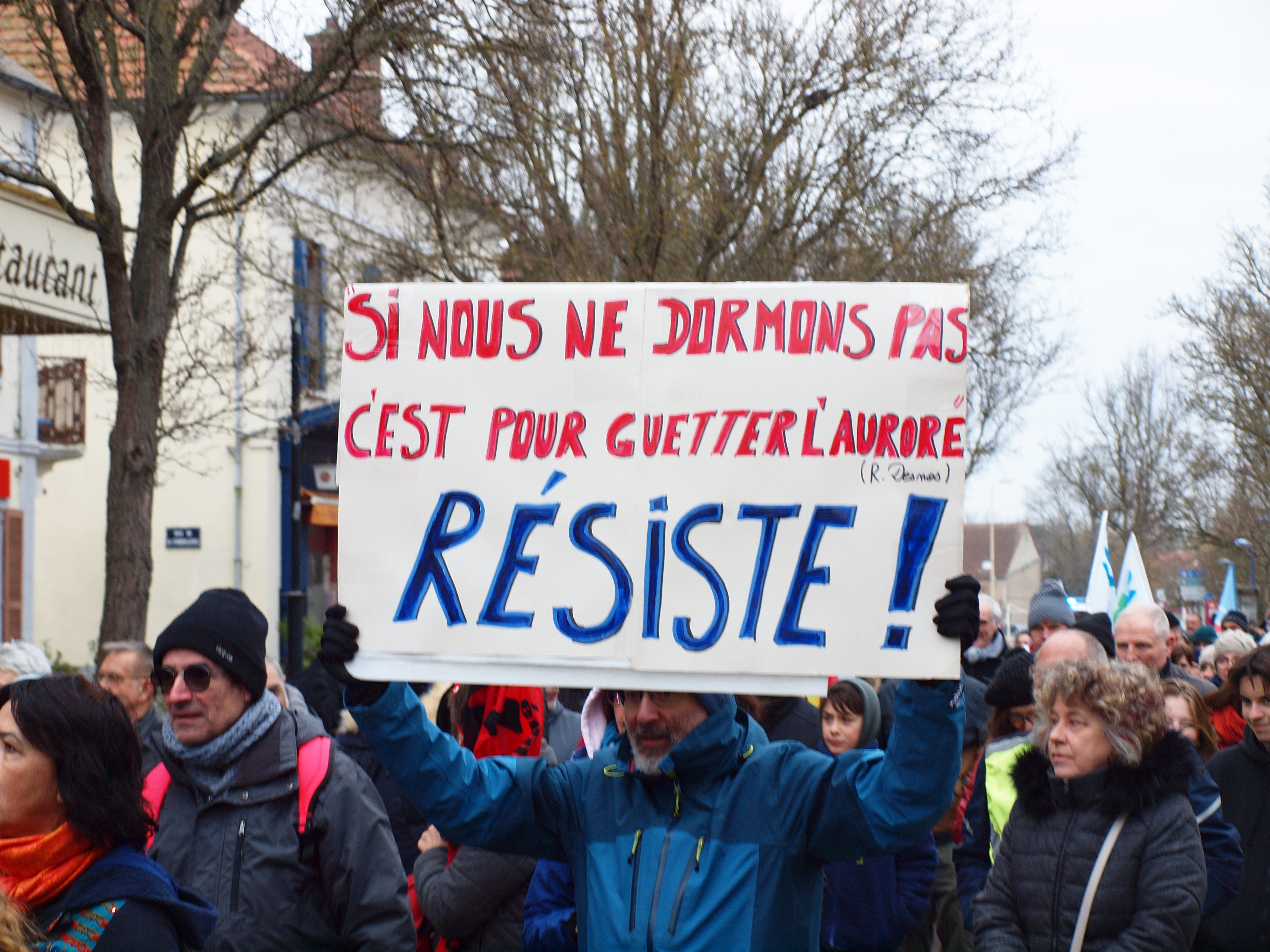
C’est la Grève
During the course of the past year there have been several strikes, the most recent was a teacher strike on March 18th to protest low wages and such. Kids were off from school and out enjoying a bright spring day. There were some marches, but nothing too disruptive here.
It used to be that they would post strike activity forecasts in several of the major newspapers right next to the weather report. Now there is a website for this information. The forecasts and predictions used to be based on the number of permits police had handed out for protests in a given day.
While it’s helpful, it hasn’t reflected the recent extended farmer’s strikes or the handful of Wildcat strikes like one spontaneously started in May of 1999 when a protest shut down most of Paris. The original cause was stated as due to “violence inflicted upon metro workers by the public.”
According to radio reports later in the day the strike was declared because a subway inspector was killed fighting illegal vendors on the Paris Metro. By the middle of that afternoon, all the buses in Paris and regional trains transporting commuters in and out of the capital ceased operations in solidarity with the metro workers and Paris was paralyzed.
Apologies are very rare here
Maybe this is another quality of France or French people, but there are not a lot of apologies.
Surrounding the Metro worker and the following strikes, the real story of what happened came out the next morning. It seems a subway inspector died on the job due to a ruptured amateurism of his aorta, not some violent vendor. The confirmed story was that the inspector was chasing an illegal vendor when he died, assumably due to some preexisting condition.
While one might expect some sort of public outcry or an apology from the unions, that didn’t happen. Further, the union did not call the strike off, but simply changed its rationale and claimed that the strike was to protest understaffing and stressful working conditions overall. Transport employees stayed home for the next 2 days and Paris remained shut down.
This isn't so unusual.
Protests are a part of the government here. Whereas the US has, in principal, at least, a system of checks and balances, the French Executive has incredible power without a balance to it except for the voice of the people. It also touches back to the celebrated French Revolution, which on some level everyone here seems to have an appreciation for. People tolerate the inconvenience and, very often, side with the protestors. As best as I can figure it.
As a friend put it to me recently, “in France, everyone loves to fuck the system a little.”
Maybe that’s true. I dunno.
When we arrived here, garbage was piling up in the streets and had done so for weeks. When I went into a café to get a coffee in the middle of the strikes, the owner told me that he could only do espresso when I ordered a café crème. I said something like, “there’s no milk?”
And he told me that there was no milk, there were no cows. Espresso?
I ordered the espresso.
It only seems like a lot of strikes…
After looking into it, it seems like French don't actually strike that much, but they do it dramatically. I can’t imagine what the police response would be in the US, but I doubt it would be peaceful. It matters.
The number of protests are high for Europe, but in an average year, the French actually have fewer strikes than Americans do. It surprised me. France is actually one of the least unionized of all member countries. Less than 10% of most French workers belong to a union, compared to roughly 14% of the United States and that's really been declining, but public sector workers in the US form a large percentage of unions. .
That said, the French do really excel at protesting. It is theatrical, but results in very few arrests, no matter how many farmers spray manure on government buildings.
One truck sprayed liquid manure as dozens of police stood by without intervening, footage by BFM TV showed. Moments later, another truck lifted burning tyres and rubbish over the high gates and dumped it in the prefecture courtyard.
Even the police respect protest here.
Protest marches and demonstrations are an essential element of the French social fabric. As there’s no real balance of power in government, the streets are the balance. Protest is not a mere expression of frustration, it's an important part of public life.
Protesting like this is hardly new. The huge moat dug on the east side of the Louvre in the 12th century was not to protect the king from foreign armies marching on Paris, but to shield himself from his own people. It was expanded under Louis XIV.
A lot of this has to do with the centralization of Francis government itself.
Unlike the United States, where administrations are separated by local, state and federal authorities, all of government functions in France are centered in Paris. So to make an effective protest, protesters can and then do shut down the capital. It’s a lot harder to get so many people together that way in the US, there is a series of places one might protest in, from town halls to state capitols that are all very far apart.
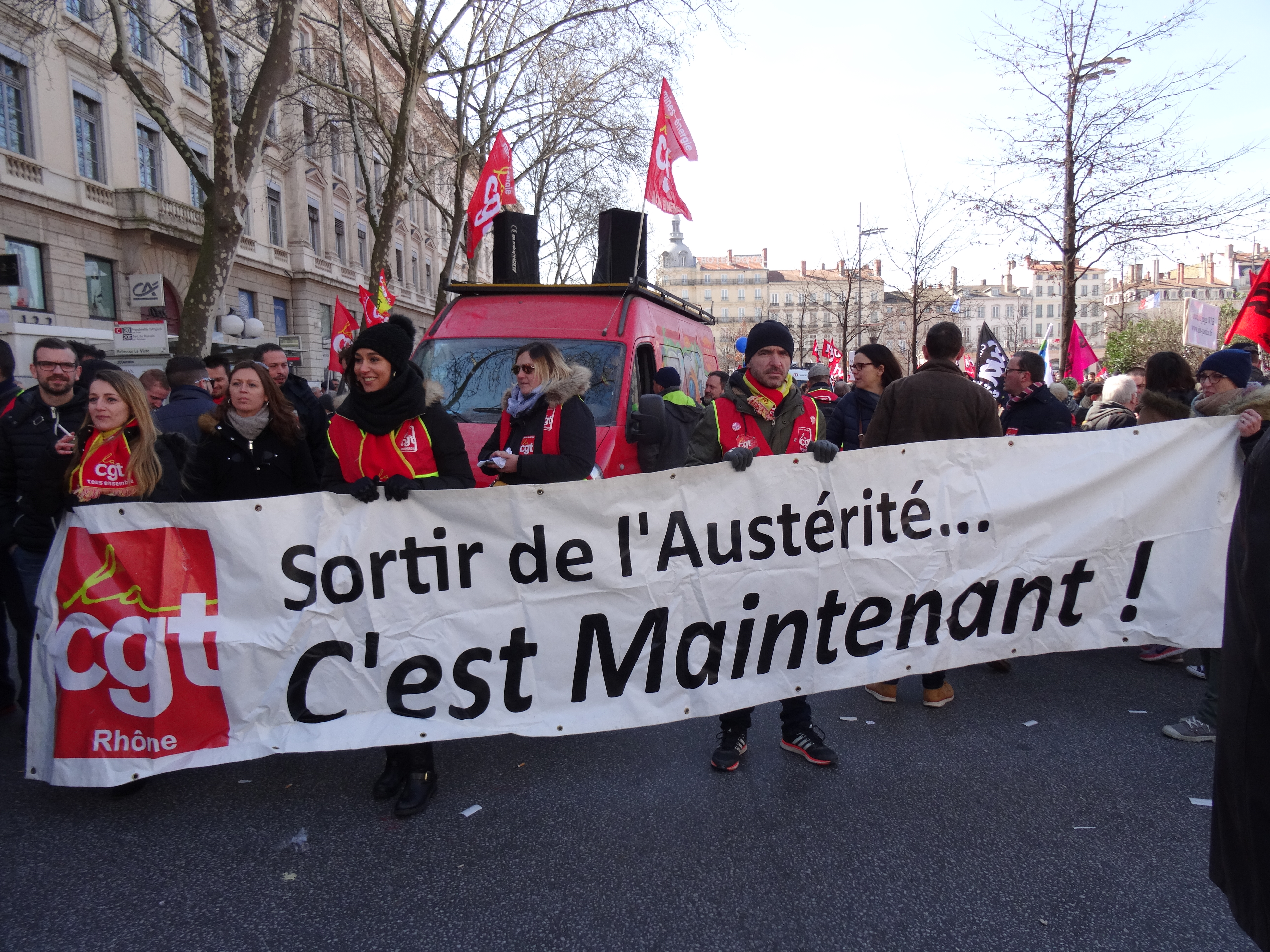
Teachers also have a centralized union here, unlike the many small disctricts and unions of the US. This has enabled them to put out an impressive 1,000,000 centralized protesters on the same day and effectively shut down major cities around the country. And of course, any protest that centralizes that many people on the one government center of Paris is going to be effective. Even the truly massive New York City Department of Education, with well over 100,000 teachers and staff, is just over a 10th of what French unions can muster.
Thanks for reading Keith’s Substack! Subscribe for free to receive new posts and support my work.