Cerrone's Love in C Minor: The Track That Launched French Disco
A Self-Produced Instrumental Debut Album that might never have been heard again
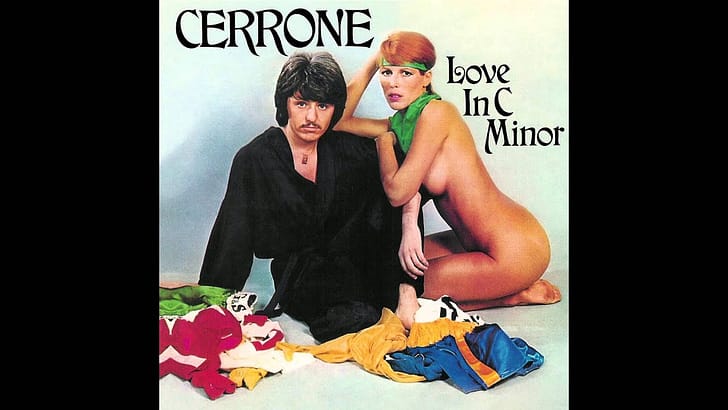
Marc Cerrone’s theatrical flair pushed the boundaries of disco, first making waves in New York before French DJs brought his work back to France. Featuring percussion-heavy beats, sweeping strings, and provocative—sometimes bizarre—concept albums, Cerrone launched a career spanning more than 50 years almost by accident. By independently producing his work, he paved his own path, bringing to disco and drums what Giorgio Moroder had brought to electronic music.
Love in C Minor is Cerrone’s groundbreaking disco track, fusing orchestral elements with provocative storytelling. From the start, he was pushing boundaries.
Marc Cerrone, born in Vitry-sur-Seine, a suburb of Paris, is one of the most influential French disco and electronic music producers of the past 50 years, with over 30 million records sold and at least 25 albums to his name. He continues to produce new material and soundtracks while releasing music from his own archives.
Cerrone played a key role in establishing disco as a serious musical movement in France, helping to drive the rise of French Euro disco. His extensive catalog can be a journey of very different styles to explore, but it’s a fascinating one.
Cerrone remains first and foremost a drummer. When he recorded his first album in the early 70s, the term “disco” wasn’t being used in France yet - he said was playing “Cerrone music.” While his father has wanted him to be a hairdresser, they bought him a drum kit when he was 12 in exchange for good grades in school. He had been practicing so intensely on pillows and books beforehand, that his mother said he had the drums mastered as soon as they arrived.
Cerrone’s Risky Debut
Cerrone controlled every aspect of his debut album using his own savings (about 10,000 francs, or €9,000 in today’s money, adjusted for inflation) to record, producer and publish the records. It was very unusual and risky, but the album sold millions of copies and launched him into international fame. That his early success was almost an accident is hard to believe after a multi-decade string of musical accomplishments.
"Love in C Minor," sold 3 million copies - an incredible feat for an unknown artist’s debut. Even more for an instrumental track opening with 2 minutes of dialogue followed by 15 minutes of drums and violins. “Love in C Minor” took up more than half of the 32-minute album of the same name featuring only 3 tracks.
Side B had a disco cover of "Black is Black" (by Los Bravos) and an original track featuring Cerrone’s distinctive blend of percussion and orchestral elements. The extended tracks were a bold decision, prioritizing immersive disco grooves over radio-friendly singles.
The story goes that a box of Cerrone’s self-produced debut albums was mistakenly sent to a New York record store instead of Barry White’s Love Unlimited Orchestra (whose instrumental 1973 hit, “Love’s Theme” reached #1 not because of radio play, but because of club DJs). The influence of Barry White and Quincy Jones is hard to ignore, even as Cerrone clearly has his own style. Some early critics of White’s iconic track called it “the cheesy soundtrack to a porn movie," but it was a defining moment in the evolution of disco.
Cerrone seems to have leaned heavily into that.
Cerrone’s original cover, featuring a naked woman, caught a New York DJ’s attention, who then sent it around to different clubs. The buzz was extraordinary and within a month, it topped the club charts.
This three-minute video of the song dives straight into the music, showcasing intense video kaleidoscope effects.
The same version is played on his 1977 appearance on American Bandstand. I love this one – you can get a sense of the band.