Building a Home Abroad: Navigating Life, Bureaucracy, and Belonging in France
How Choosing Our Challenges Lead to a Calmer Life
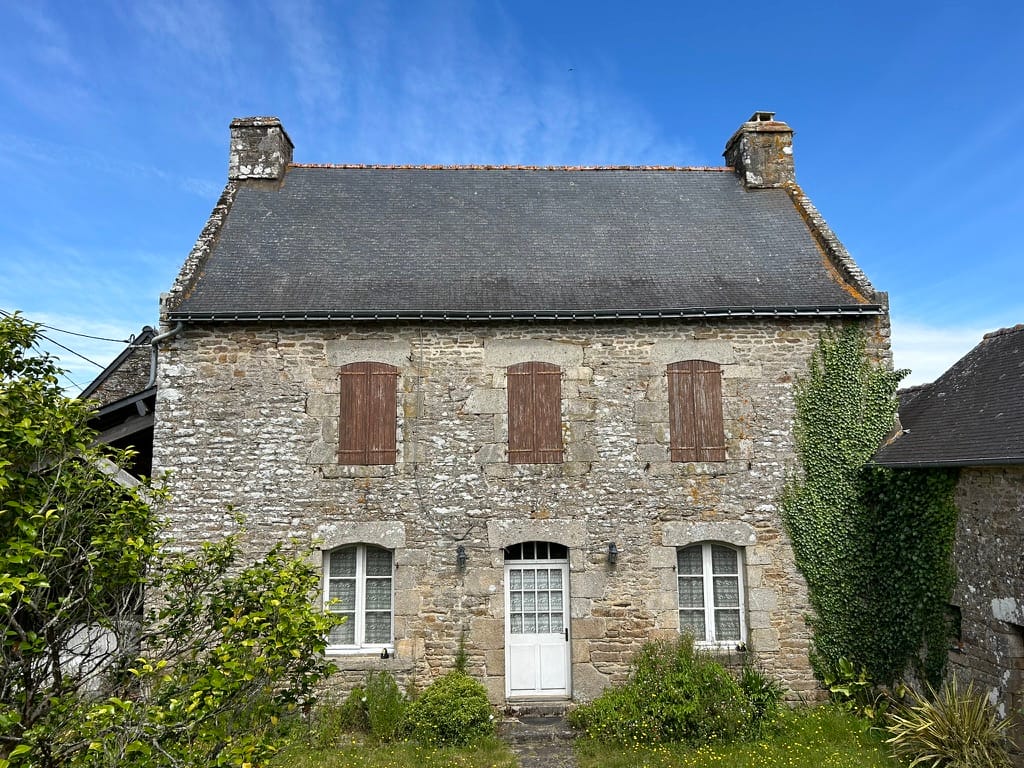
When we moved to France, it wasn’t to escape problems—it was to choose different ones. France aligns more closely with the life we want, but it’s not paradise. Burnout in the U.S. is so ingrained you don’t even notice it until you step away. For us, stepping away meant coming here. The stress is different, but it feels more connected to our priorities. Home takes work—responsibilities don’t disappear, they just change. We thought France would simplify things, but it also added layers—new systems, language barriers, and cultural adjustments. Yet, these challenges feel more purposeful, more aligned with the life we want.
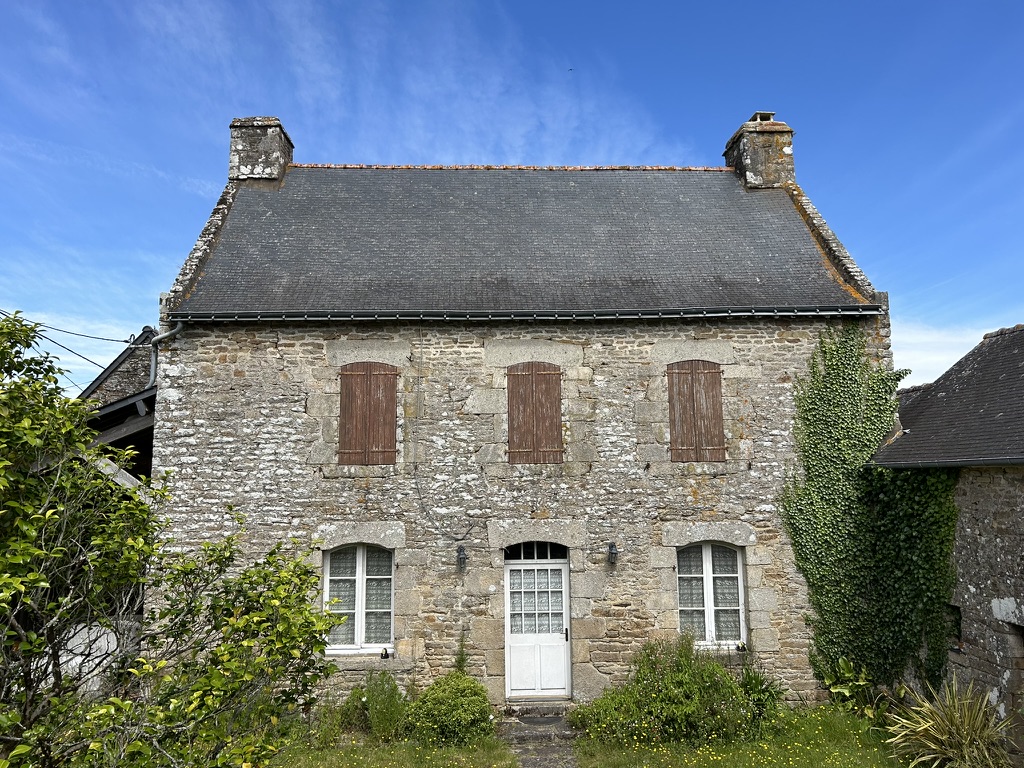
Home takes work.
For us, home isn’t just about peace or escape—it’s about making our choices differently and having more control over our time. Everyday tasks didn’t vanish when we moved. France added layers of complexity, but it was one that we wanted to embrace.
Of course, every process requires forms, stamps, and signatures, and often when you think you’re done, there’s always one more document. It’s felt like we’ve had to handle all the paperwork of our entire lives in just 18 months.
Despite the confusion, the systems here make more sense than in the U.S. The paperwork is overwhelming, but there’s a structure and purpose behind it, even if it takes time to untangle. And honestly, many of the problems we face are the same ones the French have dealt with for years.
It’s like that with a lot of things.
“This place is never open!” Victor told me one day, exasperated.
“I thought you guys didn’t mind that,” I said, half-joking. “Like, you respect the workers and all that.”
“Huh? No, it drives me out of my fucking mind,” he laughed. “But yeah, I guess the guy has the right to a life too.”
Getting to Know People: Connections in a Smaller City
Nantes, the city we now live in (though I’m not sure we’re calling it “home” just yet—maybe more like “home-ish”), is much smaller than New York. At times, it can feel a bit quiet and even provincial, even if it has a few million people. It small enough to see familiar things, but not keep running into the same people all the time, unless you want to.
At first, most of our interactions with people were only transactional—a quick chat with the baker, awkwardly ordering a coffee, or filling out another form at the prefecture. There were vocabulary lessons at the hardware store, too.
Now, the folks at the new corner bistro greet us by name, and we’ve had several conversations about boats, sailing, and shellfish - if only exclusively boats, sailing and shellfish, for some off reason. I think it’s like that sometimes—you connect with someone over one specific thing, and it feels strange to step outside of that.
I see my bakers 3-4 times a week but don’t know their names, and likely never will.
If I spot someone from the neighborhood across town, there’s a flicker of recognition—progress.
At the weekly markets, everyone calls each other “chef”—them to me, me to them—but that’s recent, graduating from monsieur to chef.
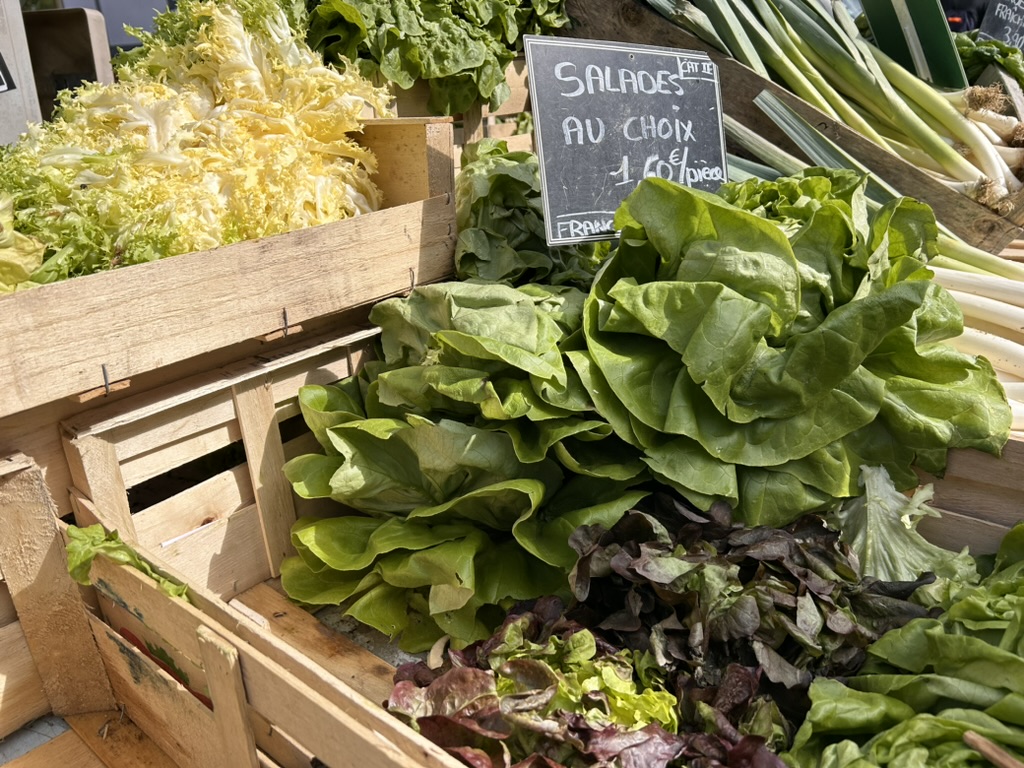
It’s these little things, small as they are, that make the place feel more comfortable.
A waiter at a neighborhood bistro, Antoine (one of many Antoines I know now. Popular name.), has chatted with me occasionally for over a year now. We talk about culture and language much like I talk boats with the other guy.
Antoine sports an unironic mustache and a kind of clean-cut Serge Gainsbourg look, seeming to lean into a few vague French stereotypes all at once. Slim black pants, rumpled button-up, cigarette tucked behind his ear—he radiates intellectual aloofness. Whether it’s intentional or not, I still can’t tell.
One day, as he brought my drink, and offered this bit of philosophy about my troubles learning the language as I fumbled through something beyond a simple “Merci” :
"C’est pas une question de temps, mais d’habitude." (It’s not about time, but about habit.)
Then, he drifted away.
Well, the place is very tiny, so he only turned and walked three feet away, but the emotional distance was immediate. He’d already shifted to the next customer’s concern.
Building the Life We Want
I’m not expecting things to get easier—we’ll be trying to buy a home, start businesses, and really dive into the deeper pools of French bureaucracy. There will always be new challenges, fresh stresses, and more hoops to jump through. They’re just part of the process.
We’ve come to terms with that. Home is something you build, and it’s never as simple as you remember. It can be stressful, but it’s also full of moments that make it worthwhile—like a shared meal with friends or navigating the bank without needing a translator.
“How long did it take you to feel settled?” I asked a British friend who’s lived here for 20 years.
He laughed. “Just the other day, I went into a hardware store and threw the whole place into a tizzy because of my accent. The poor kid looked terrified.”
Finding Home Elsewhere is reader-supported, which means your support keeps the stories coming. If you enjoy the content, consider subscribing!
—it helps fund new articles, interviews, and deep dives into French culture and more. Plus, you'll get exclusive content and become part of a growing community that values authentic, independent writing. Your subscription makes a real difference!