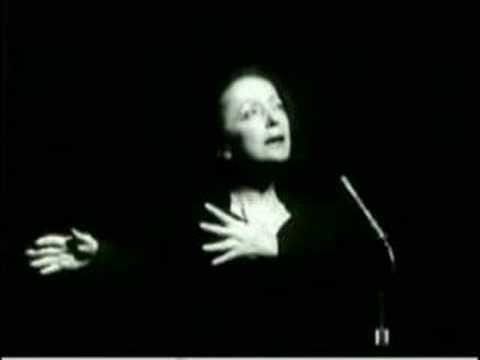
An American in Paris, passport not required
The Musical Ballet That Cost a Fortune—and Invented an American Fantasy of France
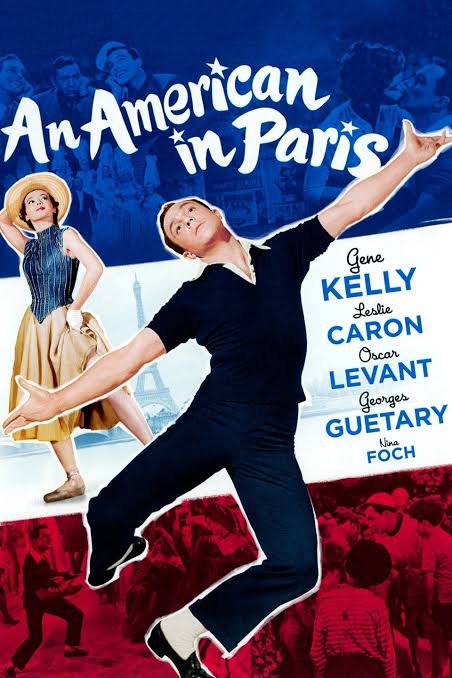
In the golden age of postwar Hollywood, An American in Paris arrived not just as a musical, but almost as a manifesto of what a musical could be—lavish, ambitious, and obsessed with beauty. It didn’t just tell a love story; it changed musicals into a deeper art form. At its center was a wordless ballet, gambling that music, painting, and dance could carry the story. somehow, it worked—transforming not just the genre, but how Americans would imagine Paris for decades to come.
More music, food and culture! 2x a week. Sign up! it’s fun.
Paris, California
The real Paris in 1951 was still rationing coal, butter, and more. The war had ended, but aftershocks lingered—in ruined families, in political unrest, in cafés where intellectuals debated colonial violence in Indochina and the growing storm in Algeria.
The city was tense, tired, and teetering on the edge of another kind of reckoning.
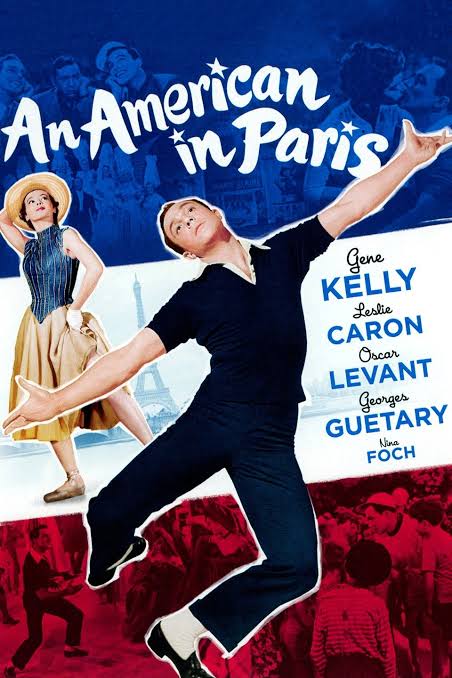
This was not the Paris shown in An American in Paris. Directed by Vincente Minnelli (yes, Liza’s father) and starring Gene Kelly, the film didn’t just reimagine the city—it recast it entirely.
An American in Paris follows Jerry Mulligan, a former American GI turned struggling painter, trying to make it in postwar Paris. He falls hard for Lise, a young French dancer—only to find out she’s already engaged, and things get messy from there, until it all explodes into a surreal, wordless ballet of heartbreak, hope, and maybe a little closure.
That 17-minute, wordless ballet scene cost more than some movies do today. No dialogue, no realism, just movement and mythology—wrapped around one of the most enduring American fantasies ever exported.
And not a single frame was shot in France—but entirely on MGM’s California sound stages.
Leslie Caron was the only French lead in the film—aside from a few background extras, the rest of the cast was American or otherwise not-French, playing inside an imagined version of Paris.
Still, An American in Paris redefined not just musicals, but the city, in the eyes of many Americans.
The Ballet, An American in Paris, 1951
Seventeen Minutes, No Words
It was a wild bet—ballet wasn’t mainstream, and silent sequences didn’t make musicals. Yet nearly 20% of the movie’s $2.7 million budget went into this scene.
Hand-painted sets were absolutely massive with over 500 costumes made just for this scene, with each set then painted and lit to echo Lautrec, Renoir, Rousseau, Utrillo, and more.
It was surreal, risky, and reportedly impossible to explain before it was finished—a moody story of heartbreak, not the usual song-and-smile fare of the era. But the ballet became the film’s soul—and helped An American in Paris win six Oscars, including Best Picture.
Paris, Packaged for Export
Paris wasn’t just a setting—it was the dream. Once seen as bohemian and decadent, it had become, for Americans, a symbol of the end of the war, of style, and self-invention.
The film was shot in 1950, while the real Paris was still rationing and reckoning with the aftermath of the war and the complexities of colonialism.
For many American soldiers, “Paris” came to mean more than a place—it symbolized peace, survival, and the return to beauty after years of war.
Reaching the city in 1944 felt like stepping out of chaos and back into civilization; it was wine, music, and meaning—a reward for having endured.
That emotional shorthand carried over into American memory and cinema. In An American in Paris, the city isn’t just a setting—it’s the dream realized, the prize.
Not the real Paris, but the version they believed they’d earned: peace, survival, victory - and the sense that somewhere, there could still be civilization and beauty int he world.
This is an American’s fantasy of Paris.
This is Jerry’s Paris.
Jerry Mulligan is a former GI who stayed in Paris after the war to become a painter—a soldier turned artist, remaking himself in the City of Light. His backstory ties him to the larger American presence in postwar Europe, even if the film spends almost no time on it.
He arrives with some charm, a bit of talent, and almost no French, yet the city is his dream version of the place. He doesn’t grapple with language, politics, bureaucracy - or postwar grief or inconveniences.
Jerry’s Paris bends to his desires, much like Emily’s in Emily in Paris, but where his fantasy is artistic and romantic, hers is glossy and algorithmic—a Paris tailored for personal branding instead of ballet.
Maybe.
If Emily had broken into song a few times instead of smug one-liners, I might’ve forgiven her.
Jerry, at least, dances through a Paris that mirrors him. His transformation is emotional, not cultural.
We don’t learn much about the real Paris—or France—from An American in Paris.
Tourism
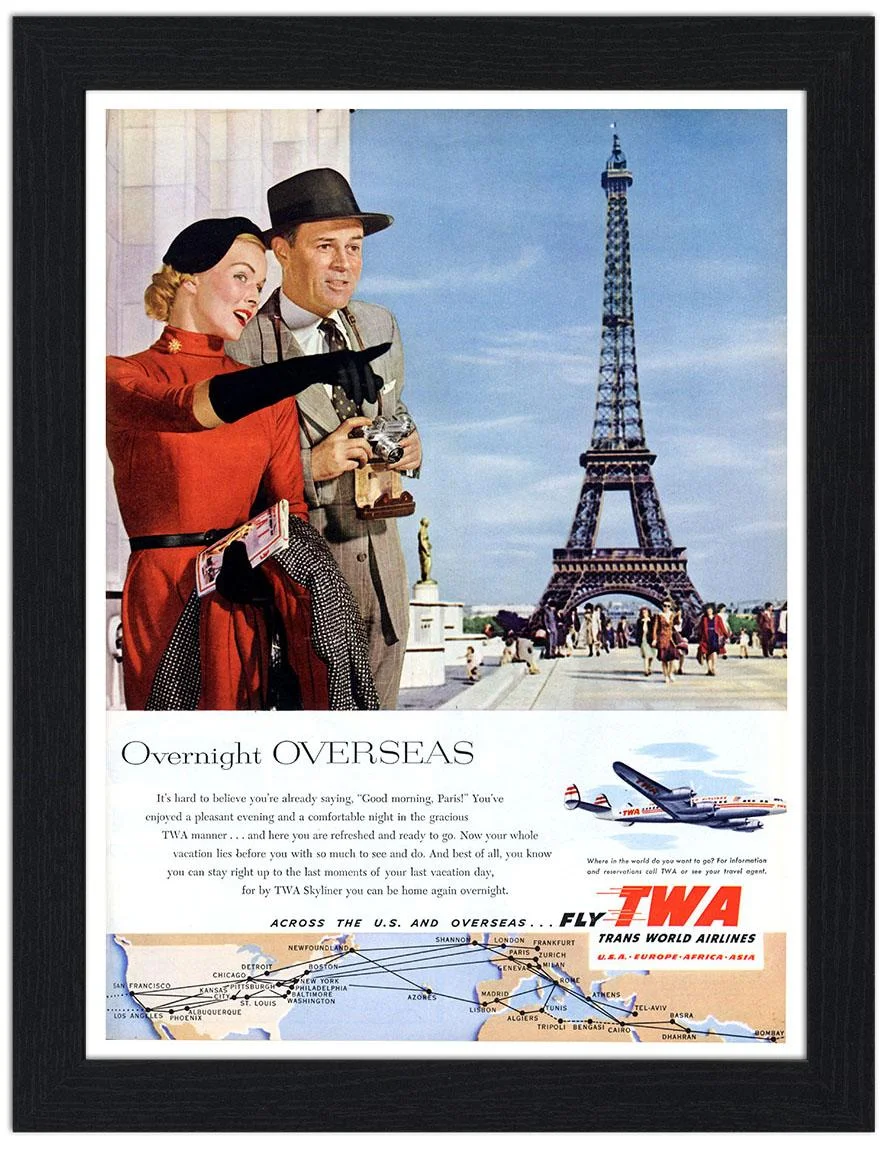
After the film, tourism followed suit.
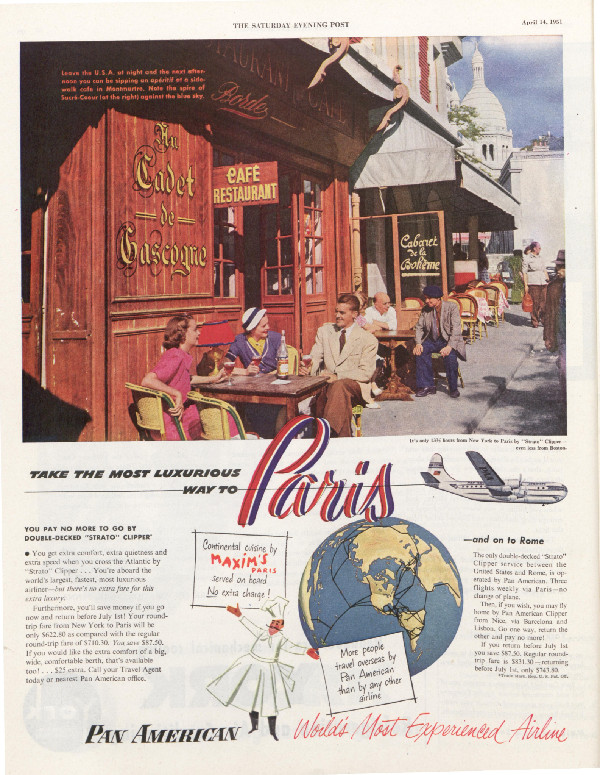
Airlines like TWA and Air France filled ads with Eiffel Towers, fireworks, and fashion, turning Paris into a pastel product. Forget rationing; this was a Paris of champagne and honeymoons.
It wasn’t really Paris. It was an emotional Paris, an advertising Paris. A metaphor. Not for the city, but for what the city meant to Americans.
And that kind of symbolic packaging—turning feeling into product—would become one of postwar America’s greatest exports.
The city in An American in Paris never existed—but the fantasy sold a lot of movie tickets, and then plane seats.
What about you?
do you love the fantasy, or maybe wanted a gritty Gene Kelly Paris? Love the ballet or just a super glossy Technicolor fantasy?
Drop your thoughts below
Bonus!
You’ve made it this far, so here’s a little something extra.
This has little to do with what I am writing about here, but I’ll have few chances to talk abotu the insane visuals of Busby Berkeley, whose work in musical numbers were visually on a whole other level.
The final number of The Gang’s All Here (1943),
Directed by Busby Berkeley, It’s a delirious explosion of Technicolor excess, featuring Carmen Miranda, massive fruit hats, and hundreds of dancers arranged in surreal, geometric formations.
The number, famously featuring giant bananas and pulsating neon props, abandons the rest of the narrative entirely for a dreamlike spectacle that feels like a hallucination of wartime escapism.
Busby Berkeley made one of the most extravagant, surreal musical numbers of all time in the middle of World War II.
His first bit of directing was just this one scene in Footlight Parade (1933), one of his first major outings as a solo director, handling both choreography and visual design. He changed staging and filming angles into incredible technical and visual achievements of the era, the blocking alone is almost hard to imagine.
This is the “Human Waterfall” number, a hypnotic, overhead fantasia of chorus girls arranged into living mandalas.