Already Gone
Summers in France & Les Grandes Vacances
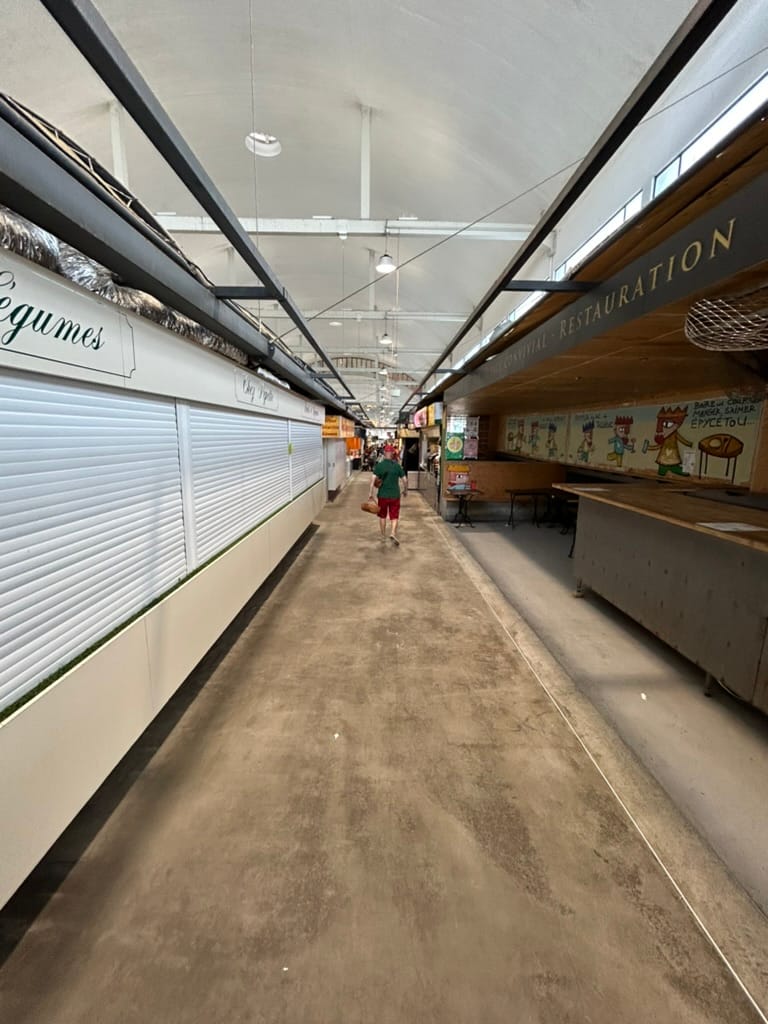
Les grandes vacances—the big holidays. But depending on who you're talking to, you might also hear it called le break d’été, la pause estivale, les congés d’août, or just… les vacances, said with a kind of sigh that implies sunburn, overcooked green beans, and driving six hours south to sit in traffic.
My own schedule has been wobbling a bit, but we’re traveling right now, the summer vacations are happening, and so on.
This May was broken up by a string of long weekends, as everyone faisait le pont - taking Friday off to bridge the gap between a Thursday holiday and the weekend, or adding a day on either side of the weekend.
 Keith Christiansen
June filled up fast: lunches, barbecues, outdoor concerts, and a lot of end-of-year work and social stuff packed into hot afternoons before the big summer breaks when it all kind of stops until September.
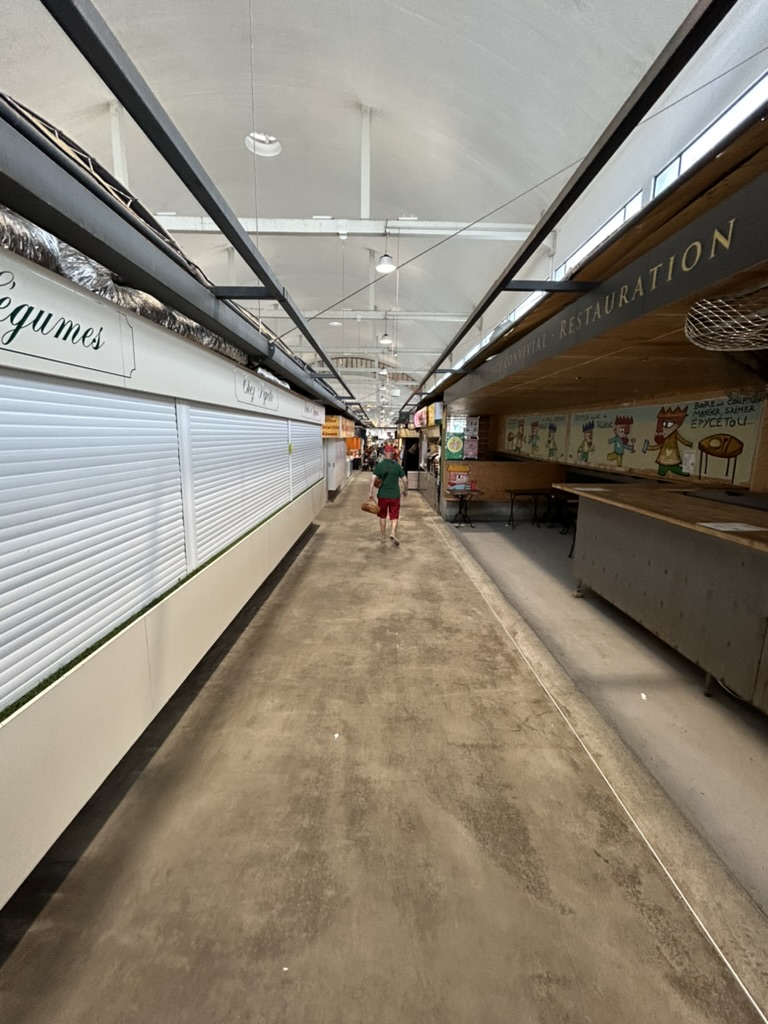
la pause estivale
Whatever you call it - la pause estivale, les grandes vacances - by late July, the country is in the middle of the slowdown. In august, the slow comes to a crawl. I swear, it feels like the internet stops.
Well, the Internet still works, but if you want to get something delivered, that’s another matter.
It’s said that France is one of the most productive countries in the world ( 17% more productive per hour than the UK…?), which can be a little hard to believe in the shuttered stillness of our small town. - something a friend pointed out to me as he watched a family load a small SUV for a long weekend as he and I were wrapping up a long lunch.
And then every summer, the whole place slows to a gentle, deliberate crawl. July starts slowing. August flatlines. Les grandes vacances. And everything kind of... stops.
It’s not that the French don’t work hard. They do. But when they’re not working, they really, truly are not.
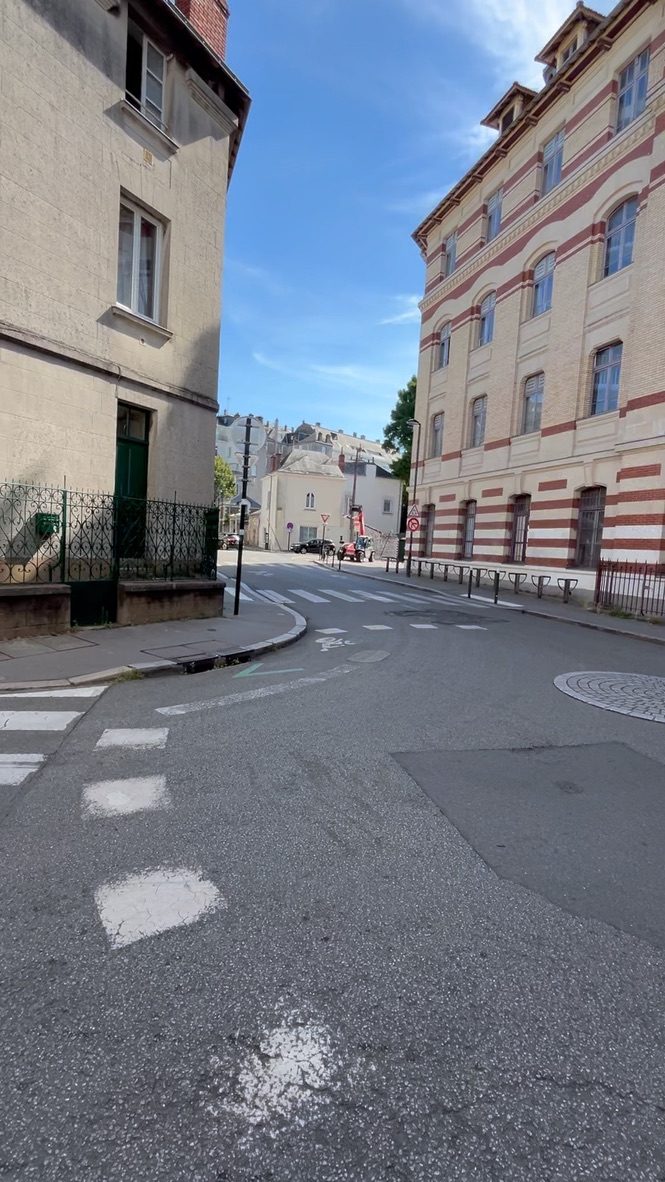
wait until September
If you have to get it done in summer, it will be more difficult. It will likely just not happen. If you don’t expect it to be open, you won’t be disappointed. This applies to just about everything
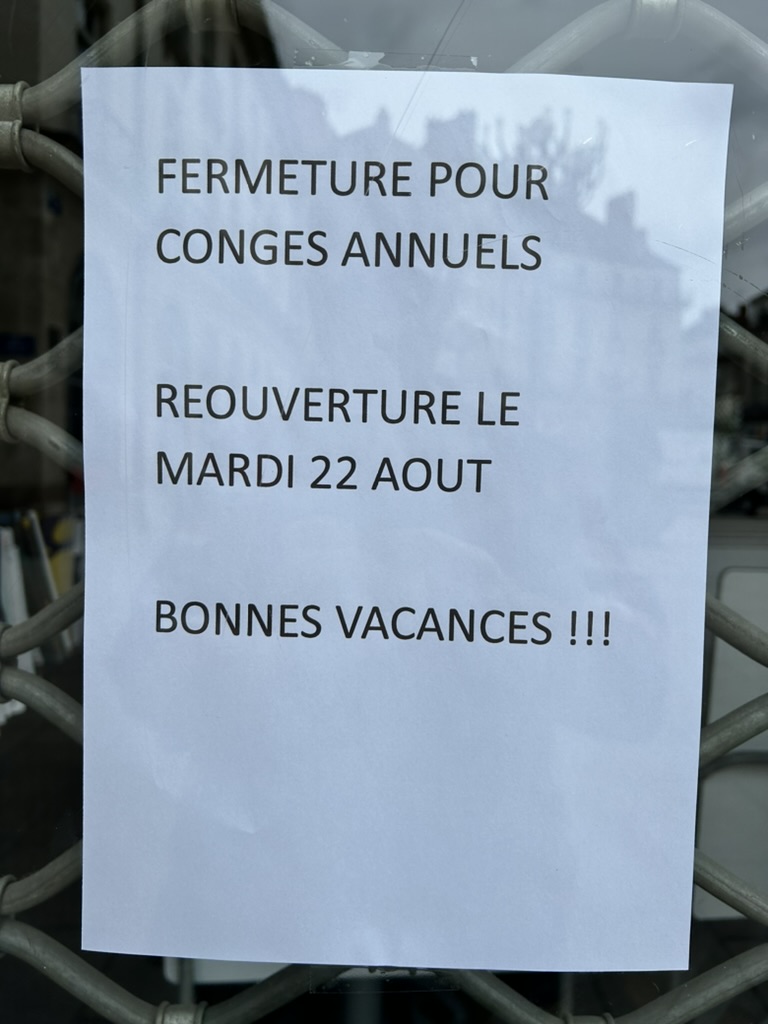
Your local boulangerie might be shut1—which always feels a bit extreme. Restaurants tape handwritten notes to the windows:
Fermé pour congés annuels. Retour le 27 août.
Closed for annual leave. Back August 27.
I’ve got French friends who gripe about it. “in this country, people look for any reason not to work. Rain, strikes, vacation, a Wednesday—it doesn’t matter!”
Of course, we were sitting at a bar at the time, waiting forever for a beer, with one overworked server covering the whole terrace.
Juilletistes vs Aoûtiens
While the cities are empty, resort destinations are packed. It’s part of the reason I kind of avoid the coast in the summer.
Juilletiste or an aoûtien—the July people or the August ones. The split between juilletistes and aoûtiens isn’t just about timing—it traces old lines of class and profession. July was often for teachers and civil servants; August, the sacred pause for private-sector workers and the industrial masses.
Originally, this divide had a lot to do with profession. Public sector workers—fonctionnaires like teachers, postal workers, and local administrators—tended to leave in July, as soon as the school year ended. Their holidays were often fixed, tied to school calendars or government schedules.
Meanwhile, private-sector workers—especially those in offices, factories, or trades—were more likely to disappear in August. Even today, big construction firms, accounting offices, and law practices often go en pause for most of August.
You’ll see notes on shop doors, voicemail messages with “retour le 28 août,” and a general idea that if it isn’t already done by July, it’ll wait until September.
Inbox Summer
Even so, I'm still working.
I was in a shared office in a deconsecrated church—cool in summer, bone-cold in winter. Just me and one other guy that day, a freelance developer I barely knew.
“You’re working this week?” he asked.
“Yeah,” I said. “Summer’s weirdly busy for me.”
“Not on holiday\?”
“Nope. My clients always reach out around now.”
He laughed. “In summer? Seriously?”
“Yeah. It’s leftover teacher reflex, I think. People never really switched it off. They think I’m more available in the summer.”
He tilted his head. “C’est vrai ? Pas de pause ?”
I shrugged. “Not really.”
He smiled. “Well. Good luck with all that. I’m done with this, then I am gone for 3 weeks.”
That stillness is cultural, but it’s also a muscle. I need to learn how to relax. The French, especially outside Paris, practice rest like it's a civic duty. You step into August and the world hushes. It’s disorienting at first—but also kind of fascinating.
Je suis déjà parti taxi girl (1986)
I’ve had three friends text me Je suis déjà parti by Taxi Girl in the past two weeks. I had no idea so many people knew about this track. The title means “I’ve already left,” which sums up the late-July headspace: my laptop is open, but I am emotionally gone. Taxi Girl were one of France’s essential new wave bands (1978–1986), synths with a romantic edge. This track, a B-side from their final single in 1986, never charted, never went platinum—but it keeps showing up 30 years later. An underground classic for anyone who checks out quietly.
Have you tried to get something done in August in France? How’d that go? I’d love to hear
Some related posts
 Keith Christiansen
*Though technically, by law, at least one bakery per town must stay open—la loi du pain. ↩