Alexandre Dumaine: The Introverted Master of French Haute Cuisine
How a Master Chef Quietly Shaped French Gastronomy Through Technique, Tradition, and a Legacy of Culinary Excellence
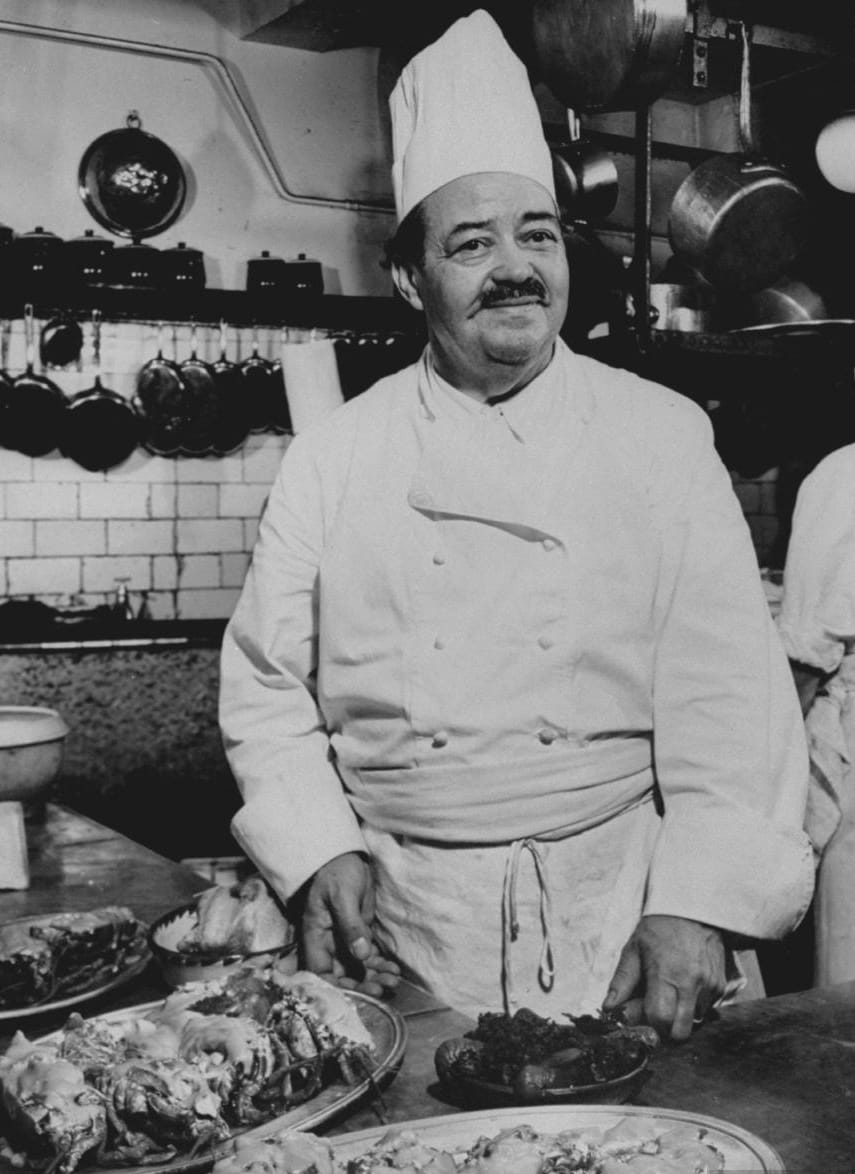
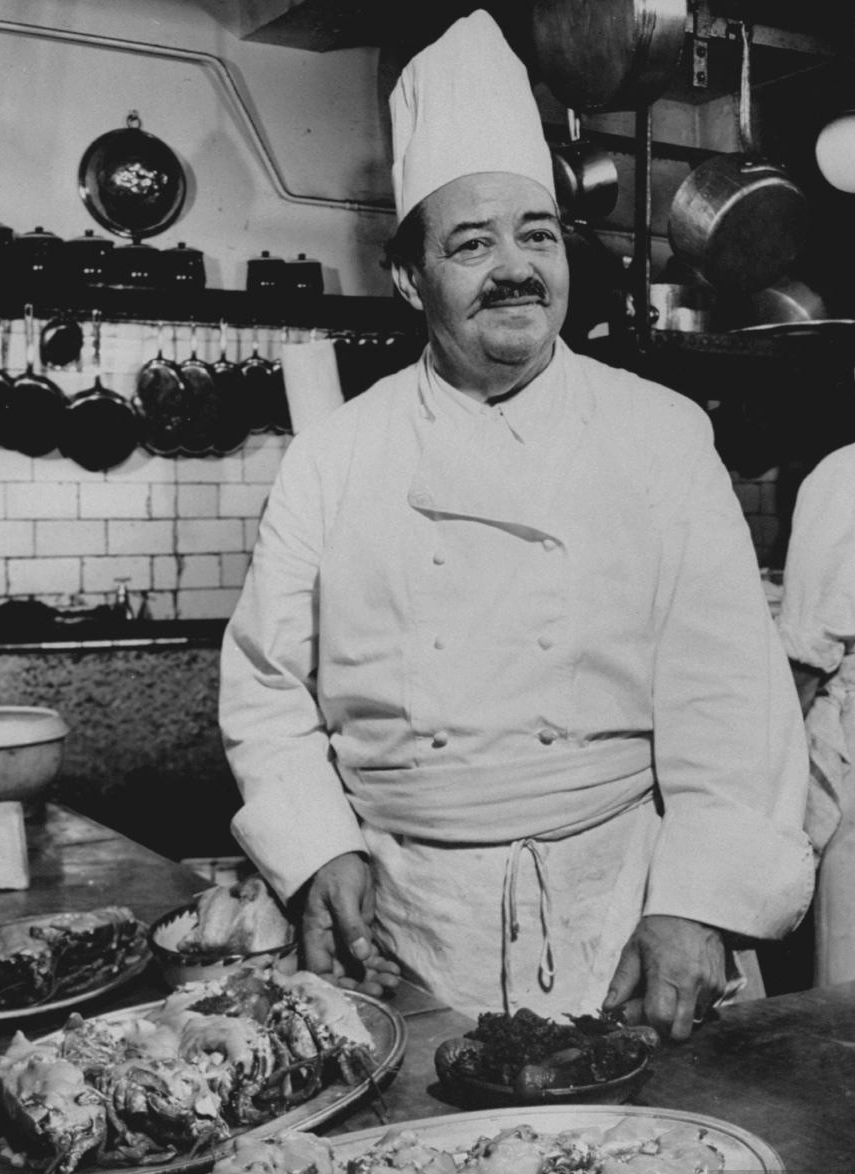
Alexandre Dumaine may not enjoy the same immediate name recognition as culinary icons like Escoffier or Paul Bocuse, but his contributions to French haute cuisine are undeniable. Dumaine held three Michelin stars from 1935 to 1964 at La Côte d'Or in Saulieu, an exceptional achievement that solidified his place among the finest chefs of his generation. Known for his quiet precision and unwavering dedication to traditional techniques, Dumaine’s career focused more on craft than fame, which is perhaps why he is less well-known today.
A Career Defined by Craft, Not Celebrityr
While Escoffier revolutionized restaurant management and globalized French cuisine, and Bocuse used his charisma to become an international star, Dumaine preferred the quiet seclusion of his kitchen. Fernand Point admired Dumaine’s mastery of traditional techniques and his unwavering commitment to precision, recognizing him as a chef deeply dedicated to the craft rather than public acclaim.
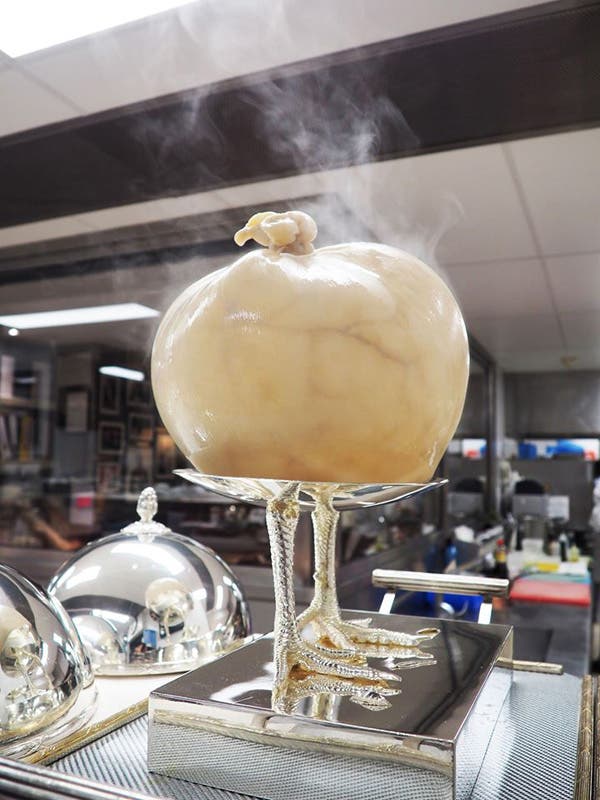
His focus was on perfecting techniques and preserving the integrity of traditional French dishes, rather than building a personal brand. Dumaine’s poulet en vessie (yet another person famous for chicken in a pig’s bladder) became a hallmark of his precise technique, and his restaurant earned a reputation for culinary perfection.
Dumaine’s restaurant in a the small town of Saulieu in Burgundy, La Côte d'Or, became a sought-after destination for those seeking the pinnacle of French gastronomy, where his meticulous attention to detail set him apart from his contemporaries.
In the early 1960s, maybe 15 to 20 chefs held the prestigious three Michelin stars, mostly concentrated in gastronomic capitals like Paris and Lyon. Dumaine's three-decade achievement at La Côte d'Or —hours away from these centers—seems all the more exceptional, as he drew elite diners to relatively remote location through sheer quality of technique and experience.
And yes, they did come for the chicken.
Dumaine’s career unfolded during a time when French cuisine was gaining international recognition. He remained modest, allowing others to claim the spotlight while he quietly honed techniques that many future chefs would embrace.

Cookbook and Love Letter
In 1972, Dumaine published Ma Cuisine, a cookbook that was notable not only for its recipes but also as a heartfelt tribute to his wife, Jeanne. He dedicated significant portions of the book to acknowledging Jeanne’s indispensable role in the success of La Côte d'Or. Leaving her career in journalism to manage the restaurant, Jeanne played a pivotal role in making it a storied destination.
In his telling, Dumaine blends technique with philosophy and personal anecdotes, revealing the deep connection between his professional and personal life. Together, Alexandre and Jeanne’s shared dedication turned La Côte d’Or into a nexus of culinary excellence mixed with emotional warmth that elevated it to legendary status. By his description, it was the type of restaurant that every married couple that has ever owned a place together might dream of creating - and he credits so much of that success to his wife’s contributions.
You’re very unlikely to see similar shared glory from Escoffier or Bocuse.
Ma Cuisine’s declaration of Dumaine’s culinary philosophy continues to make his work relevant today. His techniques and belief in sustainably-minded regionality plugged into existing French culinary beliefs of terroir. Even in the 1960s and 70s, his approach to sourcing ingredients was ahead of its time, promoting sustainable practices that are only now widely embraced.
He describes describe cooking as a connection—between chef and diner, between husband and wife, and between Dumaine and the reader. It’s an engaging read, even if French cuisine isn't your thing. Its blend of technique, history, and personal reflection pushes it past the genre of a typical cookbook, offering insights beyond a collection of recipes.
The Quiet Legacy of Alexandre Dumaine
Dumaine’s preference for quiet focus upon his craft over flamboyant self-promotion ultimately meant his name did not circulate as widely as those who sought more public recognition. While Escoffier modernized French cuisine and Bocuse became the face of Nouvelle Cuisine, the timing of Dumaine’s career and his focus almost exclusively within the walls of La Côte d'Or, meant that others garnered more attention.
By the time he retired in 1964, the rise of Nouvelle Cuisine further distanced him from shifting trends. His terroir-driven style, rooted in regional traditions and classical techniques, became less prominent in the face of a new movement seeking to break from older styles. The idea was to reinvent food, breaking away from tradition—even though the term "Nouvelle Cuisine" has been used three or four different times throughout French culinary history.
In his time, Dumaine set the standard for excellence among his peers. Though overshadowed by better-known names, his work stands as a testament to the notion that profound contributions often come from those who let their craft speak for itself..
Sometimes, innovation isn't about breaking new ground. Sometimes, innovation is perfecting what already exists.
A note about the pig bladder chicken:
I really don’t mean to keep writing about it, but I keep running into this recipe. It was once a very popular dish, it seems.
Poulet en vessie (chicken poached in a pig’s bladder) was the epitome of French haute cuisine, particularly from the 1930s to the 1960s, with Alexandre Dumaine’s version considered the gold standard. The video below is from one of Paul Bocuse’s restaurants as his places remain among the few to make the dish.
Rooted in medieval cooking techniques, the pig’s bladder is used to trap moisture and flavor, steaming the chicken to tender perfection. While uncommon today, it resembles modern sous vide techniques that use plastic to seal in juices and meld flavors.