After you leave home: The Space Between Arrival and Belonging
How confusion, curiosity, and French archives help me find my footing abroad
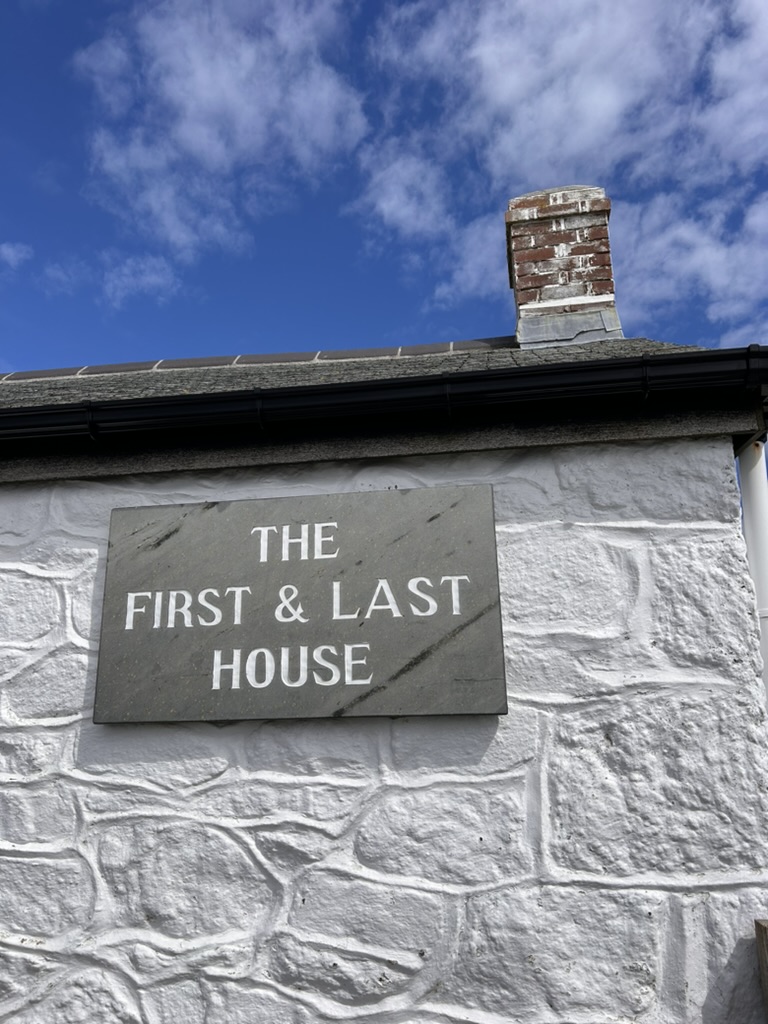
Some of my more popular pieces have been about the prices of our leaving America, or at least my experiences of it. If you’re reading this, there’s a chance you’ve considered the move or have made the leap out of the U.S. Maybe you’re disillusioned, maybe you’re looking for more space to breathe, or maybe you just want a new way of being in the world. Whatever the reason, there’s a lot more to the experience of find home somewhere else than just leaving home.
This is another post coming out of my incomplete drafts, but I wanted to get it out there in some form.
I recorded an audio version —sometimes talking out an idea helps me untangle thoughts that resist being written down so clearly. So - the audio is a semi-formed, semi-written version of that piece. It’s still a bit loose, but I felt like it was worth sharing anyway. I’d love to know what you think.
And also because that uncertainty is kind of the point.
K
I know someone who wants to read this!
The real learning starts after arrival—or at least, it should.
Not just the unfamiliar paperwork or packing lists, but the strange, slow work of becoming someone new in a place that doesn’t quite know you yet either. I might be able to make some suggestions about how to dress, but I’m no fashion plate.
The questions. And the weird, surprising comforts (like archives! I’ll talk abotu that soon) that helped me slowly build a life here in France, one quiet mystery at a time.
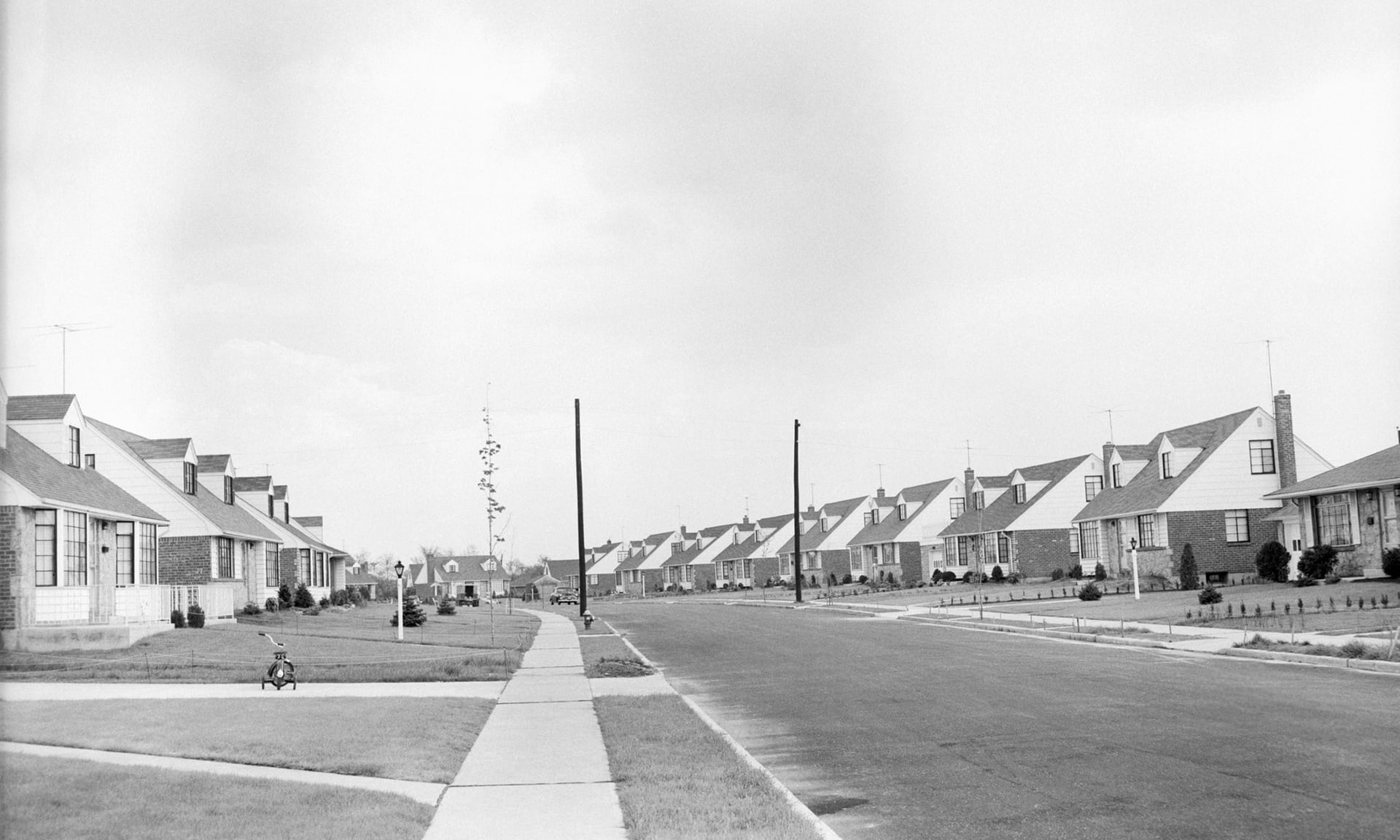
The suburban sprawl of ideas
Every time I sit down to write, something funny happens. It’s not quite writer’s block—it’s more like a dense fog, or maybe a kind of suburban sprawl of half-formed thoughts. I try to pin one down, but end up wandering lost in a neighborhood of ideas where every house looks confusingly similar.
Back when I was a teacher in New York (not always a good one, mind you, but occasionally quite good), I read something that stuck with me:
one of the best things you can do for young people is to show them how you struggle.
…not to pretend you’ve got it all figured out, but to reveal how you don’t—and then how you move forward anyway.
I remember reading it in a magazine, back when we had more magazines.
I think about that idea a lot, especially now, living in France.
I’ve been in France for 3 years now and I’m still very much in the midst of my own learning curve—linguistic, cultural, emotional. I’ve had some folks ask me questions, seeming like they’re a bit worried about where I’m at because of some of the pieces I write.
It’s okay.
I think that some of the weird things that happen are funny. I think you have to find them funny. Somewhere in the middle of all of our problems of the moment, there is humor, like goes on and we recover, we continue, we grow.
But we all have our moments: I have those moments, so it’s okay that you do…?
Something like that. This is me just providing another Experiential Data Point* for people to consider.
What Happens After You Arrive?
I spend a lot of time thinking about all of this, in one way or another. I had to learn a whole new vocabulary to get some of the ingredients and groceries I like. I am sure that I quit on a few of them – I keep forgetting the word for kale because I never see kale here.
And I like kale. I know it’s become a hipster vegetable, but I still like it.
There are many really good people who talk about the logistics of leaving the U.S.—the visas, the tax questions, the “how to move abroad” guides.
All necessary, all important.
But then?
Once the bags are unpacked, the paperwork’s been filed (or half-filed and then you discover a whole other layer of paperwork!), and you don’t have to practice short scripts in your head on the walk to the grocery store every time.
It’s a bit harder to find on Instagram, that part (although there is, in fact, a lot of good stuff up there also). But the process is not pretty or polished and its fully of uncertainty and...
It’s more like the background hum of confusion that never quite goes away. A perpetual “wait, am I doing this right?” that pops up at the post office, in a casual chat with a neighbor, or when your debit card decides it no longer likes the boulangerie.
A lot of people spend many years learning French, studying the culture, they know it.
I didn’t. Not really.
This is just me trying to discover it – and so far really liking what I see.
France Wasn’t the Plan either
I’ll confess: France wasn’t the first destination. I’d always leaned toward Latin America; I’ve been to many countries there; I write about its culture and politics; I speak Spanish.
Grammar geeks! That is a 3-semicolon sentence right there!
Spain might have made more sense. I’ve got a soft spot for Portugal—gorgeous, laid back, warm. But France has been surprisingly welcoming in many ways—even if, at first, it wasn’t where I thought I’d end up.
And now? Well, France it is.
France is a puzzle to decode: any culture is.
That’s more or less how I move through the world: obsessively researching, binge-reading, and trying to translate the chaos of lived experience into something that at least feels coherent. In education-speak, I’m expanding my personal ZPD—Zone of Proximal Development**—except instead of math problems, it’s things like navigating French bureaucracy or understanding the rules around a “proper” baguette.
I spend a lot of time in rabbit holes that lead nowhere conclusive—just weird, fascinating fragments that help me slowly sketch out a mental map of this place. It’s messy, but the sprawl helps. Familiarity doesn’t always arrive with clarity, but it does settle in eventually.
And honestly, writing about it is how I make sense of it all—both for myself and, hopefully, for anyone else out there trying to decode their own version of foreign fog.
Stick around! Reste par ici!
And while you're here – Stay! Explore some of the odd stuff I dig up. There’s a lot.
Reste avec moi! There’s more to discover about France.
This site is a whole curio of things I never knew about France until I got here.
Like, share, subscribe, and drop a comment if something catches your eye.
Reste Claude François - 1968
A cover of The Four Season’s Beggin’, Cloclo (Claude François’) brought his own wild concert energy and dance moves to this collection of concert footage from he 1960s. You know he was watching James Brown and Little Richard.
Flair, showmanship, footwork - and amazing footage. Small wonder he was wildly popular. The Four Season’s version is still my favorite, but Cloclo does well here…
Teaching, Doing, Thinking
You’ve probably heard the line: “Those who can’t do, teach.” It’s an easy jab—and like most things easy, it misses the point.
I’ve always preferred a more generous version: “Those who can act, do. Those who can’t act, teach others how to act.”
Or maybe: “Those who know, do. Those who understand, teach.”
Not as snappy or meme-ready, maybe, but fuller somehow.
(In the audio, I might have actually had to hubris to credit myself for that one.
No, sadly: not mine—though I’ve seen it credited to about 25 different people online. You know the usual suspects: Aristotle, Hitler, Gandhi, Moses, Taylor Swift, Mark Twain. One of those.)
Good teaching, in my experience, is more about humility than authority—which has been a pretty decent metaphor for me about moving abroad. You learn quickly that you don’t have all the answers, and the real work is learning how to sit with uncertainty, ask better questions, and keep going anyway.
The process is the purpose.
In that way, this blog has become a kind of teaching project—not because I know everything, but because I’m learning as I go. And honestly, that feels a lot like figuring out how to live in France.
The Pandemic Feeling, Again
Lately, the news from the U.S. feels surreal—political turmoil, chaos, an all-too-familiar sense of spiraling instability. It reminds me of the early days of the pandemic, when we all sat around wondering what this thing was going to become. That uneasy hum is back, and even from across the ocean, it’s impossible to ignore.
So you try to make sense of the chaos in the ways you can. For me, one of those solutions is archival.
A Love Letter to Archives
I was at a party recently - small talk and chess with people you don’t really know - and someone asked me what I loved most about living in France. They smiled effusively, clearly expecting the usual: the croissants, the cafés, the art, the long park strolls, maybe a nod to the music or the markets.
And sure, all of that is great. France excels at aesthetic stuff - yeah.
But I said, “The municipal archives.”
There was a pause. That particular kind of silence that happens when someone’s buffering—trying to figure out if they misheard you, or if you’re being ironic.
Her eyes seem to be taking different cues than her mouth - the smile no longer seemed well connected to the rest of her face.
“You mean... like, the archives?” they asked.
“Yeah,” I said.
“Like - the library?”
“No no - like actual archives. Records, documents, minutes of town meetings, dusty shelves…water usage reports from 1894? Old pictures of stuff…”
“Oh!”
“France has a tremendous archive! As do most major cultural institutions! They’re all digitized!”
At that point, they gave me a slow, double blink. I know that look, a bit of confusion and polite retreat.
She physically pivoted and beamed her smile at the next person, who had also recently moved to the country.
“…and so what do you like most about living in France?” her eyes reconnecting to her smile once more.
I think she said, “ the history,” which is a fair enough answer, but there’s more to say.
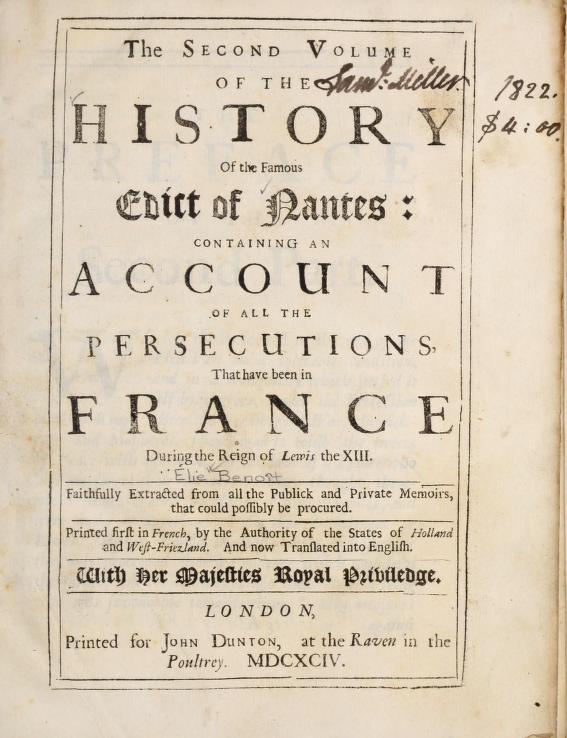
reading cultural memory
This is not a perfect process, but France does takes its memory seriously. The country is blanketed in archives—meticulously kept, deeply thorough, and surprisingly accessible. From national archives down to tiny departmental branches, there’s a quiet but profound belief that what happened, even the small stuff, matters.
France’s approach reflects a cultural commitment to preserving the details, not just the headlines. What was said, who said it, what changed, and what stayed the same.
It’s not just that France preserved what others might have discarded—it's that the country organized it, indexed it, made it searchable. You can fall down a rabbit hole here and find yourself reading 18th-century bakery regulations (I have) or maps of public fountains in towns you’ve never heard of.
To me, that’s beautiful. It tells me that history isn’t just the stuff in textbooks. It’s not a grand, dusty monolith. It’s made up of small, precise gestures—signed forms, forgotten petitions, a scribbled note in the margin.
It’s daily life of normal people, made more important through time. And exploring it has become one of the ways I’ve learned to feel grounded here.
I want someone else to explore this archive!
La Chanson des Archives La Patrouille des Castors 2016
I am not the only fan.
what I love is that someone wrote this song, musicians were gathered and a song and a video was made with possibly endless edits. This has production value and it was made for the Journées du Patrimoine (Heritage Days).
I couldn’t help but think that this is conspicuously Frnch behavior.
After all, our regional thrift store has a Resident Artist and a Resident Poet. While I can’t say much about the poetry, the artist clearly works well with found material.
At least you’ll learn how to pronounce Departmental Archives correctly. That might come in handy for something – and the video features a bit of a mystery solved and a kind of escape scene - from the archives!. It’s fun.
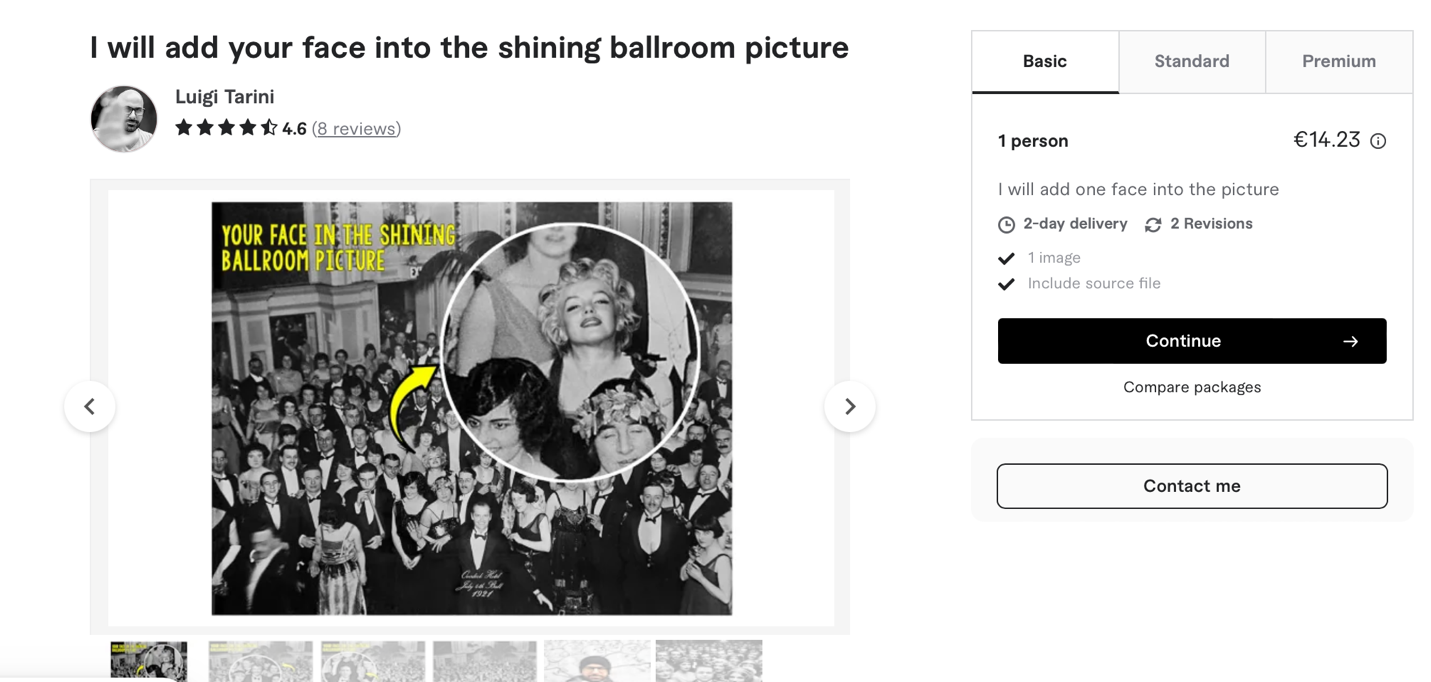
They also buried a The Shining reference at the end, now the archivists themselves have been absorbed into the archive
And if you’re really into The Shining in that way, there’s a guy on Fivrr who will add you to the ballroom picture for under €15!
France, as Mirror and Maze
Culture isn’t fixed. A living culture is naturally dynamic, always has been, and while there are definitely commonalities, that is just a part of it.
It’s not a checklist of traits or habits. It’s a hall of mirrors—a space where ideas bounce off each other, distort, reflect, refract.
Living in France, I sometimes catch glimpses of the U.S. in odd places (I’m looking for it maybe, consciously or not): a turn of phrase, a political echo, a marketing strategy imported wholesale. And sometimes, I see a little of myself reflected back too.
This is what integration really looks like. Not a flawless absorption into a new society, but a slow stitching together of fragments: of memory, language, confusion, beauty, loss.
So, What’s the Point?
If you’ve just moved abroad—or are thinking about it—chances are you’ve had moments of deep disorientation.
Of feeling frustration rise in the back of your mind because you simply cannot sensibly find your way through a supermarket website. Of reading the headlines back home and wondering what universe we’ve landed in.
That feeling is normal.
More than that, it might be a necessary part of changing cultures.
Learning a new place also means holding space for uncertainty. It means not knowing, and still showing up. It means struggling, and talking about it. It means looking for connections to things and not always finding them.
But if my working through these things helps you feel a little more grounded, a little less alone, then that’s reason enough to keep writing.
And if you’ve got questions—about France, about archives, about moving abroad—ask them. Because none of us really know what we’re doing. But we know more than we used to.
And that, at least, is a start
K
*Experiential Data Point – yes, an actual term I use in my head to describe my writing sometimes. There’s a reason I keep it to myself.
** On teacherspeak: would it enhance the cognitive scaffolding of these narrative if I more explicitly embedded educational lexicon to align with constructivist (or behavioralist) paradigms to deepen engagement via a self-referential lens of reflective praxis?
Or should I just dial down the teacher talk?
More on my process of leaving the US
 Finding Home Elsewhere
 Finding Home Elsewhere
 Finding Home Elsewhere