A Visit to the Emergency Room in France
Dealing with Allergies Abroad: My Trip to the Emergency Room in France
I didn’t think a bottle of detergent could land me in the ER, but that’s what happened. Not with a bang, not with a dramatic spill or explosion, but a slow, sneaky suffocation that crept up over a few days. My lungs tightened and I started having trouble breathing so I took a taxi to the emergency room. Of course, I didn’t know that they would come to me.
TL;DR
- A mystery allergy from laundry soap sent me to the ER. That soap is just fine for someone else.
- In France, you’re supposed to call 15—they may send a doctor to you.
- Also: French healthcare is shockingly sane. Real info below.
Confusing soaps landed me in the ER.
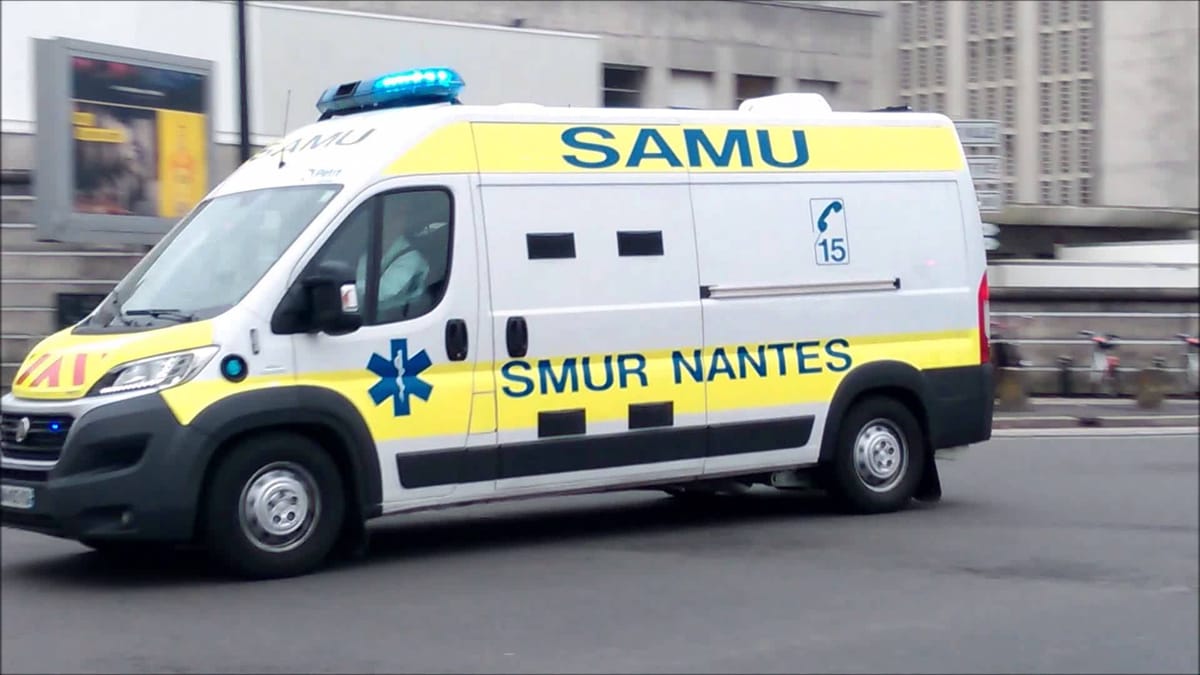
I found myself in the emergency room on a Monday morning, struggling to breathe due to what I thought was Covid or something, only to discover, with the help of SAMU (Services d'Aide Medicale Urgente), that prolonged exposure to an unfamiliar laundry detergent had triggered a severe allergic reaction.
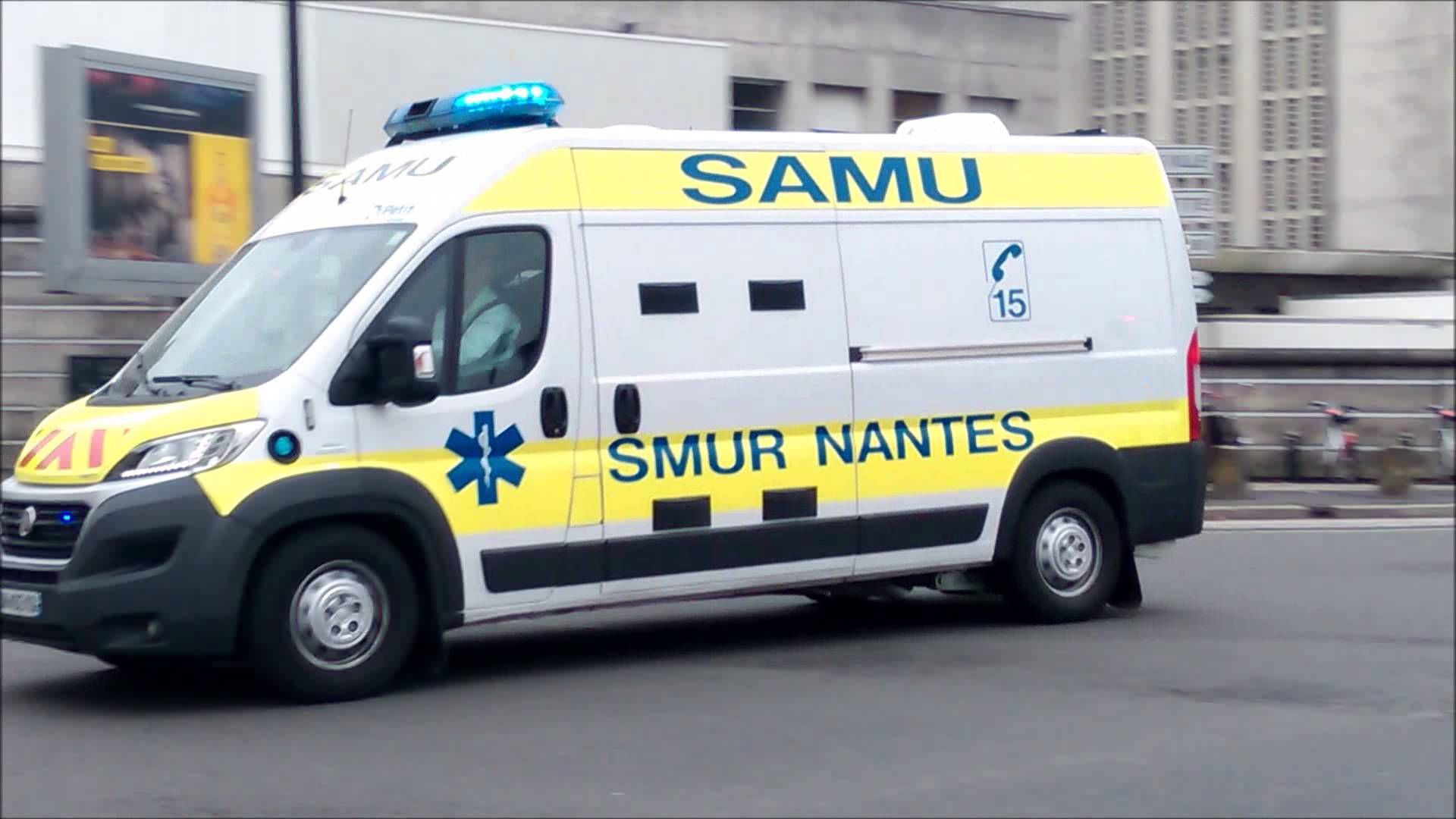
allergies?
I have traveled a lot and, in fact, done laundry in many different countries. Those were often shorter trips, so I guess if there was a problem, I was back home before it became an issue.
Or maybe my body has changed somehow, some new allergies? It happens, I hear.
But in any case, we’re not on vacation in France: we live here now.
This is good stuff, I want more of it.
I’ve dealt with allergies for my entire life, and I am usually good avoiding problem ingredients, but I bought an unfamiliar detergent which exposed me an irritant 24/7. I was wearing clothing and I was sleeping in a bed that were all washed with this detergent.
The laundry was hanging around the apartment and the washing machine was distributing the soap into the air. It was a lot, but it had also been a lot, so that by the time that 3rd laundry day came around, it was clearly too much.
SAMU & Emergency number 15
I searched online to see which hospital near that appeared to have an Urgences – they don’t all have them. At reception, they were happy to check me in, but asked me if I had called “15” first, the medical emergency number in France. If I had, then they would have likely already known what I needed when I got there or I may have even avoided the hospital altogether.
The emergency system works a little differently than what I was used to. You don’t just show up at the ER and hope for the best—or worst.
There’s a whole triage logic built into the structure before you even leave home, which you might not, starting with the number 15. When you call it, you’re connected to SAMU (Service d’Aide Médicale Urgente), which sounds like a robot of some type but is staffed by real humans who assess what kind of help you need.
Sometimes that means an ambulance with a full medical team. But more often, especially for things like allergic reactions, high fevers, or mystery ailments that don’t yet seem fatal, they’ll send an actual doctor to your home.
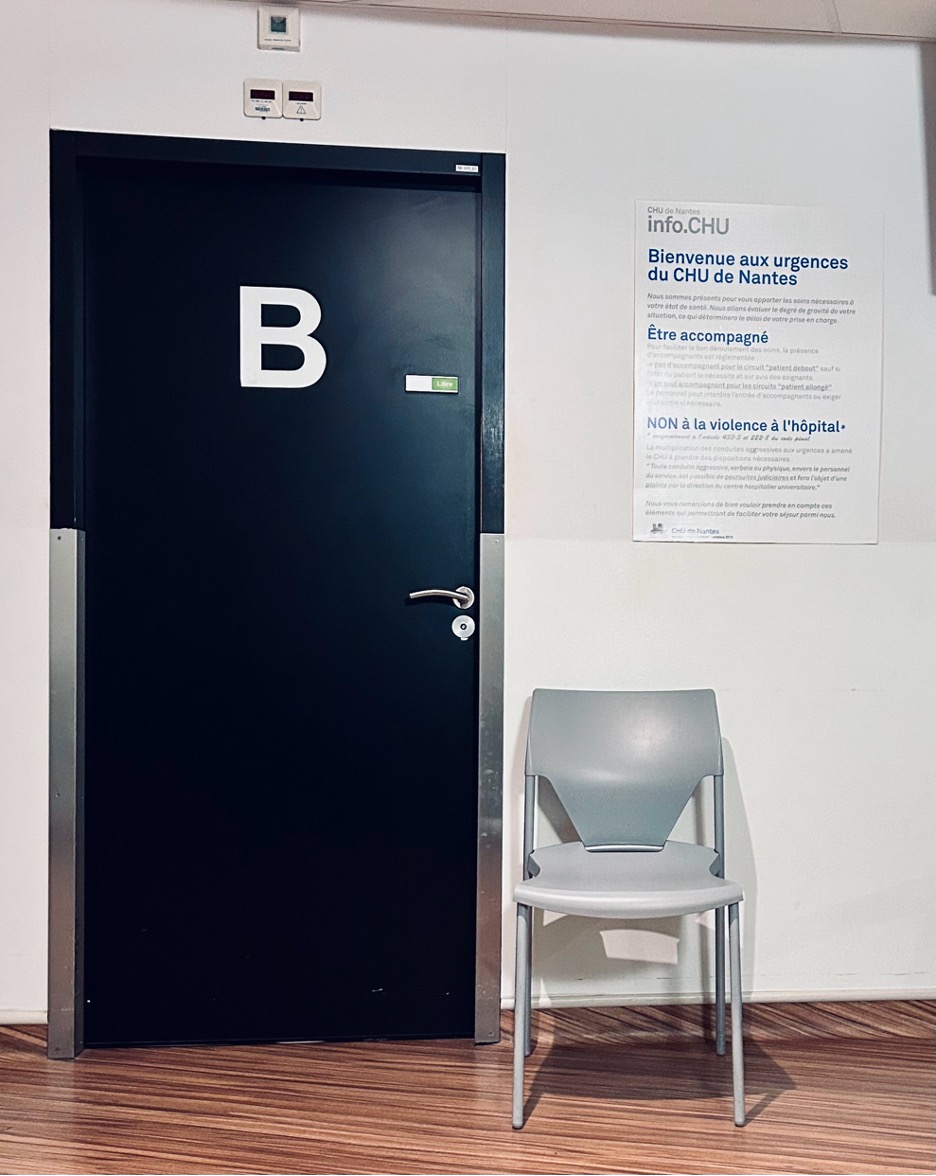
Their doctors make house calls.
I had never considered the possibility of that kind of thing being available, but it does explain everyone’s what the hell are you doing here? kind of approach to me in the ER.
House calls, it seems, are not a concierge service—it’s part of the system.
SOS Médecins was suggested. I’d seen some signs for it, but never thought much abotu it. It’s a nationwide network of doctors who make house calls for urgent but non-hospital situations.
The idea, as I understand it, is to keep emergency rooms from becoming the default for every medical question, which makes sense. Of course, that is exactly what happens in the US all the time.
It’s all rooted in this French belief that healthcare should be responsive but not chaotic, and that going to the ER should be the exception, not the plan. Coming from the U.S., where you either wait a week for a doctor’s appointment or sprint to urgent care and pray your insurance covers it, this felt like both a revelation and a bit of a lesson.
The problem & the product
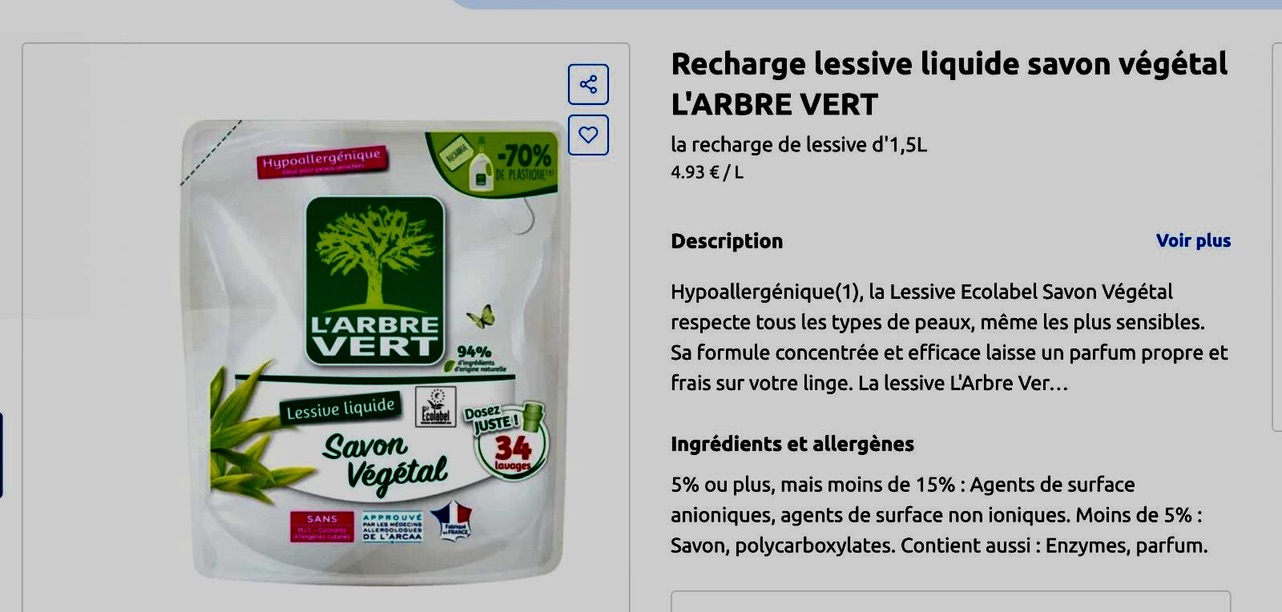
After a bit or research, it seems that the laundry detergent we bought contains ethelyne oxide, which can cause difficulty breathing if people are sensitive.
It seems that I am sensitive.
I also have an allergy to lanolin and so the two of them were working on me at the same time.
Musical Interlude
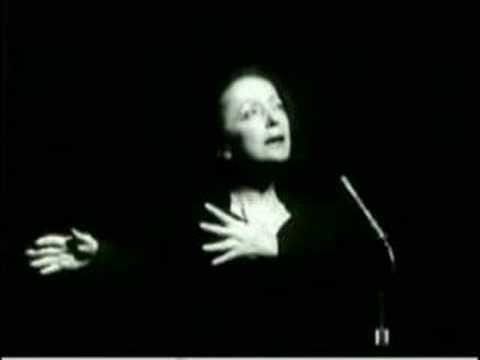
Claude Nougaro - À bout de souffle (1965)
Claude Nougaro’s 1965 track « À bout de souffle » (“out of breath”) is a jazzy, high-energy reinterpretation of Dave Brubeck’s Blue Rondo à la Turk, with French lyrics that capture the jittery rush of life pressed to the breaking point. Just another way in which one artists influenced another…
Nougaro — the Toulouse-born jazz poet — turns Brubeck’s syncopated piano into a vocal tour-de‑force. Urgent, breathless, swinging, thrilling, relentless - and out of breath.
changing ingredients
For some products, companies are able to list ingredients and say they include “natural stuff” without being very specific, such as they can in the United States. “Natural ingredients” can also include lanolin without being specific.
It’s a bit surprising because from what I’ve seen, the French seem to have some high standards for ingredient purity, but maybe some parts of that are changing.
Normally, we buy soaps and detergents that are Castille soap or Marseille soap. Both are used to make great laundry detergents with a simple list of ingredients. For example, the detergent I bought this week is just Marseilles soap, baking powder and water. Really simple. You can find it anywhere here, but there are detergents with harsher chemicals offered at Biocoop, an organic supermarket chain.
This time, I took the time to read all ingredients carefully, using my translation apps to make sure that I was 100% about what I was buying.
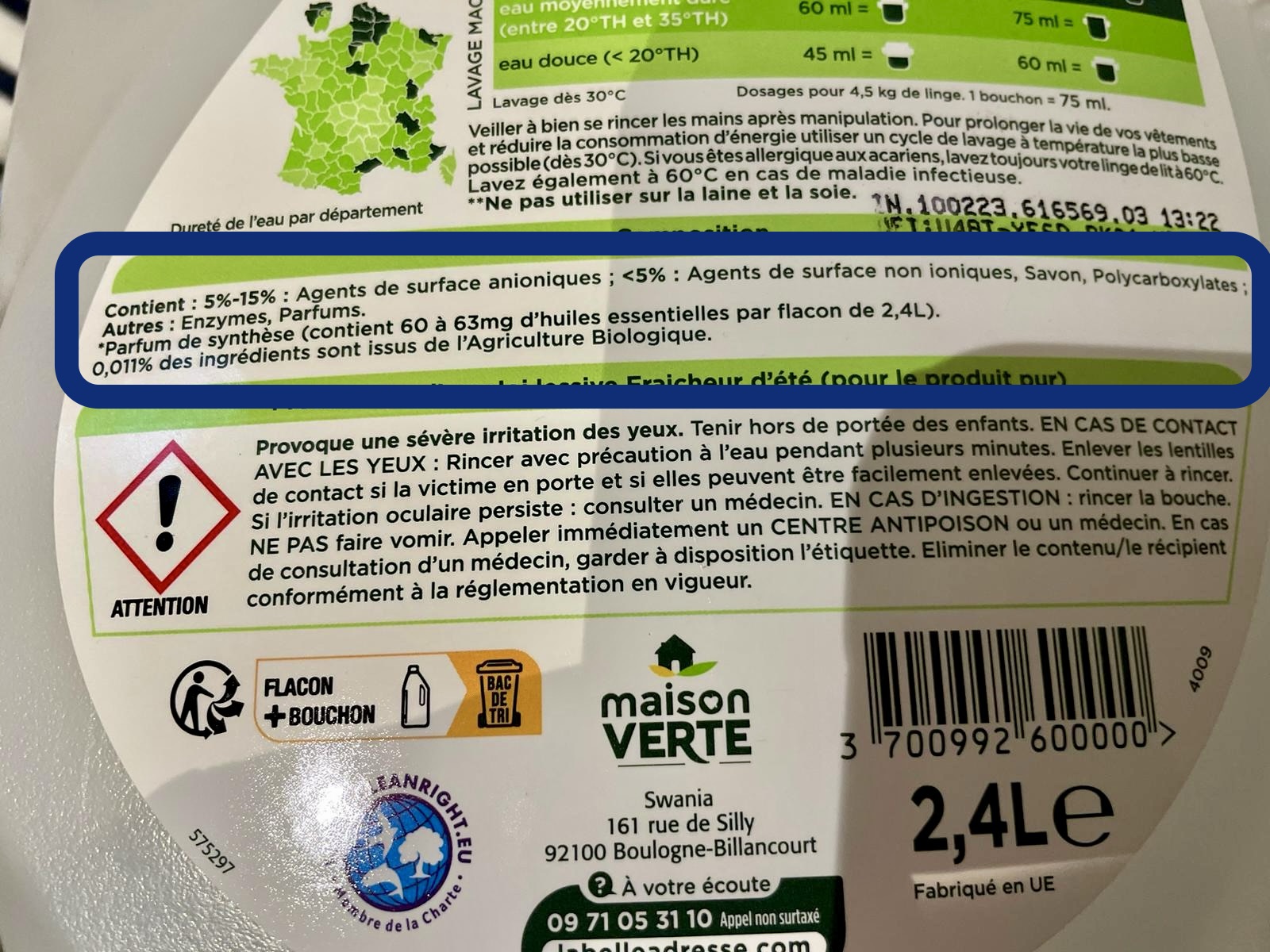
The Emergency Room
Compared to the United States, this was more organized, clean and pleasant. It was also less busy, but I’ll get to that.
I was taken care of and on my way out of the ER within 4 hours as opposed to the all-day affairs typical of my US visits.
To be fair, almost anywhere has to be better than an emergency room in Brooklyn, which took me all days when I went there and was clearly overcrowded and overworked. This was at the hospital in a “good neighborhood,” not one of those used to train the military for treating gunshot wounds.
It was also much cheaper. Behind all of the chaos in US emergency rooms, there is also a pretty scary bill at the end.
My overall cost in France was a €10 cab ride and a €50 ER fee, without insurance, which will be billed to me later and then is likely to be refunded by my insurance.
My mother was once billed nearly $1600 for a 1-mile ambulance ride in New York and when my wife had an allergic reaction, they insisted that she take an ambulance to go down the block, more or less, costing over $500 for the service.
If you’ve ever had a medical close call abroad—or just have strong feelings about laundry detergent—I’d love to hear from you.
Drop a comment, share your own story, or hit subscribe to get unintended life lesson in France delivered to your inbox.
No allergens included.
somebody dial 911!
Or - don’t.
In our first few weeks here, I remember running full speed down the narrow country road after a car flipped in front of the house we were watching.
It had skidded on the gravel, clipped the edge of a ditch, and rolled—landed on its roof somehow and then taken out a power line.
A young woman, maybe in her twenties, crawled out, dazed and bleeding, her phone somehow still in her hand.
As I sprinted toward the wreck and the downed powerlines sparking nearby, I kept saying out loud, like some broken loop, What is the number for 911?—knowing it was wrong, but still saying it—before fumbling through my phone mid-run, fingers shaking, to look up the French emergency number.
It’s 112, by the way. Or 15 for medical. But that day, it wasn’t in my head yet.
Because it’s not 911.
It’s 112.
Good to know when you need it.
The serious bit
The emergency healthcare system encourages individuals to dial the toll-free emergency number 15 in case of a medical emergency rather than directly heading to the hospital.
This number connects you to SAMU (Services d'Aide Medicale Urgente), the national emergency service, which handles serious emergencies by dispatching ambulances and specialized medical teams.
SAMU assesses your situation over the phone and determines the most appropriate response, whether it involves sending an ambulance, an on-duty doctor, or recommending a visit to your own doctor.
For non-emergencies, you can visit the A&E department (urgences) of your local hospital, though you should confirm whether the hospital has A&E services before traveling.
Essential Medical Emergency Guide for France (Bookmark This Part):
key things to know:
Call 15 for any medical emergency. This connects you to SAMU, who will assess and coordinate help. They may send an ambulance, a doctor to your home, or direct you elsewhere.
For non-life-threatening urgent care, contact SOS Médecins (sosmedecins.fr). They operate 24/7 in most major cities and send GPs directly to you.
Don’t go straight to the ER (Urgences) unless it’s a serious emergency. Not all hospitals have ERs—check online first, unless somehow the nature of your emergency will not allow you to do that.
Pharmacies are often your first line of defense. Pharmacists here are highly trained and can offer solid guidance, sometimes even prescribing minor medications.
Have these numbers saved:
SAMU (medical emergency): 15
Fire brigade (also for accidents): 18
European emergency number (works EU-wide): 112
SOS Médecins: varies by region—look up your local number now.
Bonus tip: Keep a small card in your wallet or phone with allergies, medications, and your French social security number (or private insurance info if applicable). You’ll thank yourself later.