A French Approach to Leftovers: Tiny Fridges to Gourmet Bags
Cheesy French leftover recipes and tackling food waste with a touch of elegance

Yesterday was Thanksgiving in the US & so I am thinking of leftovers today.
Leftovers may not scream sophistication, but France has its ways of solving what to do with extra food. The country is known for its food traditions, but a key part of this lies in something more humble. Turning stale baguettes into custardy pain perdu or crafting golden gratins from extra vegetables and meats, the approach to leftovers is simple yet effective - and often with plenty of cheese.
On ne jette rien
“We throw nothing away,” or at least that’s the idea on paper.
A stale baguette might become pain perdu (“lost bread”), the French version of French toast, which is not called “toast,” which is pain grillé. Pain perdu is a rich, custard-soaked treat that turns yesterday’s old bread into today’s dessert or breakfast. Similarly, a gratin—a baked dish with breadcrumbs and cheese - repurposes any leftover you might have. A gratin is basically a casserole in the US; a casserole in France is a dish you cook a gratin in.
French cuisine is filled with solutions like this. A chunk of old cheese? Melt it into a soupe à l’oignon. A few spoonfuls of wine? Reduce it into a pan sauce. Leftover chicken? Poulet à la moutarde - which also might work well for turkey. It seems that the French have a tremendous number of food solutions like this, but the short version seems to be:
- take whatever you have lying around
- cover it in cheese or cream
- cook it again.

Recipe: Gratin de Restes (Leftovers Casserole)
With enough cheese, anything is possible.
Serves 4-6
Ingredients:
- 2 cups of cooked vegetables (e.g., broccoli, potatoes, carrots, whatever)
- 1 cup of cooked meat or fish (fish can be weird)
- 1 cup grated cheese: Gruyère or Comté for a French version, but cheddar, Swiss cheese (which is Gruyère), Monteray Jack, etc., will do.
- 1 cup cream or milk
- 2 eggs
- Salt, pepper, and nutmeg to taste
- 1/2 cup breadcrumbs (seasoned or unseasoned)
- If in doubt, add more cheese.
Instructions:
- Preheat oven to 180°C (350°F).
- In a bowl, whisk together the cream, eggs, salt, pepper, and a pinch of nutmeg.
- Layer vegetables and meat in a buttered baking dish. Pour egg mixture over it.
- Sprinkle cheese and breadcrumbs generously.
- Bake for 25–30 minutes, or until golden and bubbling.
Tiny Fridges, Frequent Shopping
Many kitchens here are equipped with refrigerators that Americans might only see in dorm rooms. For some, shopping happens almost daily.
Small-fridge lifestyle encourages more intentional eating, with meals planned to use just the right amount of food and minimize waste. Leftovers, when they occur, might be transformed into something new: again, often with cheese as the unifying ingredient.
Massive refrigerators, known as the frigo américain—a large, double-door appliance—do exist here, are rare but much less so than they used to be. This appliance reflects a quiet yet notable shift, as traditional ideas about food waste increasingly collide with modern lifestyles.
Leftovers & Gourmet Bags
The doggy bag has long struggled to find acceptance in France, where customers might hesitate to ask for leftovers due to fears of appearing stingy or to somehow risk offending the chef. Bringing leftovers home has been rare, but that’s changing too.
Since 2021, the anti-waste law (Loi anti-gaspillage) requires restaurants to provide containers—gourmet bags—upon request, trying to add a touch of elegance, at least in the name, to what was once considered awkward.
I’ve yet to see anyone actually carry one out.
Food waste is a major issue here. In 2021, France wasted an estimated 10 million tons of food, about 330 lbs per person. By comparison, in the U.S., it averages 133 billion lbs (60M tons), or roughly 880 lbs per person. Whether France’s anti-waste law will reduce these numbers remains to be seen.
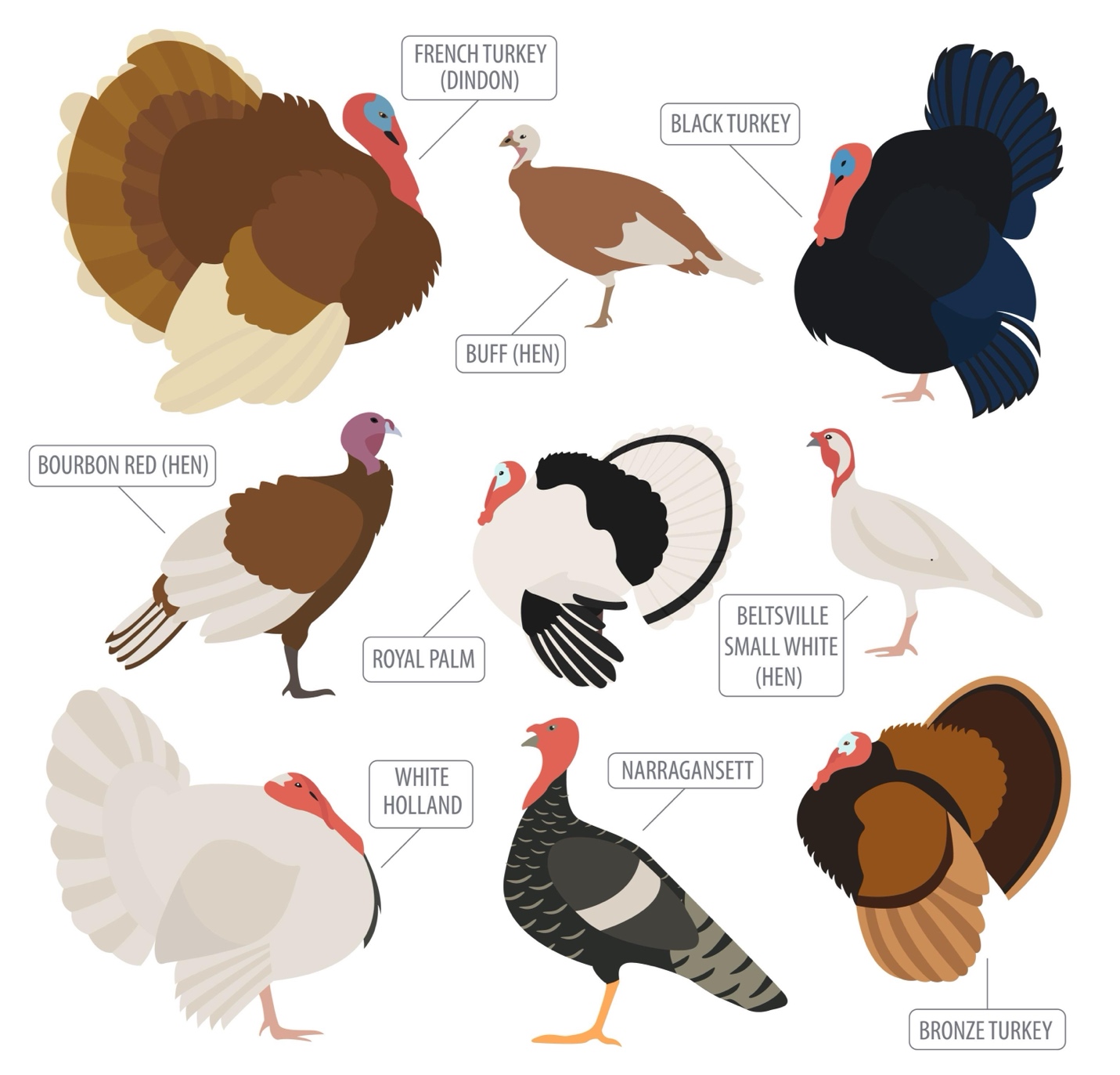
Talking turkey
The French consume more turkey than any other country in Europe, averaging 3.3kg per person annually. While modest compared to the US, with over 7 kilograms per person, a lot of it around Thanksgiving, Israel leads the world by eating 30 pounds per person annually.
In France, most turkey is eaten around Christmas: roasted turkey with chestnuts is a holiday favorite. But French turkeys are much smaller than the 20-pound birds often seen on American tables, typically at 7–9lb. Chicken is always popular and several French varieties may be as big as turkeys – or larger.
In both French and English., the bird’s name reflects old confusions. In the 16th century, Europeans had it confused with the guinea fowl, a bird imported via Turkey by Ottoman merchants that called it the “Turkey bird.”
When Spanish explorers then brought the wild turkey from North America, the name “turkey” stuck among anglophones. It gained the French name dinde (from poule d’Inde, or “chicken from India”), from the belief that the Americas were part of India.